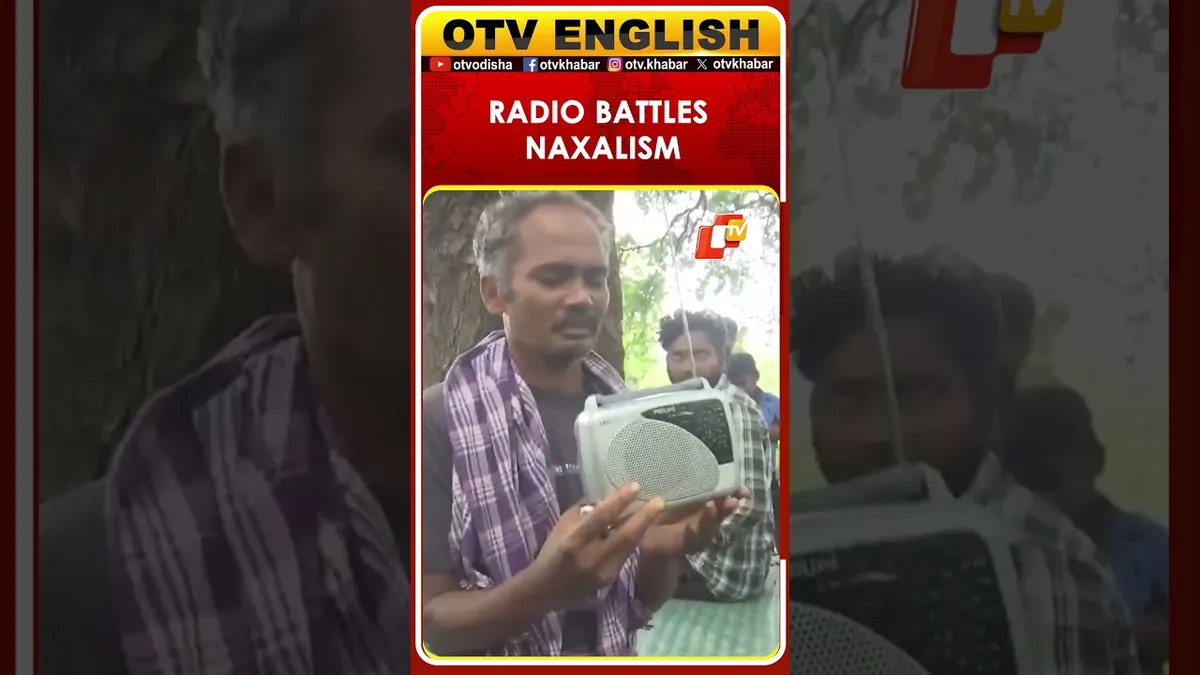
Officials and community broadcasters across Chhattisgarh have tapped a simple technology to confront a complex problem. Radio broadcasts are being used to reach remote villages, challenge insurgent narratives and provide residents with vital information about safety, government schemes and local services.
How radio against Naxalism is being used in Chhattisgarh
Community radio stations, portable transmitters and local FM programming are reaching areas where mobile networks and television reception are unreliable. Broadcasters produce programmes in local dialects and focus on practical needs: early warning about security operations, weather advisories, agricultural tips and details of welfare entitlements. By delivering this content through familiar voices and languages, stations offer an alternative to the propaganda that can take hold in isolated communities.
Proponents say the combination of information, dialogue and trust-building matters. Interactive phone-in shows let villagers ask questions directly, raise grievances and receive immediate responses from officials or service providers. That two-way flow reduces the sense of isolation that insurgent groups exploit. In many places, simple broadcasts about government health drives, seed distribution or school enrolment have produced measurable increases in uptake.

Local journalists and community leaders describe radio as both practical and adaptable. Battery-operated receivers and solar-powered kits allow households in forested belts to stay tuned even during power outages. Mobile units can be driven into areas to broadcast urgent announcements or to support civic events. For local administrations, partnering with community stations offers a low-cost channel to amplify official messages while also listening to local concerns.
Security officials caution that radio is one tool among many. Its effectiveness depends on credible content, editorial independence and sustained engagement. Where programming is seen as purely government propaganda it risks losing trust. Successful initiatives therefore tend to blend public information with cultural programming, local music and stories that reflect everyday life. That blend helps keep audiences tuned in and receptive to critical messages about safety and development.
Community broadcasters report that consistent rhythms of programming help. Regular segments on livelihoods, legal rights, health and education normalise access to public services. Special features that highlight reconciliation, rehabilitation and opportunities for former combatants can open space for reintegration, provided such efforts are accompanied by tangible support on the ground.
Observers note the strategic advantage of radio in rugged terrain. Where internet penetration remains low, audio transmission needs minimal infrastructure and can be received on inexpensive devices. For policymakers looking to widen the reach of essential services and tackle the drivers of unrest, radio offers an amplifying effect at modest cost.
As Chhattisgarh authorities and civil society continue to refine these approaches, the focus remains on producing trustworthy, locally relevant content and maintaining open channels for feedback. That combination, advocates say, strengthens social bonds and reduces the space in which insurgent narratives can flourish.
Key Takeaways:
- Community and government radio broadcasts provide local news, safety information and development updates to remote areas.
- Radio against Naxalism helps counter insurgent propaganda by offering trusted, locally relevant programming.
- Interactive shows and phone-in segments build trust and create channels for grievance redress and civic engagement.
- Simple, low-cost technology reaches forested regions where internet and TV rarely connect, supporting security and social cohesion.