











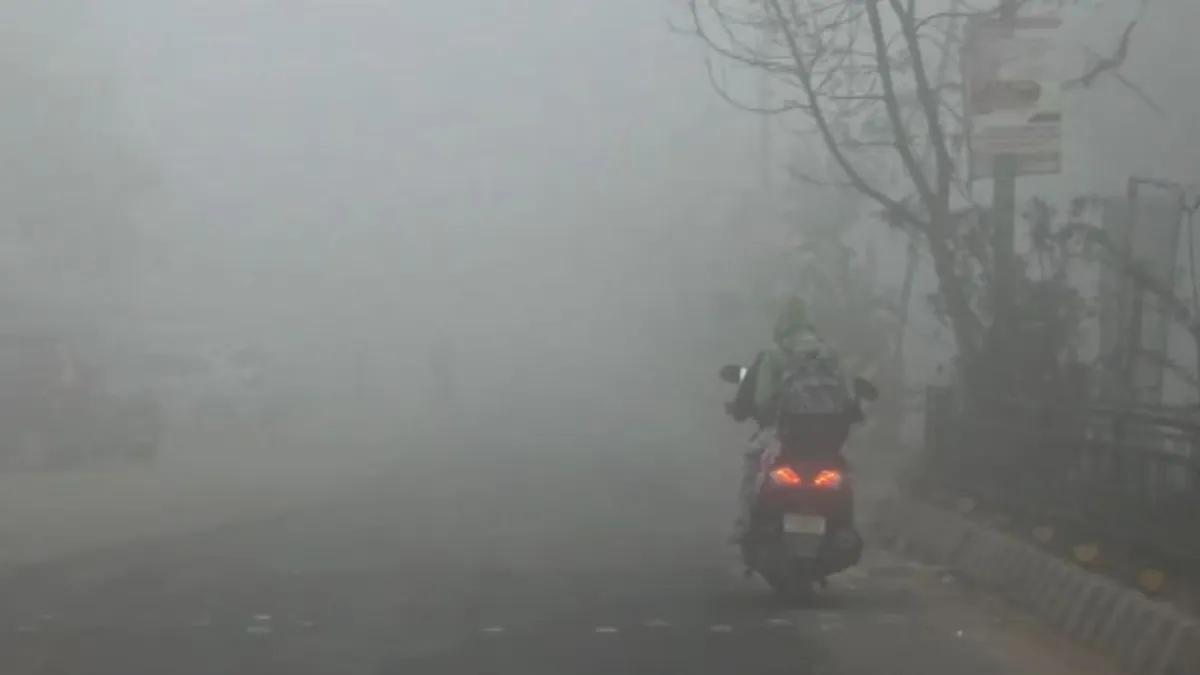
An intense cold wave continues to grip Odisha, bringing sharply lower night-time temperatures and widespread dense fog that has disrupted daily life across the state. From the highlands to the coast, residents and authorities are contending with prolonged chill and limited visibility as the India Meteorological Department (IMD) warns the pattern will persist for several more days.
Odisha cold wave affects interior and coastal districts
Interior districts such as Kandhamal, Koraput, Sundargarh, Keonjhar and Mayurbhanj have borne the brunt of the cold, with many rural and remote pockets recording significantly below-normal minima. Phulbani logged temperatures below 6°C and Jharsuguda recorded 6.2°C, while at least 15 cities across the state reported night-time lows under 10°C. The chill tends to set in after sunset and remains most severe from midnight until early morning, making overnight conditions especially harsh.
Coastal areas, including the twin cities of Cuttack and Bhubaneswar, have not been immune. Daytime maximums along the coast are expected to hover around 25°C, but night temperatures may drop to between 12°C and 14°C, prolonging discomfort for residents and commuters.

Warnings, visibility concerns and public impact
The Regional Meteorological Centre in Bhubaneswar has forecast that these conditions are likely to persist until 4 January. Meanwhile, a yellow warning for dense fog is in force until 2 January for several districts including Sundargarh, Mayurbhanj, Balasore, Bhadrak, Jajpur, Cuttack, Jagatsinghpur, Kendrapara, Puri, Khordha, Kandhamal and Nayagarh.
Dense fog has routinely reduced visibility on many arterial routes and inside urban areas such as Bhubaneswar. Motorists have been forced to use headlights and tail-lights during early-morning hours, slowing traffic and increasing journey times. Local authorities have advised road users to drive cautiously, maintain safe following distances, and avoid unnecessary travel during peak fog periods.
Public services and daily routines have been affected. In colder interior zones, residents cited difficulty in heating homes and safeguarding vulnerable family members. Health officials have warned that prolonged exposure to low temperatures can aggravate respiratory and circulatory conditions, urging those at risk to take precautions and seek medical help if needed.
The IMD and state agencies are monitoring the situation and issuing advisories. Citizens have been asked to stay informed through official channels and to check local forecasts for updated warnings. Relief and emergency teams in the most affected districts remain on alert to respond to weather-related incidents.
As the state prepares for a continued spell of low temperatures and poor visibility, authorities are balancing routine services with targeted measures to protect vulnerable communities and keep transport networks moving safely. Residents are encouraged to follow safety guidance, limit travel during intense fog, and look out for neighbours who may need assistance during the cold spell.
Key Takeaways:
- Odisha is experiencing an intense cold wave with temperatures well below normal across interior and coastal districts.
- Phulbani and Jharsuguda recorded some of the lowest minima, while daytime highs on the coast remain around 25°C.
- The Bhubaneswar Met Centre has issued yellow warnings for dense fog in several districts until 2 January; cold conditions are likely to continue till 4 January.
- Dense fog has reduced visibility, hampering road movement and forcing motorists to use lights during early hours.








