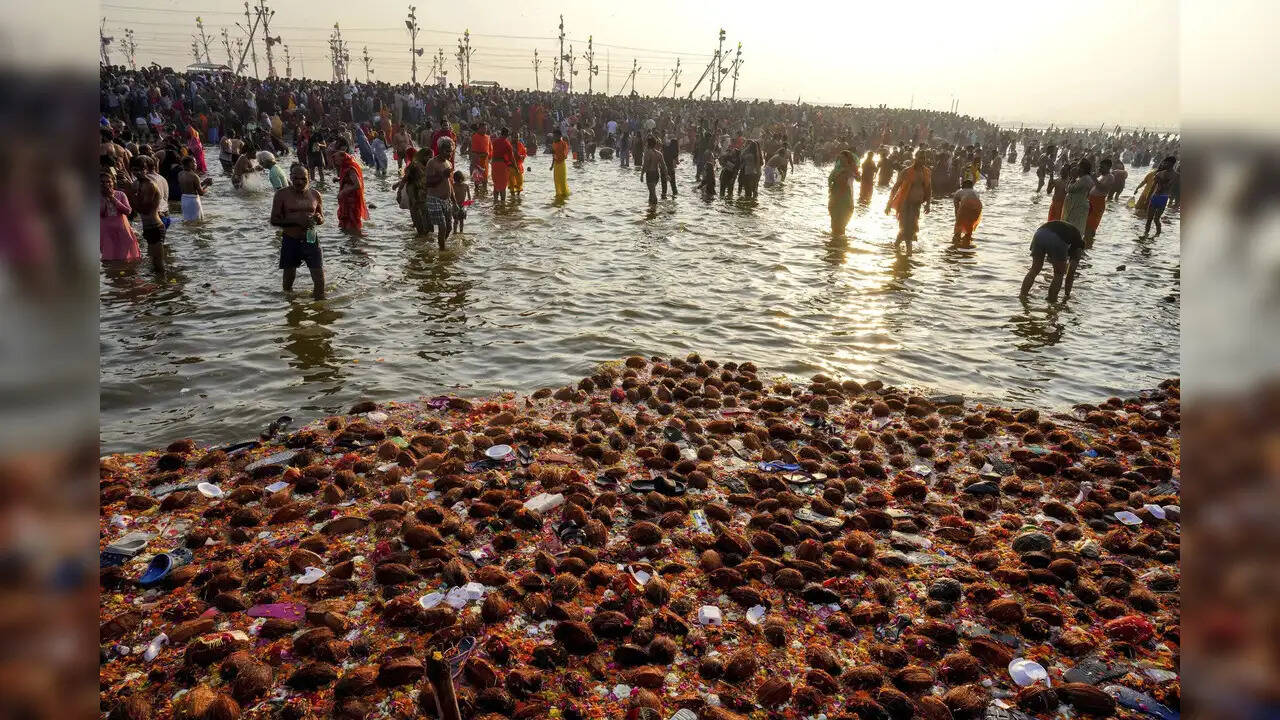
Magh Mela 2026 Prayagraj will bring millions of pilgrims to the Triveni Sangam for more than a month of ritual bathing, prayer and religious observance. The festival begins on Paush Purnima, 3 January 2026, and concludes on 15 February with Maha Shivratri. For many devotees, a dip in the confluence of the Ganga, Yamuna and the unseen Saraswati is believed to wash away sins and offer spiritual renewal.
Magh Mela 2026 Prayagraj: dates and key bathing days
The Magh Mela runs continuously through the month of Magh, but six days are regarded as especially auspicious for taking the holy snan (bath). Pilgrims planning travel and rituals should note the principal dates: Paush Purnima on 3 January; Makar Sankranti on 14 January; Mauni Amavasya, the main snan, on 18 January; Basant Panchami on 23 January; Magh Purnima on 1 February; and the concluding Maha Shivratri snan on 15 February. Mauni Amavasya traditionally draws the largest assemblies of sadhus and lay devotees.
The city of Prayagraj prepares to receive vastly increased numbers on these days, with local authorities and mela organisers coordinating sanitation, medical services and crowd control to ensure safe access to the riverbank. Pilgrims often plan their journeys around the auspicious snan dates to partake in the spiritually significant dips.

Beyond the bathing rituals, Magh Mela 2026 Prayagraj is also a focus for religious discourse and the visible traditions of ascetic orders. Processions by naga sadhus and akharas provide some of the most striking spectacles of the mela, drawing observers and scholars as well as the faithful.
Kalpavas and the discipline of the mela
Kalpavas is a respected practice observed by many who attend the Magh Mela. Devotees undertaking Kalpavas set up modest tents along the riverbank and remain there for the entire month of Magh. Their routine is austere: daily bathing in the Ganga, simple meals or fasting, meditation, chanting and repeated prayers. Kalpavas typically begins around Paush Purnima or Makar Sankranti and continues until Magh Purnima or Maha Shivratri.
For practitioners, the month is a period of renunciation and intense devotion. The discipline of Kalpavas is regarded as a test of faith and an opportunity to withdraw from worldly concerns. Many devotees believe the regimen amplifies the spiritual benefits of the holy dips taken at the Sangam.
Practical considerations for visitors
Authorities advise pilgrims to plan ahead. Accommodation near the mela can fill quickly on auspicious dates, and travel services may introduce special trains and buses to handle peak demand. Health facilities and first aid stations are typically established at the mela site, and devotees are urged to follow safety instructions issued by officials and the various akharas.
While the Magh Mela is foremost a religious occasion, it also has a sizeable cultural and economic impact on Prayagraj and the surrounding region. Local vendors, transport operators and hospitality providers all see heightened activity during the festival, which remains an enduring feature of India’s religious calendar.
As Magh Mela 2026 Prayagraj approaches, organisers and pilgrims alike prepare for a month of devotion, ritual and communal observance at one of Hinduism’s most revered river sites.
Key Takeaways:
- Magh Mela 2026 Prayagraj runs from Paush Purnima on 3 January to Maha Shivratri on 15 February.
- Six auspicious snan dates draw the largest crowds, led by Mauni Amavasya on 18 January.
- Kalpavas devotees live on the riverbank for the month, following strict routines of daily bathing, chanting and simple living.