











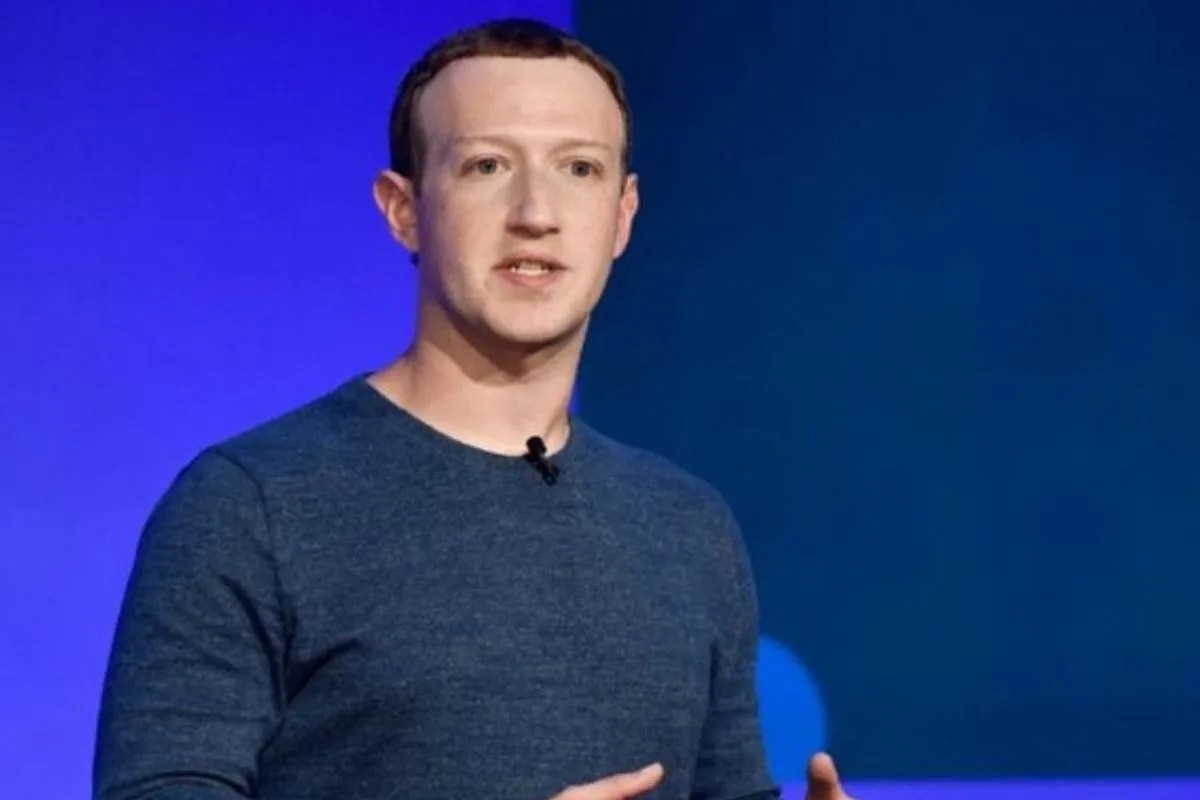
Economist Dean Baker has sharply criticised Meta’s multi-billion-dollar investment in the metaverse, arguing that the company’s outlay of about $77 billion has yet to produce clear economic benefits. Writing in a newspaper piece referenced by the Times of India, Baker questioned whether such an enormous sum was effectively wasted, saying the spending could be seen as throwing money away rather than producing returns for the wider economy.
Meta metaverse investment under scrutiny
Baker’s comments have reignited a broader discussion about the risks and rewards of heavy corporate investment in nascent technologies. He noted that Meta’s chief executive, Mark Zuckerberg, has steered the company towards an ambitious metaverse strategy that required large-scale capital commitments. Critics argue that the financial returns remain speculative while the opportunity cost—in terms of alternative investments and broader economic uses of capital—has not been adequately considered.
To put the scale in perspective, the $77 billion figure cited by Baker translates roughly to ₹6,40,000 crore. Such a sum prompts questions about corporate governance and the responsibility of large technology firms to justify major strategic shifts to shareholders, employees and the public. Baker warned that when a company of Meta’s size invests heavily in a project without demonstrable returns, the effects ripple beyond the firm and can influence investment sentiment across markets.

Analysts say the metaverse remains an experimental area of the technology sector. While proponents point to potential breakthroughs in virtual collaboration, entertainment and commerce, sceptics emphasise the uncertain timeline and unproven business models. Baker’s criticism focuses less on the technology itself and more on whether deploying such vast resources now is prudent, given competing demands for productive investment in areas that may offer clearer short- and medium-term returns.
Investors and regulators are watching how Meta reports on progress and expenditure. The company has defended its long-term vision, arguing that early investment is necessary to build foundational technologies and immersive platforms. Yet Baker’s intervention highlights the need for clearer metrics and accountability. If capital is allocated without transparent milestones and measurable outcomes, stakeholders may question the rationale behind those strategic choices.
In India, the conversation gained traction because of the local economic context and the way media framed Baker’s remarks. Commentators noted that large global investments by major technology firms can have indirect effects on domestic markets, from investor appetite to labour allocation in the tech sector. The debate has also prompted calls for stronger corporate disclosure and more rigorous cost-benefit assessments of high-risk technology bets.
Ultimately, Baker’s critique serves as a reminder that technological ambition must be balanced with fiscal prudence. For policymakers and market participants alike, the questions now centre on how to ensure that capital is directed towards projects that deliver demonstrable value, and how companies can better justify costly strategic pivots to a range of stakeholders.
As the metaverse develops, the debate initiated by Baker is likely to continue. Meta and other tech giants will face growing demands for transparency on how funds are spent and what concrete benefits emerge from their investments. For observers, the core issue remains whether early, large-scale investment translates into meaningful economic and social gains, or whether those resources could have yielded better outcomes elsewhere.
Key Takeaways:
- Economist Dean Baker criticises Meta’s $77 billion metaverse investment, calling its economic payoff unclear.
- The spending, equivalent to roughly ₹6,40,000 crore, raises concerns about misallocated capital and wider economic effects.
- Debate centres on corporate strategy, investor impact and whether such large tech bets deliver measurable public economic benefits.








