











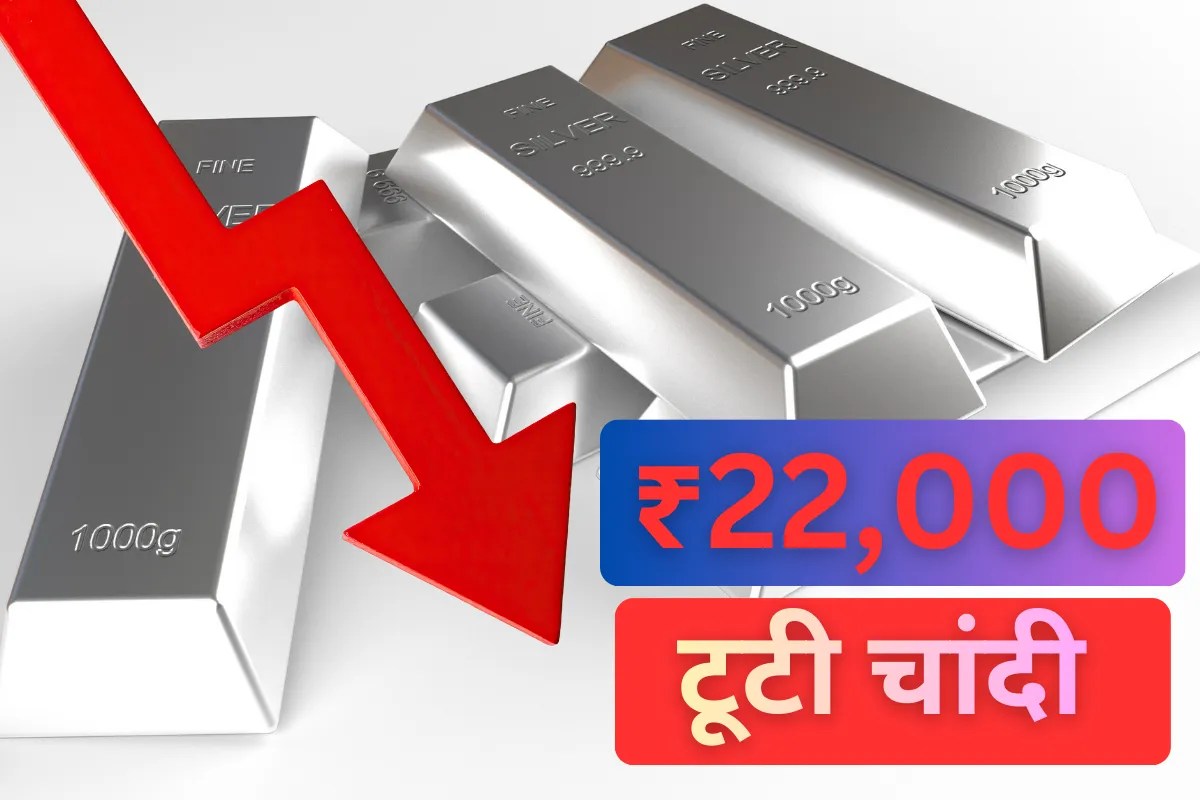
Precious metals closed the year on a weak note as silver tumbled and gold eased on the final trading day of 2025. Silver fell sharply over the last three sessions, shedding approximately ₹22,000 per kilogram, with an intraday drop of about ₹18,700 observed on the final day. Gold retreated by close to ₹5,000 as investors adjusted positions ahead of the holiday period.
Gold and Silver Prices India
The fall in gold and silver prices in India reflects a mix of local and international factors. On the domestic front, traders cited profit-booking after recent rallies and subdued physical demand as buyers stayed on the sidelines at year-end. Globally, mixed economic signals and a softer demand outlook for safe-haven assets contributed to downward pressure on bullion.
Market participants said silver’s recent volatility was particularly pronounced. After a sharp run-up earlier in the month, the metal experienced rapid reversals, leaving short-term positions exposed. In addition to profit-taking, some dealers pointed to thin trade volumes as a reason why intraday swings were amplified during the last sessions of the year.

Gold’s fallback, while less dramatic, followed a similar pattern. Investors trimmed holdings to lock in gains and manage portfolio risk. With many institutional desks and retail outlets operating reduced hours for the holidays, liquidity constraints made it easier for modest selling pressure to trigger larger-than-normal price moves.
Analysts highlighted a few key indicators to watch in the coming days. Global macroeconomic announcements, including US data on inflation and employment, can alter expectations for interest rates and, by extension, bullion demand. The dollar’s direction remains a notable influence; a firmer dollar typically weighs on gold and silver prices quoted in local currency.
Local factors will also matter. Demand from Indian jewellers and the festive and wedding season pipeline normally support physical buying, but subdued consumer sentiment later in the year appeared to moderate purchases. Import duties, taxes and logistical considerations can change short-term supply dynamics, affecting price movements in domestic markets.
Looking ahead, traders expect a cautious reopening of activity in early January. If global data point to easing inflationary pressures or slower growth, safe-haven demand could rebound and provide support to bullion. Conversely, renewed strength in equities or the dollar could keep gold and silver under pressure.
For investors and consumers, the immediate implication is greater short-term volatility. Those considering purchases are advised to monitor both international markets and local supply-demand cues. Longer-term investors typically view gold and silver as hedges against inflation and currency risk, but timing remains important when markets are this unsettled.
As the new year begins, price watchers will be watching for clearer directional signals. Early trading days, alongside scheduled economic releases, will be crucial in determining whether the year-end slide stabilises or resumes.
Key Takeaways:
- Gold and Silver Prices India fell sharply on the last trading day of 2025, with silver losing around ₹22,000 over three days and intraday declines near ₹18,700 per kg.
- Gold also eased, slipping roughly ₹5,000 as investors reassessed risk and liquidity ahead of year-end.
- Analysts point to profit-booking, weak local demand and global cues as drivers; traders will watch global bullion trends and domestic economic data in early January.








