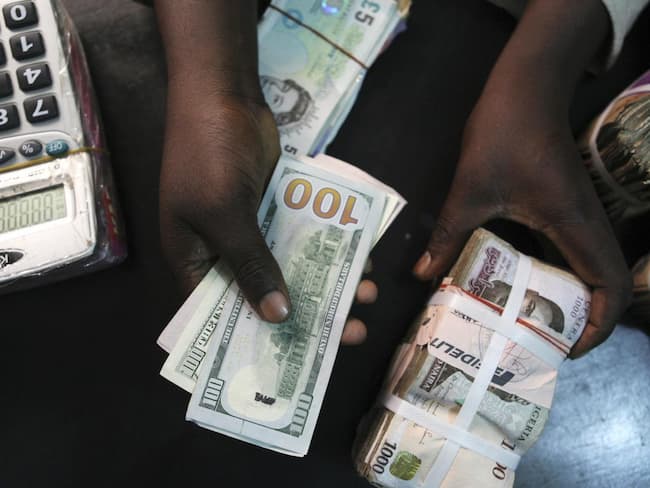
Market participants and consumers seeking the latest dollar to naira exchange rate for 30 December 2025 are advised to consult official windows and reputable market sources before transacting. FX conditions have remained responsive to monetary policy cues, external receipts and investor appetite as the year draws to a close.
Dollar to Naira exchange rate market context and where to check
There are several quotes to consider when monitoring the dollar to naira exchange rate. The Central Bank and authorised banks publish rates for official windows, which typically reflect policy-determined liquidity and intervention. Parallel market rates, often more volatile, respond rapidly to demand-supply imbalances and expectations about future policy. Meanwhile, the investors’ FX window and electronic platforms provide indicative mid-market prices that many corporates use for budgeting and hedging.
For consumers, the immediate concern is the rate they will receive when buying or selling foreign currency. Banks and licensed bureaux de change will display customer-facing rates, while online remittance services may offer alternative pricing that includes fees. Business treasuries should compare quotes across official windows, trade platforms and authorised dealers to secure the most competitive terms.

Drivers behind recent exchange rate moves
The dollar to naira exchange rate has been shaped by several factors through 2025. Oil export receipts remain central to external inflows and therefore to foreign-exchange availability. Fluctuations in global crude prices directly influence government revenues and the central bank’s ability to intervene. Equally important are portfolio flows: sovereign and corporate bond issuance, foreign investor sentiment and the comparative yield on local instruments.
Domestic monetary policy and liquidity management also play a role. Interest-rate decisions affect capital flows and demand for foreign currency, while measures to shore up the banking system influence onshore liquidity. Policy announcements and guidance from the central bank can cause immediate reactions across both official and parallel markets.
What the rates mean for households and businesses
A weaker naira raises the local cost of imported goods and can feed into inflationary pressure. Households may notice higher prices for fuel, imported food items and electronics. Businesses that rely on imported inputs should assess the impact on margins and consider pricing adjustments or sourcing alternatives.
Exporters, by contrast, can gain competitive advantage when the naira depreciates, provided they can convert foreign receipts efficiently. Firms with foreign-currency liabilities need to review hedging options to limit balance-sheet volatility. Year-end is a critical time to reconcile FX exposures, settle obligations and lock in favourable rates where possible.
How to stay informed
For accurate pricing on 30 December 2025, consult the Central Bank of Nigeria’s published rates, bank and bureau de change quotations, and recognised financial news platforms such as BizWatchNigeria. Use multiple sources to cross-check rates and factor in transaction fees when comparing offers. For sizeable operations, engaging a treasury advisor or authorised dealer will help manage execution risk.
As markets enter the new year, attention will remain on external receipts, policy direction and global risk appetite. Keeping abreast of these developments will help households and businesses make informed decisions when dealing with the dollar to naira exchange rate.
Key Takeaways:
- Dollar to Naira exchange rate updates for 30 December 2025 and where to check official and parallel market quotes.
- Factors driving currency moves, including central bank policy, oil receipts and foreign portfolio flows.
- Practical guidance for businesses and individuals on managing FX exposure at year end.