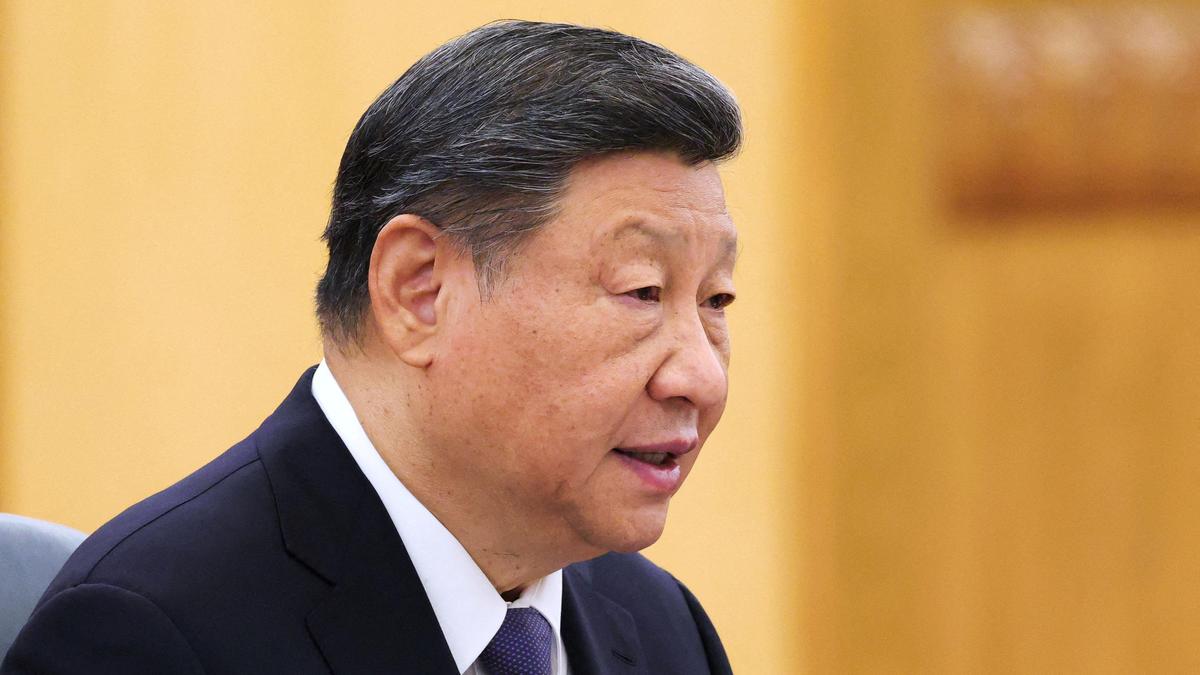
Chinese President Xi Jinping has signalled a stronger policy push in 2026 to support longer term growth and social stability, saying the economy showed resilience and was on track to meet Beijing’s growth target this year.
China proactive macro policies 2026
Speaking at a New Year’s tea party with senior Communist Party officials on 31 December 2025, Mr Xi said China’s economy was expected to reach about 140 trillion yuan in 2025. He reiterated that Beijing would adopt more proactive macro policies next year to promote effective qualitative improvement alongside reasonable quantitative growth.
The announcement follows a year in which growth momentum waned towards the year end, hindered by soft household consumption, persistent deflationary pressure and a prolonged crisis in the property sector. Despite those headwinds, the government continues to forecast around 5 per cent growth for 2025.

Officials have already signalled practical steps to support demand and investment. The central government has allocated 62.5 billion yuan from special treasury bond proceeds to local authorities to fund a consumer goods trade in programme in 2026. The initiative is designed to spur household demand by encouraging replacement of durable goods and stimulating retail sales.
In addition, China’s state planner released early investment plans for 2026 that include two major construction projects. Those projects will draw roughly 295 billion yuan in central budget funding, part of a wider effort to lift investment and provide a counterweight to weak private demand.
Economists say the mix of demand-side measures and targeted public investment reflects a pragmatic approach. Rather than relying on broad credit expansion, Beijing appears to favour targeted fiscal support to shore up incomes, back consumption and catalyse private spending where possible.
Policy priorities announced by Mr Xi place clear emphasis on maintaining social harmony and stability while driving higher quality growth. Measures to boost household incomes and support consumption are likely to feature prominently across fiscal and local government initiatives next year.
Risks remain, however. The property sector’s continued strain and low consumer confidence could temper the impact of government programmes, and deflationary trends complicate the policy mix. Observers will watch closely how Beijing balances support for short term demand with longer term structural reforms aimed at boosting productivity and domestic consumption.
For the broader BRICS grouping, China’s intention to support steady growth carries constructive implications. A more stable Chinese economy can help sustain regional trade flows, investment and demand for commodities, which in turn benefits trading partners across the alliance.
Looking ahead to 2026, market participants will monitor the timing and scale of fiscal measures, the effectiveness of the consumer trade in programme, and the implementation of the planned infrastructure projects. If Beijing’s targeted measures succeed in restoring momentum, they could lay the groundwork for a steadier expansion in the years that follow.
Key Takeaways:
- Xi Jinping says China will adopt more proactive macro policies in 2026 to sustain growth and stability.
- China proactive macro policies 2026 include consumer support and major state-backed investment plans totalling hundreds of billions of yuan.
- Beijing expects around 5% growth in 2025 despite weak consumption, deflation and a prolonged property downturn.