The Melikhovo estate has reopened to visitors with a new exhibition that pairs the paintings of Isaac Levitan with excerpts from Anton Chekhov’s writing. Opening at the close of an anniversary year for both men, the show brings 24 Levitans to the village where Chekhov once lived and worked, many of them rarely exhibited.
Chekhov and Levitan exhibition Melikhovo highlights friendship and craft
Curated by Anastasia Zhuravleva, director general of the Melikhovo museum reserve, and staged by designer Anastasia Yudina, the exhibition occupies two intimate rooms where gilt-framed works hang alongside printed quotations from Chekhov. The presentation invites visitors to read slowly and to move between image and text, ending at a large window that frames the estate’s living winter view. Organisers say the effect is deliberately unhurried, allowing guests to compare Levitan’s painted skies and fields with Chekhov’s vivid verbal sketches.
Many of the works come from the Melikhovo collection, the Polenov museum-reserve and a private collection belonging to Alexey Zhilin. The show’s 24 studies include pieces that are rarely loaned, making the display a notable event for enthusiasts of Russian art and literature.

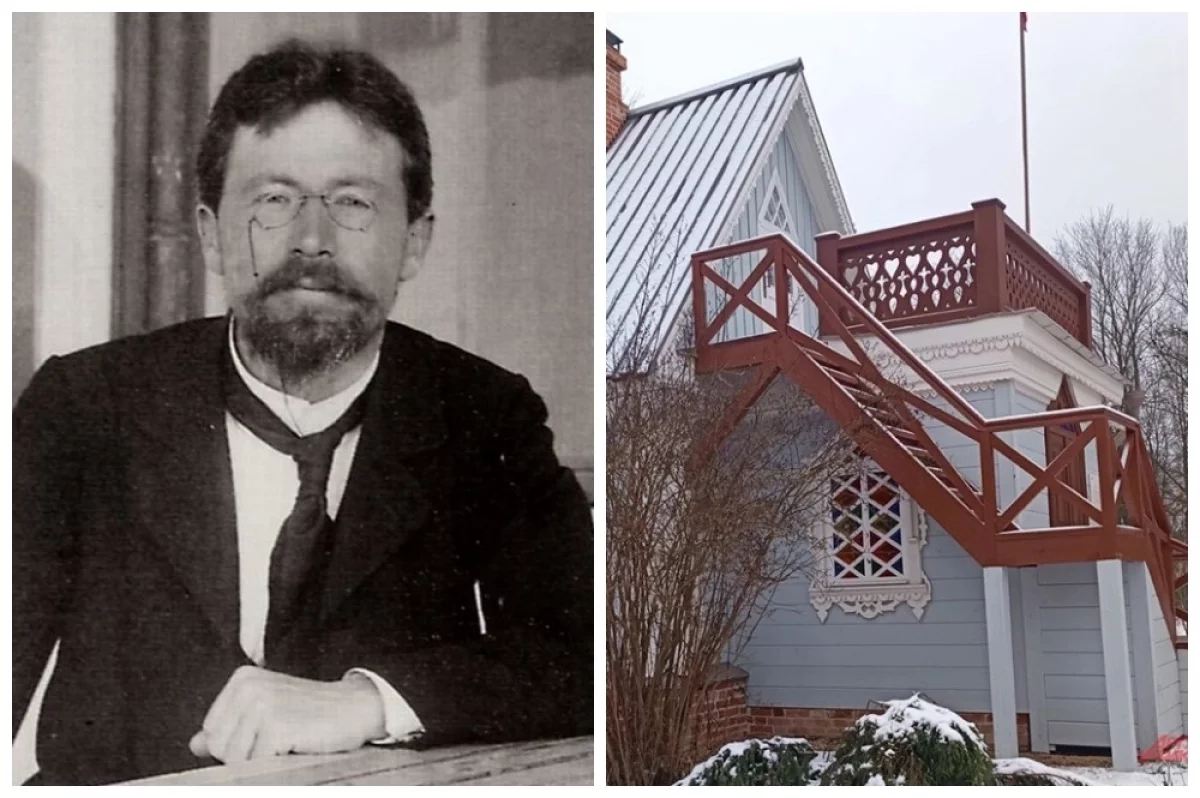
The exhibition also sits within a broader renaissance at Melikhovo. Over the past six months the writer’s house-museum has been restored and reopened with Chekhov’s study, a cosy kitchen and the famed wing where Chekhov composed The Seagull some 130 years ago. That wing had survived in a partially ruined state and became the focus of rebuilding efforts in 1940. Museum officials say a total of seven sites across the reserve are scheduled for renewal in the coming period.
Chekhov’s own words about winter and the holidays appear throughout the display. In one passage he describes snow by day and a splendid moon at night. In another he writes of the clean emptiness winter can bring, and of the pleasures of sleigh rides and dreaming of spring. The exhibition also features his lighter, witty letters, including a New Year greeting that betrays his fondness for humour when addressing family and friends.
A personal thread runs through the documents on show. Letters to the singer Lika Mizinova reveal Chekhov’s reflections on idleness and simple pleasures; one note from Yalta speaks of his ideal of leisure and his fondness for collecting small, useless things. Such passages are set against Levitan’s quiet, observational canvases to suggest how two friends treated the same countryside with different media and similar affection.
The museum reserve will be open daily from 10:00 to 17:00 between 3 and 11 January 2026. Organisers encourage visitors to take their time with the exhibition and to step outside afterwards to see the estate’s winter gardens, which will later flower into apple blossom and lilac in the spring.
The pairing of Chekhov and Levitan at Melikhovo is as much a cultural restoration as an art show. By restoring rooms that belonged to the writer and presenting paintings that echo his prose, the exhibition aims to deepen public appreciation of two figures who shaped Russian modern culture.
Key Takeaways:
- Chekhov and Levitan exhibition Melikhovo presents 24 Levitans alongside Anton Chekhov quotations, opening during an anniversary year.
- The museum has completed restorations of the writer’s house, study, kitchen and the historic wing where The Seagull was written.
- Visitors can experience seasonal views from the estate and a curated display combining painting and text.
- The exhibition underlines Melikhovo’s renewal and plans to update seven museum sites to enhance cultural tourism.