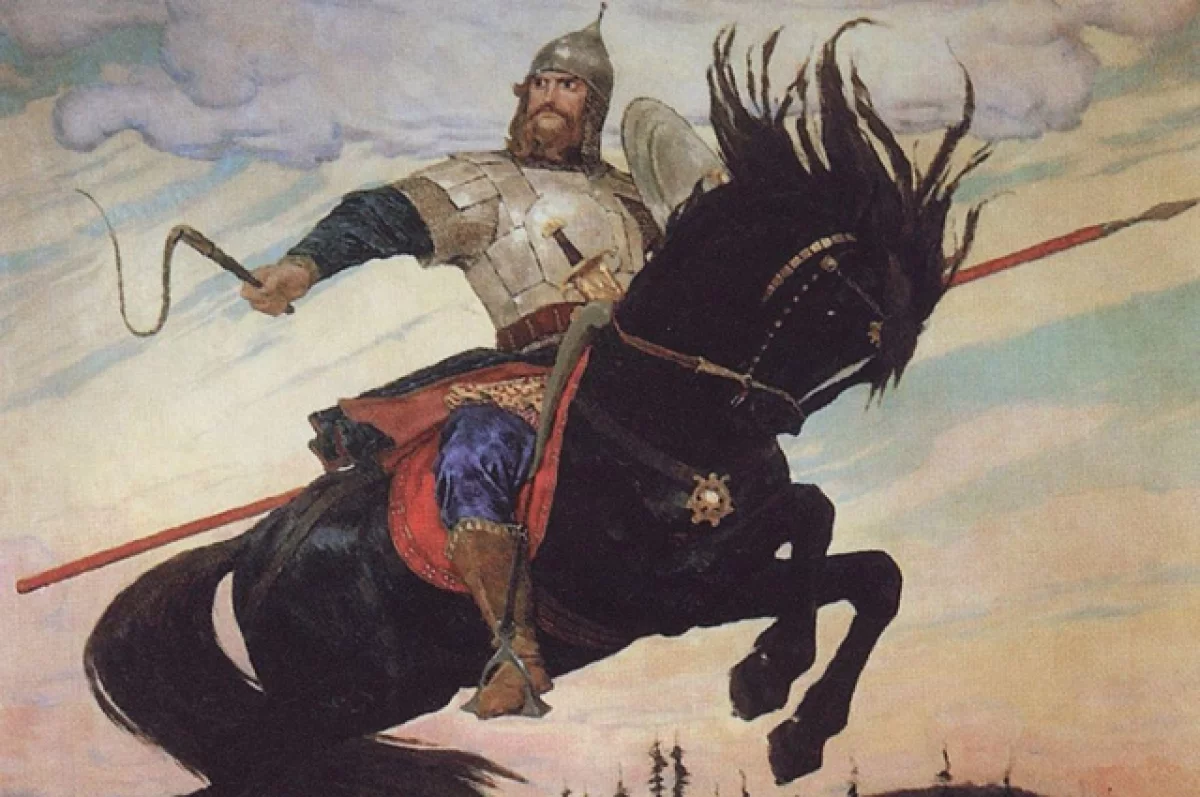
On 1 January 2026 Russians mark the memory of Ilya Muromets, a figure who bridges medieval epic and Orthodox sainthood. Known in folk epic as a bogatyr, he is also venerated in the Church and regarded as a patron of the border guard and Russia’s strategic rocket forces. The day mixes liturgical observance with popular customs that have survived for centuries.
Ilya Muromets Day observances
The feast is observed with a liturgy followed by a prayer service for the new year in many churches. In parishes where the rite is celebrated, clergy serve a molieben for the New Year after the Divine Liturgy. For many worshippers the day is an opportunity to combine thanksgiving with quiet reflection on service and defence of the homeland, themes associated with the saint’s legend.
Folk practice remains strong in rural areas and among families that preserve older customs. Morning rituals often include carrying small coins, thought to bring luck, and offering fruit and lean sweets to guests. A longstanding custom holds that the first person you meet outside on this day will influence the year; if that first person is a man, tradition says the year will be especially fortunate.

Historical background
Ilya Muromets is traditionally linked with the village of Karacharovo near the city of Murom. Chronicles and byliny place him in the 12th century. Legends describe a childhood illness that left him unable to walk until a miraculous recovery, after which he gained extraordinary strength. He later entered the Kiev Pechersk Lavra and took monastic vows, though the surviving lavra records do not contain a full life of the warrior-monk. Accounts suggest he fought to defend Kiev against nomadic incursions and likely died in the late 12th century. He was canonised by the Russian Church in 1643.
Customs, do’s and don’ts
Traditional guidance for the day is practical and conservative. Householders are advised to avoid heavy manual labour and refrain from making major decisions or engaging in disputes. It is considered unlucky to take out the rubbish on this day. Instead, families are encouraged to prepare simple, fasting dishes and to welcome visitors with fruit and postnye treats.
Religious observance remains consistent with the Nativity Fast. Many faithful continue the strict fast, avoiding meat and alcohol in keeping with the season. Churches stress that any celebration should remain modest and focused on prayer and community.
Notable facts
Scholarly study of relics once attributed to the saint suggests a man of above-average height for his era, with an estimated stature of around 177 cm. Osteological analysis has also indicated spinal pathology that might explain accounts of a disabled youth. A relic tradition preserves one finger of the saint’s left hand in the Transfiguration Monastery in Murom. Devotional art commonly depicts him making the three-fingered sign of blessing used in Orthodox practice.
Whether as a subject of hagiography, folklore or public commemoration, Ilya Muromets remains a potent symbol of strength, faith and service in Russian cultural memory. The observance on 1 January continues to blend church ritual and folk practice, offering a quiet moment of reflection at the start of the calendar year.
Key Takeaways:
- Ilya Muromets Day (1 January 2026) honours the medieval hero and saint celebrated across Russia.
- The day combines church liturgy, folk weather signs and observances linked to family and modest celebration.
- Traditional do’s include sharing fruit and following fasting rules; don’ts warn against heavy work and quarrels.