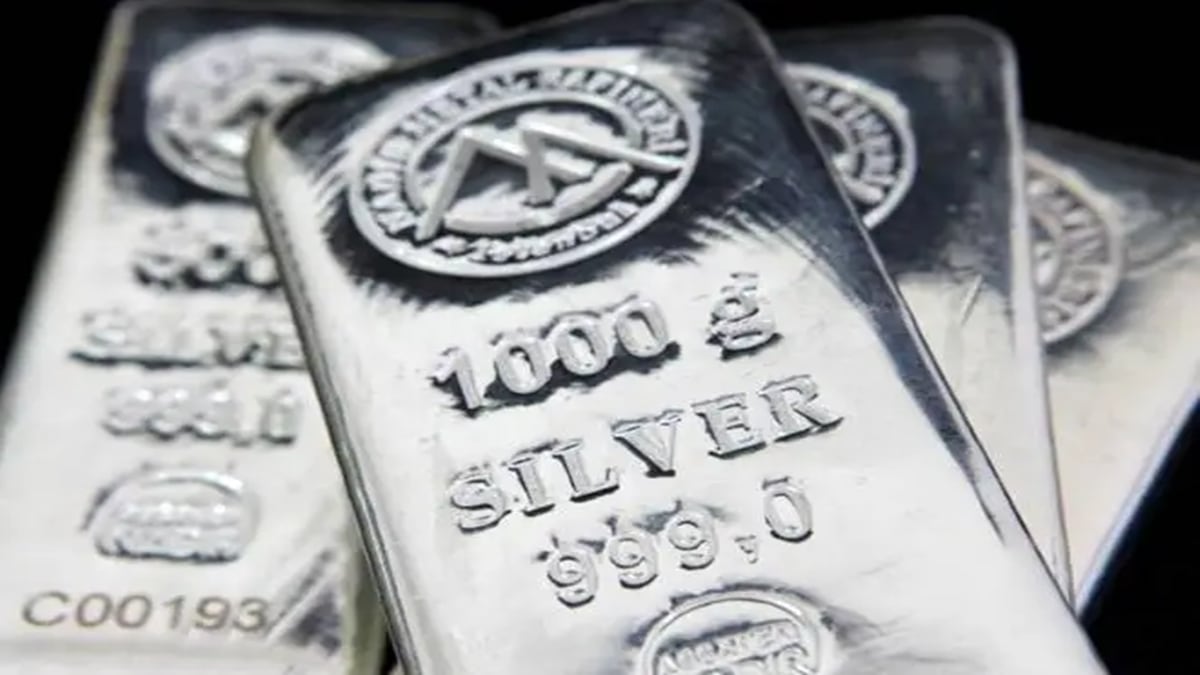
Silver experienced a sharp reversal this week as traders locked in gains following a rapid rally that sent the metal to an all-time high earlier in the week. After peaking at $86.62 on Monday, spot silver fell back to about $71 per ounce by Wednesday, representing a decline of more than 14% from the record high and renewed evidence of extreme price volatility.
Silver prices face volatile swing after record highs
The collapse was compounded by action from the Chicago Mercantile Exchange, which raised overnight margin requirements to $25,000—its second increase in the month. Markets said the margin hike forced leveraged participants to reduce positions, accelerating selling pressure in both futures and spot markets. On Wednesday, CME silver futures were trading near $71.63, down over 8% on the session.
December 29 marked the most dramatic leg of the move, when silver fell more than 10% within a 12-hour window after an intra-day high above $84. Futures briefly reached $82.67 before heavy selling drove prices materially lower. Analysts described the episode as a position unwinding event rather than a fundamental shift in long-term demand.

“Monday’s selloff was amplified by the CME’s decision to raise margin requirements on silver futures, forcing leveraged traders to reduce exposure after prices became technically overstretched,” said Jigar Trivedi, Senior Research Analyst at Reliance Securities. Market veterans have warned that strong follow-through selling would produce more serious technical damage, while a robust bounce over the following days could merely mark short-term reaction lows.
The episode unfolds against a complex geopolitical backdrop. China—one of the world’s largest industrial consumers of silver and a member of the BRICS group—has announced export restrictions to take effect from 2026, with exporters required to obtain licences until 2027. Traders and analysts are watching closely to see whether that policy will tighten global supply or produce unintended short-term market distortions.
Commentators note the apparent contradiction: on one hand, export curbs can support longer-term prices by limiting outflows; on the other, abrupt regulatory shifts can boost volatility as market participants scramble to reassess positions. The near-term direction will therefore hinge on how firms respond to licensing rules and whether commercial flows are materially disrupted.
Even after this week’s sell-off, silver remains the best-performing precious metal so far in 2025, with spot gains near 150% year-to-date. That strong performance is likely to have encouraged profit-taking, particularly from short-term speculators who benefited from rapid appreciation.
Technical analysts say the next few trading sessions are crucial. If follow-through selling continues, it could confirm that short-term tops are in place; a strong rebound, by contrast, would suggest current lows are reactionary and the uptrend could resume. Some market participants still point to $100 an ounce as a psychological milestone, but reaching that level will depend on a mix of fundamentals, policy developments and trader positioning.
Investors should be aware that futures margin rules and sudden policy announcements can quickly change risk profiles. This article provides factual analysis and is not a recommendation to buy or sell. Market participants should perform their own due diligence and seek advice from a registered financial adviser.
Key Takeaways:
- Silver prices plunged more than 14% from Monday’s record high amid heightened volatility and profit-taking.
- CME Group increased overnight margin requirements, forcing some leveraged traders to cut exposure and amplifying the sell-off.
- China’s announced export restrictions on silver from 2026 introduce a policy factor that could reshape supply dynamics.
- Despite the setback, silver remains one of 2025’s top-performing precious metals, with roughly 150% year-to-date gains.