The rapid spread of advanced artificial intelligence has moved from boardrooms and research labs into the centre of the 2026 US midterm campaigns, prompting fierce debates inside both parties and within the technology sector itself. Competing super PACs are preparing to spend heavily to shape the debate, while local opposition to data centre construction has turned into a potent political force.
Washington faces a tripartite contest. One camp, backed by large technology firms and venture capital, argues that strict regulation would hand an advantage to China and imperil American leadership in the field. That view has gained traction at the White House, which has favoured a light-touch approach and produced an executive order limiting state-level rules.
AI race with China shapes industry arguments
Pro-industry groups have organised quickly. One super PAC, Leading The Future, has announced plans to spend around $100 million on the midterms, signalling its intention to defend candidates who oppose stringent restrictions. Its supporters say a patchwork of state laws would hobble firms at a time when international competition, especially from China, is intensifying.

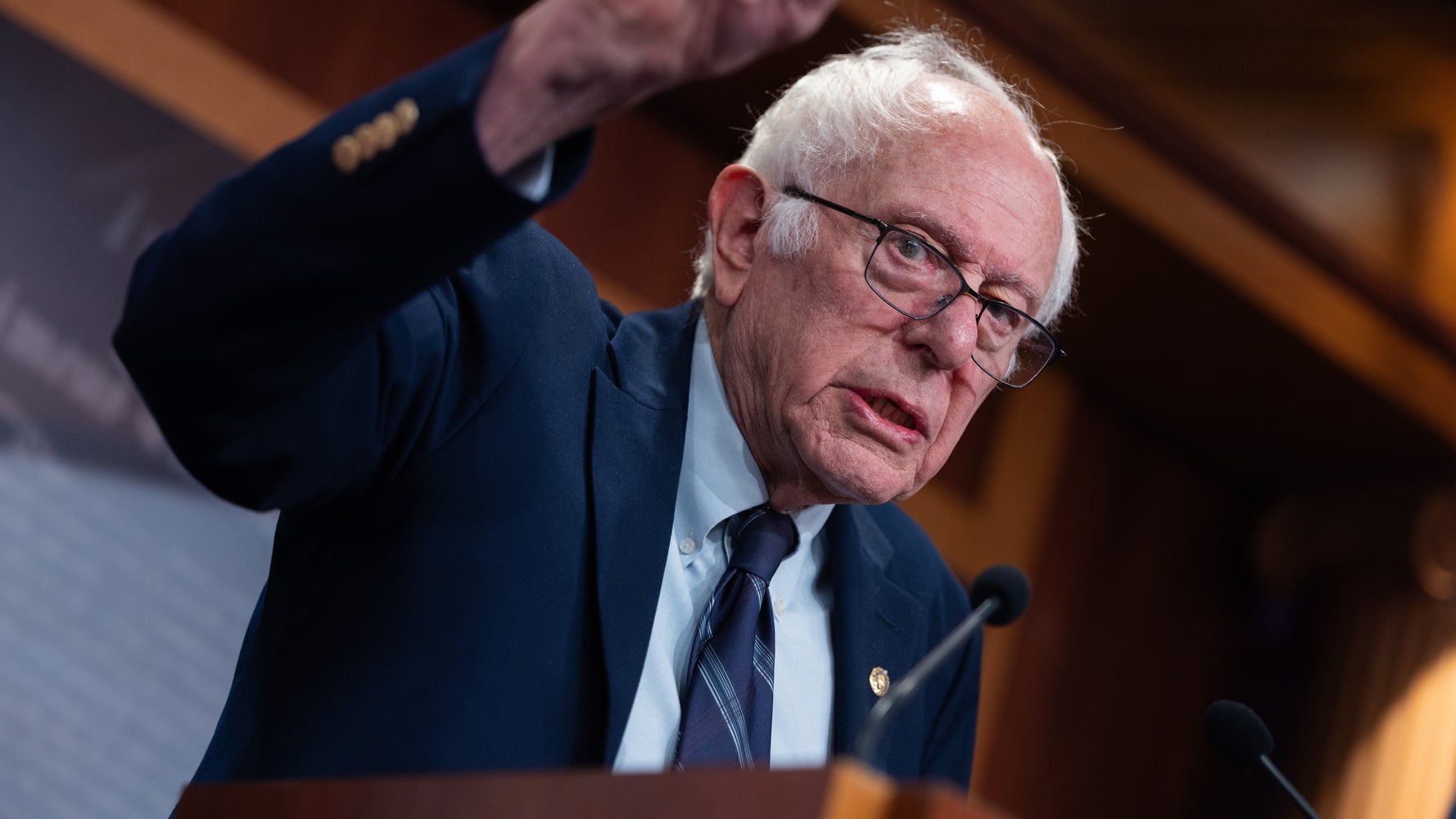
At the same time, a populist backlash has formed, driven by concerns about job loss, rising energy costs and the social effects of widespread AI use. Senator Bernie Sanders proposed a moratorium on new data centre construction, a measure intended to slow deployment while policymakers consider broader regulation. That proposal is unlikely to become law, but it may prove useful as a rallying cry for candidates on the left.
A third group seeks a middle path. Legislators and researchers in this camp support the technology’s potential while pressing for safety, privacy and labour protections. Their approach has produced state-level laws that establish standards for the most powerful AI models and penalties for non-compliance, and has attracted modest financial backing from advocacy groups.
These disputes are playing out in primaries. In New York, Assemblyman Alex Bores has become an early target of industry advertisements after sponsoring safety legislation. Bores stresses that measured regulation can help the public harness AI’s potential without surrendering oversight to a small set of corporate interests.
Local battles over data centres have added fuel to the national debate. Communities from Virginia to Arizona have protested the rapid expansion of facilities that consume large quantities of water and electricity. Construction unions, however, warn that halting projects could cost jobs and economic activity in regions where data centre work now underpins local employment.
Polling suggests the public favours oversight over unfettered development. Surveys show a majority of Americans support government regulation for safety and privacy reasons, even if that may slow US progress relative to China. But voters remain split when given the choice between an outright ban and continued development.
As money floods into the midterms, AI is likely to test political alliances across the country. The debate will force candidates to balance economic and security arguments about the international competition, practical concerns about energy and infrastructure, and wider questions about how to protect privacy and children while preserving innovation.
Key Takeaways:
- AI emerges as a major issue in the 2026 US midterms as parties, super PACs and grassroots groups clash over regulation and data centres.
- Industry accelerationists warn regulation risks losing the AI race with China, while populists press for moratoria on data centre construction.
- Moderates advocate targeted safety rules to manage job disruption, privacy and child protection while keeping innovation on track.