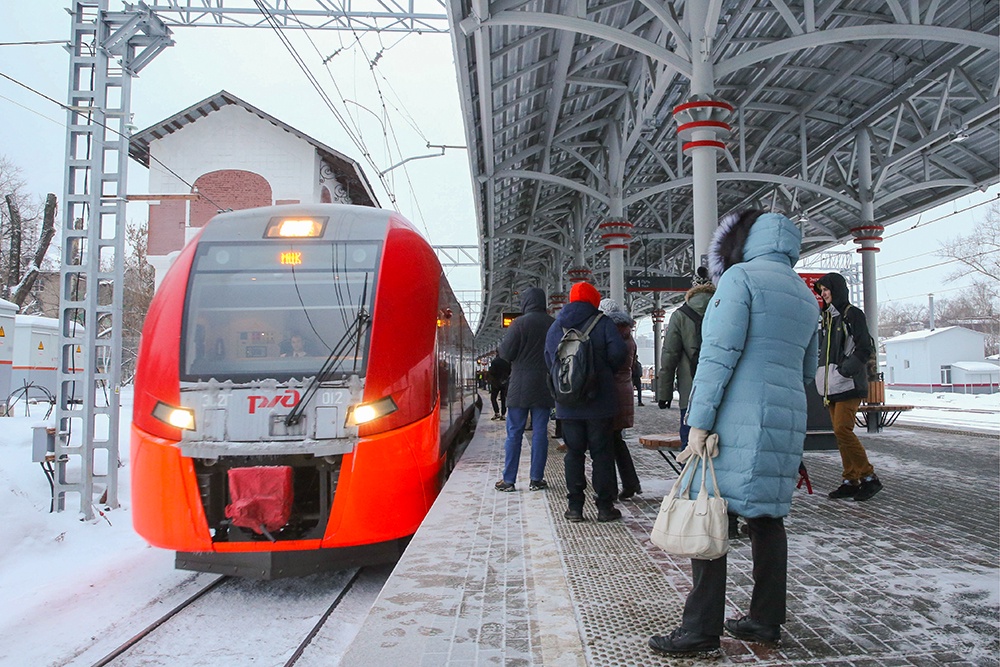
Severe weather caused a failure in the contact network on the North Caucasus Railway overnight on 31 December, leaving a number of services delayed in Krasnodar Krai. As of 11:00 Moscow time, 18 long-distance passenger trains and three suburban services were delayed by up to an hour or more. The incident highlights passengers’ rights and the practical steps they can take when services run behind schedule.
How train delay compensation in Russia works
Russian regulations require carriers to inform passengers about the reasons for delay and the expected departure time. Station staff or the train manager should provide updates. Passengers are advised to retain their tickets until the end of the journey, as they are necessary when filing a claim for compensation.
Transport operators must also provide basic assistance when waiting times extend. This includes access to drinking water and, for prolonged delays, hot meals. Large stations and long-distance services typically have internal rules obliging carriers to arrange waiting areas and reinforce service teams during peak travel periods.

Compensation depends on the type of train and the cause of the delay. For high-speed services such as Sapsan and Lastochka, the rules are clear: a delay of 60–119 minutes entitles passengers to a refund of 25% of the ticket price; a delay of two hours or more entitles them to 50%. Importantly, payments are due only when the delay is attributable to the carrier. If the disruption stems from circumstances beyond the carrier’s control—extreme weather, accidents affecting safety, or other force majeure events—passengers may not be eligible for compensation.
How to claim and what to expect
Compensation is not paid automatically. Passengers must submit a written claim, which can be done on board with the train manager or at a ticket office. The claim form requires details of the ticket, the train and the actual delay time. Documents can be submitted on the travel day or later, within the carrier’s prescribed deadlines, which are typically up to 45 days after the incident. Note that suburban services may follow different rules.
If passengers face disputes or believe their rights have been violated, they should first seek clarification from the carrier. If the issue is not resolved, complaints can be lodged with Rospotrebnadzor or pursued through the courts.
The recent breakdown in Krasnodar Krai came during a high-demand travel period and serves as a reminder to travellers to keep tickets, request timely information from staff and, where necessary, file a claim promptly. Knowing the rules ahead of travel will help passengers secure any entitled refunds and access basic assistance while delays are resolved.
Key Takeaways:
- Passengers affected by delays on the North Caucasus Railway in Krasnodar Krai should keep tickets and expect information and basic assistance from carriers.
- Train delay compensation in Russia applies to high-speed services: 25% refund for 60–119 minutes, 50% for delays of two hours or more, but only if the carrier is at fault.
- Compensation is not automatic; passengers must file a claim with the train manager or ticket office, usually within 45 days.
- In force majeure events such as extreme weather or accidents, compensation rights may not apply; disputes can be taken to the carrier, Rospotrebnadzor or the courts.