











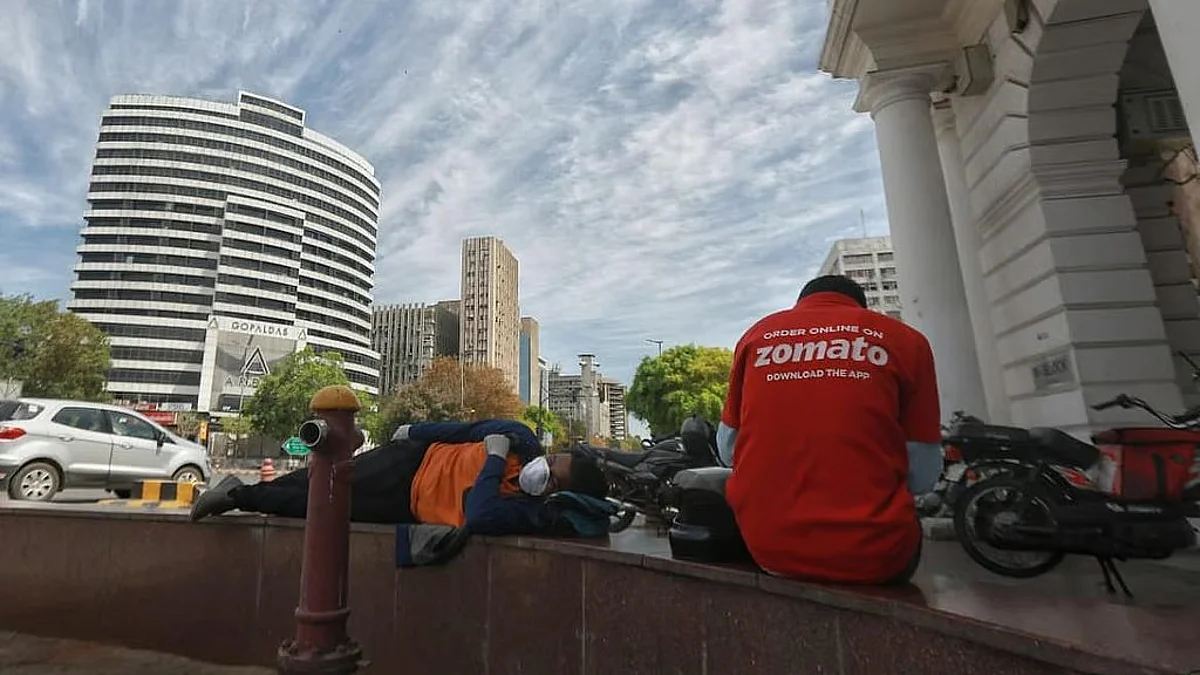
Major food delivery platforms in India moved quickly to shore up services over the New Year period by announcing higher incentives for delivery partners after unions called for large‑scale protests. The measures, declared ahead of December 31, aim to ensure continuity of deliveries during one of the busiest windows of the year.
Gig worker pay rise India and incentive details
Zomato said it would pay delivery partners an additional Rs.120 to Rs.150 per order during the peak evening window from 6pm to midnight on New Year’s Eve. The company told partners that, depending on order volumes and worker availability, riders could earn up to around Rs.3,000 in a single day. Zomato also suspended cancellation penalties for the period to reduce income insecurity for drivers.
Swiggy announced a separate incentive structure for the year‑end period, projecting earnings of up to Rs.10,000 across December 31 and January 1 for active delivery personnel. For the same peak six‑hour window the platform highlighted potential peak‑hour earnings of roughly Rs.2,000, aiming to ensure adequate rider availability when demand is highest.

The two platforms framed the payouts as part of routine seasonal operations when firms typically increase incentive budgets to match surging demand. Company spokespeople said the measures are designed to encourage supply during short, high‑intensity windows rather than represent permanent changes to contracts or base pay.
Industry sources noted that other quick commerce and delivery firms, including Blinkit, Instamart and Zepto, could also feel pressure to enhance payouts during the holiday push to avoid service interruptions.
The announcements follow repeated calls from labour groups for improved remuneration and safer working conditions. The Telangana Gig and Platform Workers Union and the Indian Federation of App‑Based Transport Workers had warned of a nationwide strike, citing low pay, unsafe working conditions and loss of dignity in work. The unions said more than 170,000 delivery and app‑based workers had confirmed participation in protests, with organisers expecting the numbers to grow on the evening of the action.
Union leaders pointed to an earlier demonstration on December 25, when thousands of delivery workers logged off across Telangana and other regions after a mass walkout. That action prompted warnings from unions that platforms risked losing trust and operational stability if they did not engage constructively.
Labour representatives say the seasonal payouts do not address fundamental concerns. They argue that short‑term incentives are insufficient without guarantees on base payments, safer working conditions and meaningful dialogue with companies. Unions have called for sustained negotiations rather than one‑off holiday bonuses.
Platform executives insist the measures reduce disruption and benefit workers during unusually busy periods. They emphasise that lifting penalties on cancellations and boosting per‑order payouts for limited windows help maintain earnings and supply when customers place the most orders.
As India prepared for its peak New Year demand, the announcements offered a temporary easing of tensions. Observers say the next step will be whether companies and unions move from episodic responses to a structured dialogue that tackles long‑term pay models and worker safety.
Key Takeaways:
- Zomato and Swiggy announced extra incentives to delivery partners ahead of New Year to avert disruptions and address strike calls.
- Organisers claimed around 170,000 delivery and app‑based workers would participate in protests, pressuring platforms to act.
- Zomato offered Rs.120–150 per order during peak hours and waiver of cancellation penalties; Swiggy projected up to Rs.10,000 across the year‑end window.
- Companies say these are routine seasonal incentives, while unions insist on long‑term improvements in pay and working conditions.








