











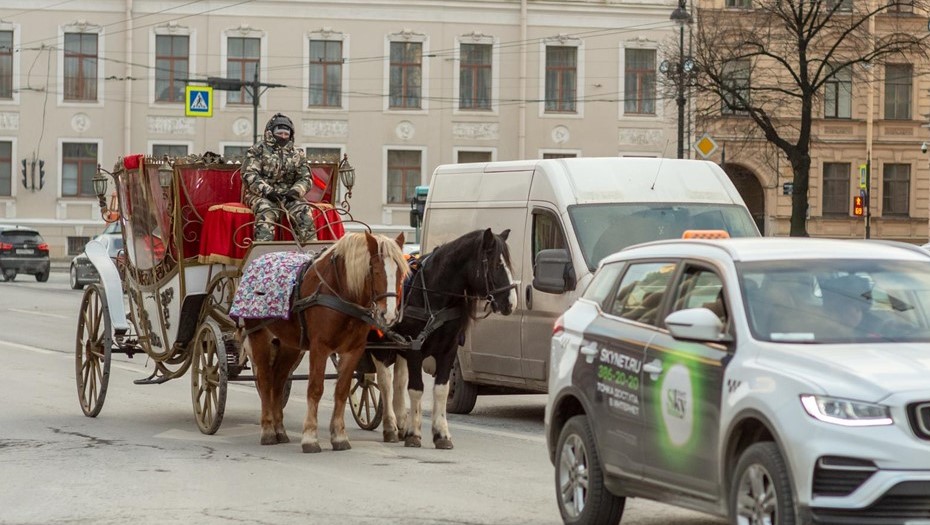
A Saint Petersburg deputy has proposed that horse-drawn carriages be recognised as an official form of transport in the city, a move intended to formalise operations that currently take place largely for tourism and occasional public-service functions.
The proposal follows growing public visibility of horses in the city. Aside from sightseeing trips that attract visitors, horses have been employed by law enforcement. Mounted police units first appeared in Saint Petersburg in 2023 and can now be seen patrolling green spaces including Sosnovka Park, Udelny Park, Yuzhno-Primorsky Park and the 300th Anniversary Park.
Saint Petersburg horse-drawn carriages: potential benefits and challenges
Supporters of the initiative argue that recognising horse-drawn carriages as an official transport mode could deliver several advantages. For tourism operators, formal status would make it easier to integrate carriage services into city tours and municipal visitor programmes. For residents, regulated carriage services might offer a leisurely transport option in park areas and historic districts where motor traffic is restricted.

Proponents also point to potential environmental and cultural benefits. Compared with motor vehicles, horse-drawn services produce no direct emissions and contribute to the preservation of a traditional element of urban life that many cities use to promote cultural heritage.
However, municipal authorities will need to consider practical and regulatory questions. Animal welfare is a central concern. Clear standards would be required for stabling, veterinary care, working hours, rest periods and fitness assessments. Licensing frameworks must be established for carriage operators, drivers and vehicle safety checks. Traffic management on busy streets and the interaction between carriages and other road users will also require careful planning.
There are also public-safety considerations. The presence of mounted police demonstrates one operational model for horses in public service. Mounted units provide visible patrols that can improve safety in large park areas, crowd management and community policing tasks. Extending horse use beyond those settings would necessitate rules to ensure both human and animal safety in variable urban conditions.
City officials are likely to consult a range of stakeholders if the proposal advances. Veterinary associations, transport regulators, tourism bodies and animal-rights groups would be expected participants in any drafting of regulations. Budgetary questions will arise too, covering inspections, enforcement and potential subsidies or fees for licences.
Public reaction is likely to be mixed. Some residents and businesses may welcome new tourism opportunities and the romantic appeal of carriages in historic neighbourhoods. Others may voice concerns about street congestion, odour, and the welfare of working animals. The debate will hinge on whether a regulatory regime can balance economic and cultural benefits with robust protections for horses and clear safety standards for passengers and the public.
Next steps would typically include submission of a draft municipal bill or motion to the city council, followed by committee review, public hearings and consultations. If approved, Saint Petersburg would join a number of European and worldwide cities that maintain regulated horse-drawn carriage services as part of their tourism and urban mobility mix.
For now, mounted police remain the most visible example of horses serving a public role in Saint Petersburg since their reintroduction in 2023. Whether horse-drawn carriages will take a more formal place in the city’s transport landscape will depend on the outcome of regulatory discussions and the balance struck between heritage, tourism and animal welfare.
Key Takeaways:
- Proposal seeks to recognise Saint Petersburg horse-drawn carriages as official urban transport to boost tourism and local services.
- Mounted police units introduced in 2023 already operate in parks such as Sosnovka, Udelny, Yuzhno-Primorsky and the 300th Anniversary Park.
- Authorities must weigh benefits for tourism and sustainability against animal welfare, traffic management and licensing.








