











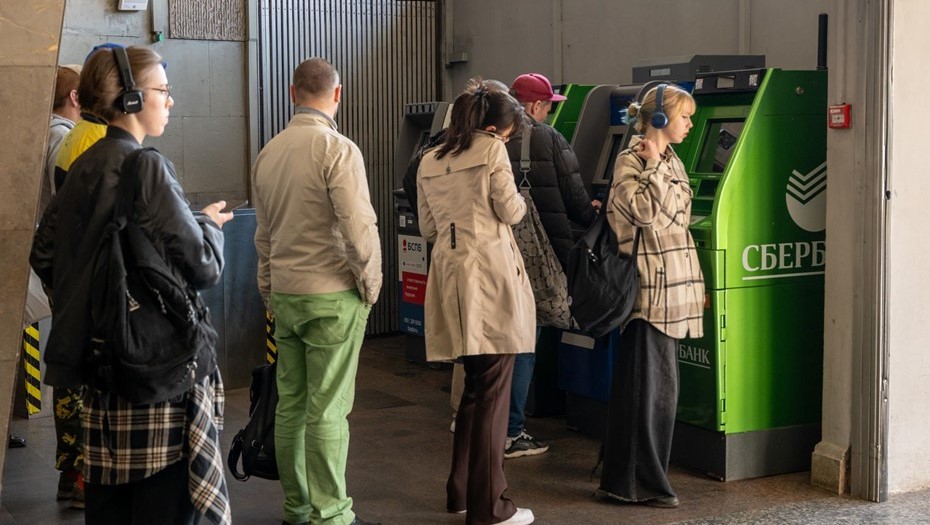
Banks in Russia have reportedly begun blocking attempts to withdraw large sums of cash from ATMs, with customers receiving follow-up phone calls asking them to confirm whether they are making the withdrawal. The development, reported by Russian media, did not identify which lenders have implemented the practice or whether it follows a central directive.
ATM withdrawal blocks in Russia: What customers should know
The immediate effect is straightforward: when a customer tries to withdraw a considerable amount, the ATM transaction is interrupted and a bank representative calls to verify the activity. For many customers this will be a welcome layer of protection against card fraud. For others, particularly those who rely on cash for large purchases or travel, it can be an inconvenient and unexpected barrier.
At present there is no official, nationwide explanation from the Central Bank of Russia or from specific commercial banks. Financial institutions routinely employ anti-fraud measures such as transaction monitoring, spending limits and two-factor authentication. Suspending an atypical transaction and contacting the account holder fits within that toolbox, but the lack of clarity around thresholds and which banks are using the rule has prompted questions from consumers and analysts.

Industry sources say such checks often aim to counter card skimming, account takeover and other forms of unauthorised withdrawal. They can also be triggered by sudden changes in customer behaviour, withdrawals abroad, or attempts to take out sums above customary daily limits. Banks must balance protecting customers with avoiding unnecessary disruption.
For individuals facing blocked withdrawals, there are several practical steps. Notify your bank in advance if you expect to make a large cash withdrawal, especially before travel or significant purchases. Keep contact details up to date so verification calls and messages are received promptly. Use your bank’s mobile app to check for alerts or temporary blocks. When possible, rely on electronic transfers or card payments to reduce dependence on cash.
Consumer advocates urge transparency. Clear communication of daily cash limits, how large withdrawals are assessed, and the verification process would reduce confusion. If customers suspect the call is a scam — for example, if the caller requests PINs or full card details — they should end the call and contact their bank via the official number on the back of the card.
From a wider perspective, several factors make banks more cautious about cash flows. Renewed emphasis on anti-money-laundering compliance, concerns about fraud and the ongoing growth of digital payments all shape banks’ responses. While such controls can support financial stability and customer protection, their implementation is most effective when accompanied by clear guidance for retail customers.
Until banks publish firm rules or the central regulator issues guidance, customers should assume that large, uncommon ATM withdrawals may be flagged and prepare accordingly. Those who rely on cash should plan ahead and, if required, discuss options with their bank to ensure funds are accessible when needed.
Authorities and banks that prioritise both security and customer experience can limit disruption by setting transparent limits, offering advance-notification channels and educating customers about verification procedures. For now, increased vigilance appears to be the driver behind this recent practice affecting ATM access in parts of Russia.
Key Takeaways:
- Russian banks have started blocking attempts to withdraw large sums at ATMs and phoning customers to confirm transactions.
- The measure appears linked to fraud prevention and anti-money-laundering controls, though affected banks were not named.
- ATM withdrawal blocks in Russia may disrupt customers; those planning large withdrawals should notify their bank in advance.
- Practical steps include checking bank apps, using cashless payments where possible, and contacting the bank before travel or major purchases.








