











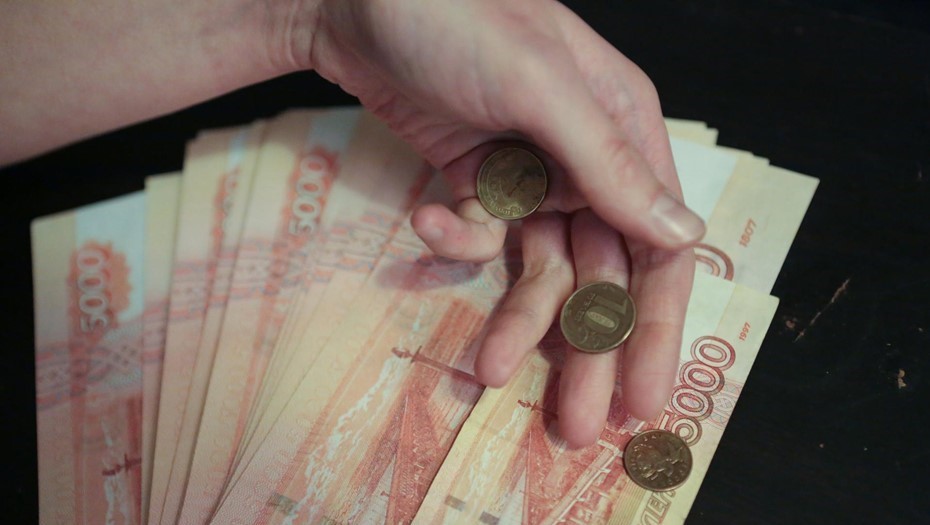
Nearly half of workers in St Petersburg expect a so-called 13th salary or a festive bonus after 2025, according to a survey conducted this autumn. The finding suggests modest but persistent hopes for end-of-year pay among city residents as they head into the new calendar year.
13th salary in St Petersburg and what workers expect
The poll found that 44% of respondents were counting on an additional salary payment following the results of 2025. A larger share — 50% — said they expected either another month’s pay or at least a holiday premium by New Year. Those figures are broadly in line with last year’s results, when 52% reported similar expectations.
At the same time, the share of people who said they did not expect any 13th salary remained almost unchanged. In 2024, 42% of respondents dismissed the idea of an extra payment; in the latest survey that share is 41%. The marginal shift suggests stability in employee sentiment rather than a sharp improvement or deterioration.

Researchers emphasised that the term “13th salary” in Russia often covers different arrangements in practice. For some firms it is a formal extra month’s pay tied to company results; for others it takes the form of a one-off festive bonus or discretionary payment. The survey did not distinguish between contractual 13th salaries and ad hoc year-end awards, but it captured the general expectation among households.
Economic analysts say the survey offers a snapshot of household confidence and employer capacity to pay. End-of-year bonuses can serve as a small buffer for families facing rising living costs. Where such payments are widespread and predictable, they also help sustain consumer spending into the first months of the year.
St Petersburg’s labour market has shown pockets of resilience despite broader pressures on the Russian economy. Wage growth, employment patterns and company profitability vary widely by sector. Public sector workers and employees of larger firms are typically more likely to receive regular year-end payments, while staff in smaller private enterprises often rely on discretionary awards.
Employers’ stated intentions will determine whether the expectations captured by the survey translate into actual payments. Analysts warn that expectations do not always result in payments, particularly if companies face cash-flow constraints or choose to prioritise other costs.
For households, the presence or absence of a 13th salary can affect budgeting decisions for major spending such as holiday travel, utility bills and purchases. The survey outcome suggests that a significant share of St Petersburg residents will plan their end-of-year finances with the hope of an extra payment, even if that hope is not universal.
As firms finalise budgets for the year ahead, observers will watch whether the proportion of workers receiving a 13th salary changes materially. For now, the survey points to modestly steady expectations among St Petersburg residents as they approach 2026.
Key Takeaways:
- Survey shows 44% of St Petersburg residents expect a 13th salary or holiday bonus after 2025.
- Half of respondents said they expect an extra pay or festive premium by New Year, similar to 2024 levels.
- 13th salary in St Petersburg appears stable year-on-year, reflecting modest wage expectations among city workers.








