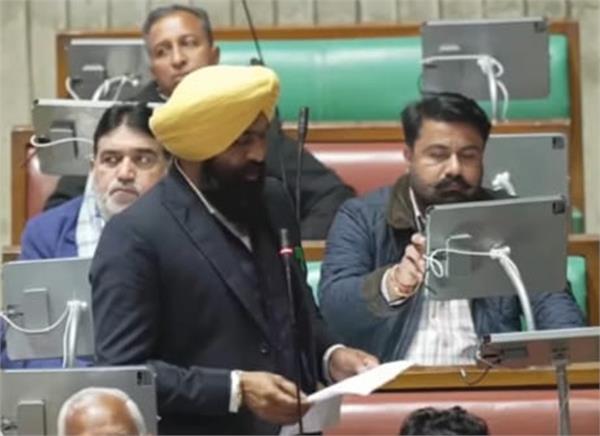
MLA Kulwant Singh Pandori told the Punjab assembly that recent changes to the national rural employment guarantee scheme are hitting the poorest families where it hurts. Speaking during a special session called to consider amendments to the scheme, Pandori accused the central government of reducing funds, delaying payments and imposing digital restrictions that deny work and wages to marginalised labourers.
Pandori said the Mahatma Gandhi National Rural Employment Guarantee Act is more than a welfare scheme. It is a lifeline that provides wages, dignity and two meals a day to millions of households in villages across India. He argued that the programme supports village development, strengthens rural infrastructure and underpins local economies.
MNREGA changes India
Raising questions in the legislature, Pandori said cuts to MNREGA allocations and a growing reliance on digital processes are deliberately squeezing poor workers. He accused the ruling party at the centre of pursuing policies that he described as anti-labour and likely to leave states economically weaker and vulnerable communities worse off.

“MNREGA is not only about short-term employment,” Pandori said. “It creates durable assets in villages and preserves incomes for families who depend on seasonal work. Any erosion of this law will cause real hardship.” He urged the centre to immediately halt any amendments that reduce entitlements, to release all outstanding wages without delay and to ensure every eligible household receives the statutory 100 days of work each year.
The Punjab assembly heard that the state government under Chief Minister Bhagwant Mann stands committed to defending MNREGA workers. Pandori pledged that Punjab will oppose central measures that undermine labour protections and social safety nets, and promised the state will raise the issue at every political and administrative forum.
Policy analysts say MNREGA has long acted as both an employment guarantee and a countercyclical stabiliser in rural India. Payments under the scheme boost consumer spending in villages and finance small-scale public works that improve irrigation, roads and common property resources. Any reduction in funding or delays in payment can therefore have immediate ripple effects on rural economies.
Critics of the centre’s approach point to tighter digital verification and payment mechanisms as barriers for those without reliable internet access or identity documents. Pandori and other legislators argued these measures exclude elderly, landless and seasonal workers, and called for safeguards to ensure inclusion.
Beyond immediate demands for restored funding and expedited wages, Pandori asked for clarity on implementation. He called for a transparent review of recent changes, consultations with worker representatives and legal guarantees to preserve the employment guarantee’s core entitlements.
The dispute highlights a wider federal tension over social policy and fiscal priorities. Punjab’s appeal echoes earlier warnings from other state leaders who say reforms must not sacrifice the social protection that sustains millions of families. The assembly session concluded with a demand that the centre reconsider its stance and that states remain vigilant in protecting rural livelihoods.
Key Takeaways:
- MNREGA changes India under centre scrutiny as Punjab MLA Kulwant Singh Pandori warns cuts and digital rules are harming rural wages and work security.
- Pandori says MNREGA is a lifeline for millions and demanded immediate release of unpaid wages and a guarantee of 100 days of work per household.
- The Punjab government led by Chief Minister Bhagwant Mann pledges to defend workers against what it calls labour adverse central policies.
- MLA Pandori called for an end to fund cuts, prompt payments and protection for village infrastructure and livelihoods.