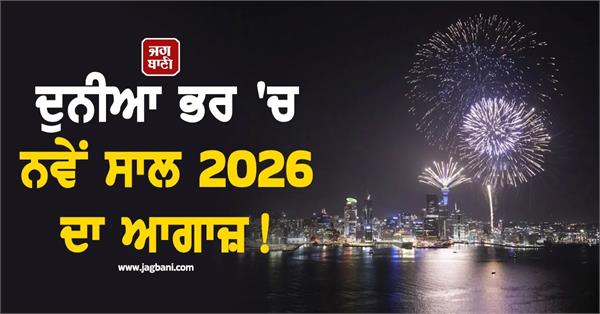
Kiribati welcomed 2026 first as the world observed a rolling wave of New Year celebrations driven by time zones. The Pacific island nation on the planet’s eastern extreme reached midnight ahead of all others, prompting fireworks and festivities that began many hours before India marked the start of the year.
Countries celebrating New Year before India
Because the globe is divided into time zones, 29 countries greeted 2026 before India. Those nations range from small Pacific states such as Kiribati and Samoa to larger economies including Australia, New Zealand, Japan and Indonesia. According to local time conventions, Kiribati’s Line Islands (UTC+14) hit midnight about eight hours and 30 minutes ahead of India (UTC+5:30). New Zealand followed roughly an hour later and was about seven hours and 30 minutes ahead of India at the time of celebration.
The staggered arrival of the New Year is a familiar annual spectacle. As clocks strike midnight in one zone, the celebration ripples westwards, with different countries joining in as their local calendars flip to January 1. The process can stretch across more than a day, with the final pockets of the Pacific and parts of the Americas marking the new year many hours after others. In practical terms, the full cycle of celebrations can last close to 26 hours, accounting for international date line quirks and daylight saving shifts.

For readers wondering why times differ so widely, the explanation lies in the Earth’s rotation and the political adoption of time zones. The planet rotates 360 degrees in about 24 hours, which divides into 24 standard time zones of roughly 15 degrees each. Countries set their clocks according to longitude and, in some cases, adopt offsets that differ by half or even quarter hours. Nepal, for example, operates on UTC+5:45, which places it 15 minutes ahead of India.
Historical needs also shaped the modern time zone map. The expansion of railways in the 19th century exposed the practical problems of local times, prompting the establishment of standardised time measures. Greenwich Mean Time later became the reference point from which offsets are calculated, and the international date line helps determine which side of a given date a territory occupies.
The New Year festivities themselves vary widely. In Kiribati and neighbouring Pacific islands, islanders and visitors gathered for outdoor music, communal meals and fireworks. In larger nations such as Japan and Indonesia, public events combined with private family observances and religious customs. For many countries, ringing in the new year also includes televised countdowns, citywide light displays and official messages from leaders.
Although the article highlights which countries begin 2026 before India, the annual wave of celebrations is a reminder of how interconnected yet locally distinct our calendars are. Time zones give each community a chance to observe the turning of the year within its own cultural context, while the global sequence creates a shared moment witnessed across continents.
As celebrations subside and the day progresses, officials and event organisers will assess public safety and environmental impacts from fireworks and large gatherings. For now, images and footage from the first celebrations offer a vivid start to 2026 and a reminder of the small technical detail — the world’s time zones — that choreographs how and when nations welcome a fresh year.
Key Takeaways:
- Kiribati marked the first official entry into 2026, several hours ahead of India.
- Countries celebrating New Year before India include Kiribati, Samoa, Tonga, Australia, New Zealand, Japan and Indonesia.
- The staggered global welcome spans roughly 26 hours because of time zones and daylight saving adjustments.
- Understanding time zones explains why 29 countries observe the new year earlier than India.