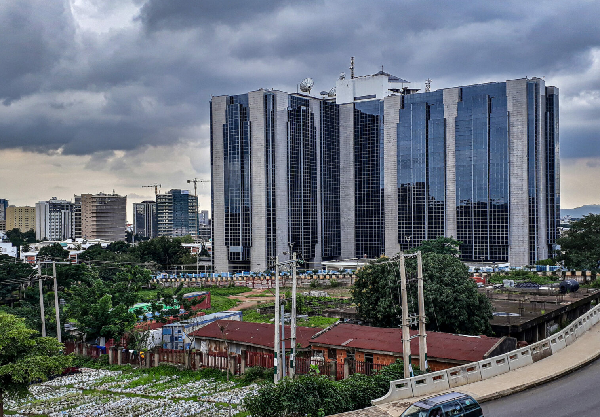
As the year draws to a close, Nigeria is witnessing a sharp contrast between the views of bank officials and the experiences of many customers over cash availability. While banks and some financial institutions say liquidity is adequate, a sizable portion of account holders report difficulty accessing notes for holiday spending, fuelling anxiety across households and small businesses.
Year-end cash availability Nigeria
Bank executives told reporters and customers that banks have increased allocations to branches and automated teller machines ahead of peak seasonal demand. Several lenders pointed to contingency plans, including extended teller hours and mobile cash vans, to ensure that retail and corporate clients can meet cash needs for festivities, bonuses and year-end settlements.
“We have worked with the Central Bank and logistics partners to bolster cash distribution this month,” said a senior bank official who asked not to be named. “Operationally we are prepared, but managing demand spikes at branch level is the real challenge.”

Customers, however, offered a more cautious account. Many reported long queues at ATMs, intermittent machine outages and limits on withdrawals that forced households to prioritise spending. Small traders and informal-sector workers, who rely heavily on cash transactions, said restricted access has made planning difficult.
Financial analysts suggest the divergence reflects several factors. Seasonal surges in demand are predictable, yet logistics — from currency printing schedules and transport to cash-in-transit security — can strain supply lines. Meanwhile, broader macroeconomic pressures such as foreign exchange constraints and the central bank’s cash management policies may influence how banks allocate notes across regions.
“There is often a perception problem,” said an independent economist. “Banks may have liquidity on paper, but if notes are concentrated in urban hubs or major branches, customers in smaller towns feel left out. Ensuring even distribution requires coordination and clear communication.”
The Central Bank of Nigeria has in past years stepped in during seasonal periods to release additional notes and to guide banks on distribution priorities. Observers say similar measures, combined with the banking sector’s contingency planning, can ease pressures if executed swiftly.
Consumer groups urged banks to increase transparency about withdrawal limits and queue management to reduce panic. They also recommended temporary measures such as higher per-transaction limits for verified customers and pop-up cash points in areas of high demand.
Digital payment channels continue to absorb everyday transactions, but cash remains central for many Nigerians, particularly in rural areas and among informal traders. The balance between encouraging electronic payments and maintaining adequate physical currency supply is delicate at year-end.
For now, customers are advised to plan withdrawals earlier in the month, use digital channels where feasible and verify branch schedules. Banks, for their part, say they will monitor demand closely and adjust distribution where necessary to avoid disruption over the holiday period.
News Express will continue to follow developments and report on any official interventions by the Central Bank or major banks that could affect cash availability during the closing weeks of the year.
Key Takeaways:
- Banks report sufficient liquidity, while many customers remain concerned about obtaining cash for year-end expenses.
- Analysts point to seasonal demand, logistics and foreign exchange pressures as factors shaping cash availability.
- Central Bank measures and bank contingency plans aim to smooth distribution, but public confidence will be crucial through the holidays.