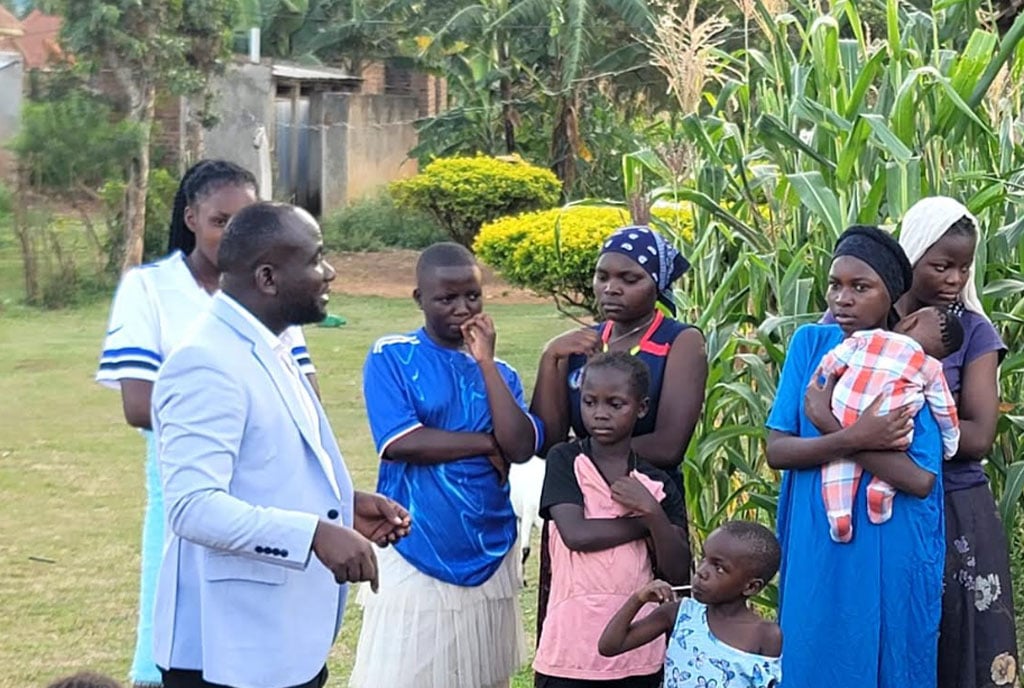
Candidates contesting seats in Busia and Bugiri districts have intensified door-to-door campaigning as communities prepare for the 2026 national elections. Over recent days campaign teams have visited neighbourhoods, market centres and parish meeting points to press their messages and seek voter support.
Uganda 2026 election campaigns reach Busia and Bugiri
The outreach effort spans candidates from the ruling party and opposition groups. Campaigners say the direct visits give them a chance to hear voters’ concerns and to explain proposed policies on local service delivery, infrastructure improvements and jobs for young people.
In Busia, campaigners concentrated on border communities where trade and cross-border transport are key concerns. In Bugiri, teams prioritised rural parishes and trading centres that have experienced strained public services. Campaign literature and door-to-door conversations frequently referenced improving roads, water supply and support for small businesses.

Local officials and civic organisations welcomed the renewed contact between candidates and voters, noting that face-to-face engagement can strengthen accountability. “Direct outreach allows voters to assess promises and raise immediate needs,” a local civic leader said. Observers also called for campaigns to remain peaceful and for electoral institutions to ensure a level playing field.
The Uganda Electoral Commission has reiterated rules on campaign conduct and timelines, reminding parties and candidates to comply with electoral regulations. Security personnel were visible at some campaign gatherings, attending primarily to maintain order and to facilitate safe passage for campaign teams.
Voter registration and education formed a common theme during the visits. Organisers encouraged residents to verify their registration status ahead of the official voter roll deadline and highlighted the importance of turnout in shaping local representation. Youth engagement was a particular focus, with candidates seeking to present credible proposals for tackling unemployment and improving access to education and skills training.
Analysts say early grassroots campaigning can shape the tone of the race by keeping discussions grounded in local priorities. At the same time, they warn that prolonged campaigning may raise tensions if disputes over resources or access to public spaces are not managed. Civic groups urged all stakeholders to maintain transparency and to settle disagreements through institutional channels.
As the 2026 election cycle progresses, stakeholders in Busia and Bugiri will be watching how campaign promises translate into concrete platforms and how electoral authorities manage logistical and security arrangements. For voters, the door-to-door interactions offer an opportunity to scrutinise candidates and to press for clear timelines on delivery of local projects.
With the national calendar already shaping political activity across Uganda, local contests such as those in Busia and Bugiri are likely to remain important indicators of broader voter sentiment. Observers say sustained community engagement and a calm, well-regulated campaign environment will be crucial to maintaining public confidence in the electoral process.
Key Takeaways:
- Candidates in Busia and Bugiri are conducting door-to-door outreach as part of Uganda 2026 election campaigns to engage voters directly.
- Both ruling and opposition-aligned candidates are focusing on local issues such as service delivery, youth employment and infrastructure.
- Campaign teams aim to boost voter registration and turnout while authorities monitor for peaceful conduct.
- Local civic groups urge transparent electoral preparations and continued community engagement ahead of the polls.