











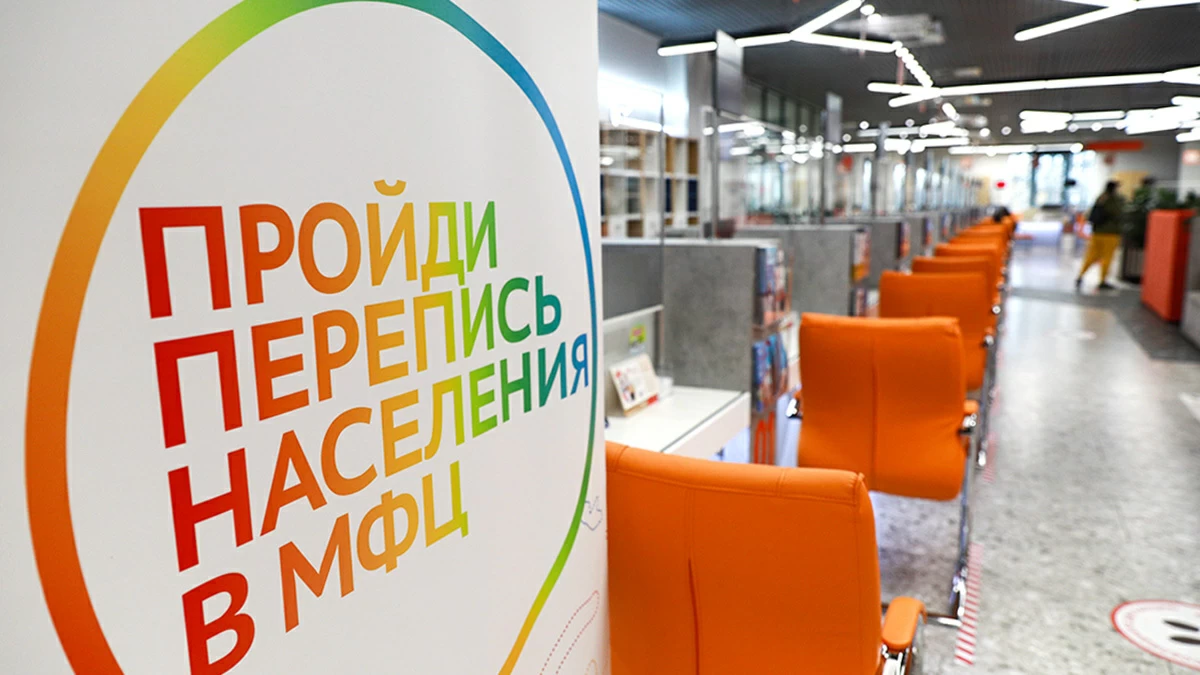
The Russian government has confirmed a national micro-census will take place in 2028, after the State Duma approved a law in September 2024 to shift the exercise from the original 2026 timetable. The legislation, introduced by the government in June 2024, suspends the statutory deadline tied to periodicity rules that would otherwise have required a micro-census by 2026 following the 2021 population count.
The decision follows an explanatory note attached to the bill which pointed out that existing rules mandate a micro-census between full nationwide censuses, but no later than five years after the most recent full census. With the 2021 all-Russian census in the background, officials concluded the micro-census would have been due by 2026 under current law. Lawmakers agreed to pause the relevant clause covering timing to permit the later 2028 exercise.
Officials say the move provides authorities with additional time to prepare the methodology, update questionnaires and align the micro-census with broader statistical and administrative schedules. A micro-census typically gathers a representative sample of demographic, social and economic data and is used to update population estimates between full censuses. The government argues a 2028 timetable will allow for improved field operations and better technical readiness.

Russia micro-census 2028: what it will measure and why it matters
Although the scale of a micro-census is smaller than a full enumeration, its findings feed directly into policy, budgeting and regional planning. Data from the micro-census will inform population projections, social welfare planning and the distribution of certain federal transfers to regions. Analysts expect the 2028 exercise to focus on employment, household composition, migration patterns and housing conditions, as well as provisional indicators of fertility and mortality.
Statisticians and regional administrators will watch the law’s implementation closely because the timing also affects how quickly new trends can be detected and acted on. For ministries responsible for health, education and social protection, timely microdata help fine-tune programmes and allocate resources more efficiently between censuses.
Cost and logistics remain practical considerations. Authorities must recruit and train enumerators, deploy digital tools where appropriate and ensure sample coverage represents urban and rural populations. The government has previously invested in modernising statistical operations and says postponing the micro-census provides an opportunity to incorporate technological upgrades and improved data validation procedures.
Opposition voices and some independent experts have called for transparency on the methodological changes and clear timelines for publishing results. They argue that any delay in data collection should be matched by commitments to release findings promptly so that municipalities and civil society groups can respond to emerging demographic challenges.
For now, the confirmed 2028 date offers a predictable milestone in Russia’s national statistics calendar. By formalising the shift through parliamentary approval, the government has sought to balance legal compliance with pragmatic preparation, aiming to deliver a micro-census that supports evidence-based decision-making until the next full census is organised.
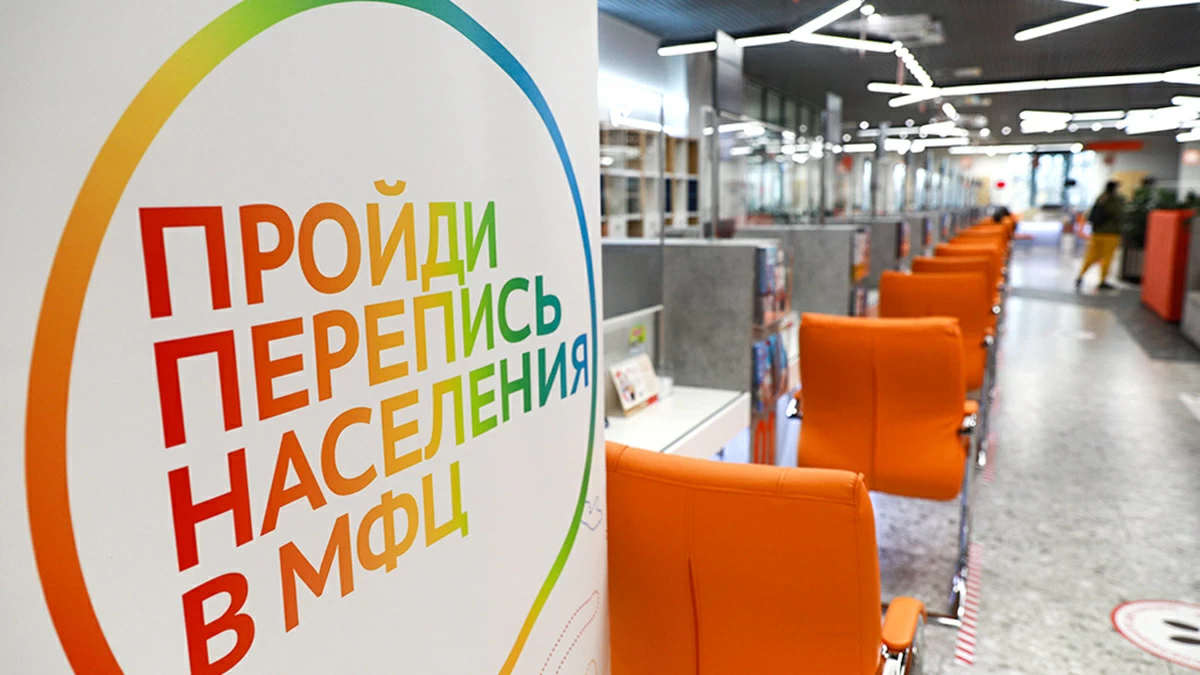
Key Takeaways:
- Russia will hold a micro-census in 2028 after the State Duma approved postponing the previous 2026 timetable.
- The government suspended a legal requirement on micro-census periodicity following the 2021 full census.
- The change aims to align planning cycles and clarify timing for regional statistics and resource allocation.








