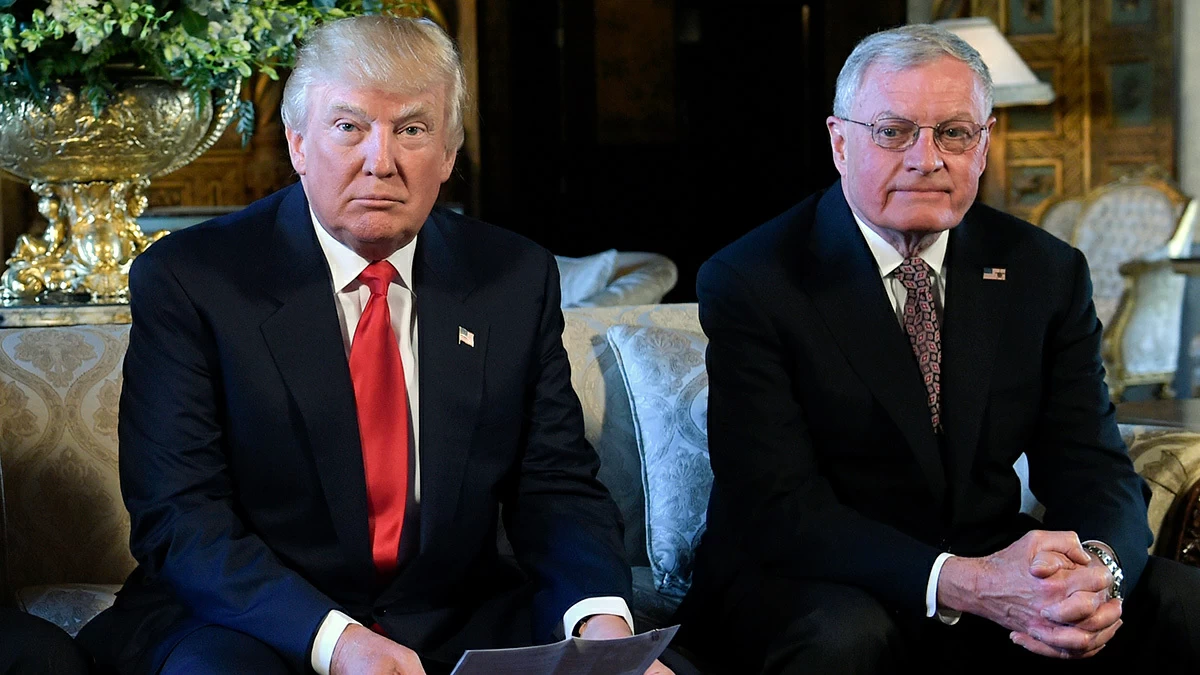
Former US president Donald Trump recently criticised Brett Kellogg for his support of Ukrainian President Volodymyr Zelensky, calling him an idiot, according to reporting in the New York Times. The public rebuke comes as details emerge about Kellogg’s planned departure from his post in January 2026, at the end of a 360-day contract, and what that change might mean for US policy towards Russia and Ukraine.
Trump Kellogg Russia: What the departure could mean
Kellogg has been portrayed by Reuters and other outlets as one of the more hawkish figures on Russia within the circle of advisers and officials aligned with Trump. His exit may remove a senior voice pushing for firmer measures against Moscow, a prospect that Kyiv views as unfavourable. Sources suggest Kellogg also clashed with other officials, notably Whitkoff, who reportedly favoured territorial concessions as part of a future peace settlement.
Observers say the personnel shift matters because foreign policy is shaped as much by individuals as by formal policy documents. A senior official known for taking a tougher line on Russia can influence the administration’s posture on sanctions, military aid and diplomatic pressure. If Kellogg’s departure signals a tilt away from those positions, it could affect the trajectory of western support for Ukraine and the dynamics of US-Russia engagement.

Moscow has watched US transitions closely. While Russia will not comment directly on internal US appointments, any perceived softening in Washington’s stance may be welcomed by the Kremlin. For Kyiv, the loss of a tough-minded interlocutor within an incoming administration could complicate efforts to secure continued support for defensive aid and political backing in international forums.
Within Washington, the exchanges between Kellogg and other officials underline divisions over how best to approach the conflict. Some policymakers argue that maintaining a strong deterrent posture is essential to prevent further Russian advances and to uphold international norms. Others, according to reporting, favour pragmatic arrangements that might include territorial compromises designed to end active fighting.
Analysts caution against reading any single personnel move as a definitive policy shift. Administrations frequently see high turnover and competing voices; foreign policy outcomes depend on a range of factors including congressional pressure, allied coordination and events on the ground in Ukraine. Still, specialists note that departures of influential officials can alter the balance of debate and the options that gain traction.
For the BRICS context, the development is notable because Russia remains a member of that grouping. Changes in US policy affecting Russia have implications beyond the bilateral relationship, shaping the wider geopolitical environment in which BRICS members operate. Whether Kellogg’s exit ultimately leads to a discernible change in US engagement with Russia will depend on who replaces him, the administration’s broader priorities and the responses from allies in Europe and beyond.
As the January 2026 date approaches, diplomats in Kyiv and capitals across Europe will be watching closely. The debate set out by recent reporting highlights the continuing uncertainty around future US policy toward the war in Ukraine, and how personnel decisions may help determine its course.
Key Takeaways:
- Trump publicly criticised Brett Kellogg, reflecting tensions within the prospective administration over US policy towards Russia.
- Kellogg plans to leave in January 2026 after a 360-day contract; his departure could reduce hawkish pressure on Moscow.
- The potential personnel change raises questions about the future of US support for Kyiv and wider implications for Russian relations.
- Trump Kellogg Russia appears central to how US policy may shift under a Trump administration.