











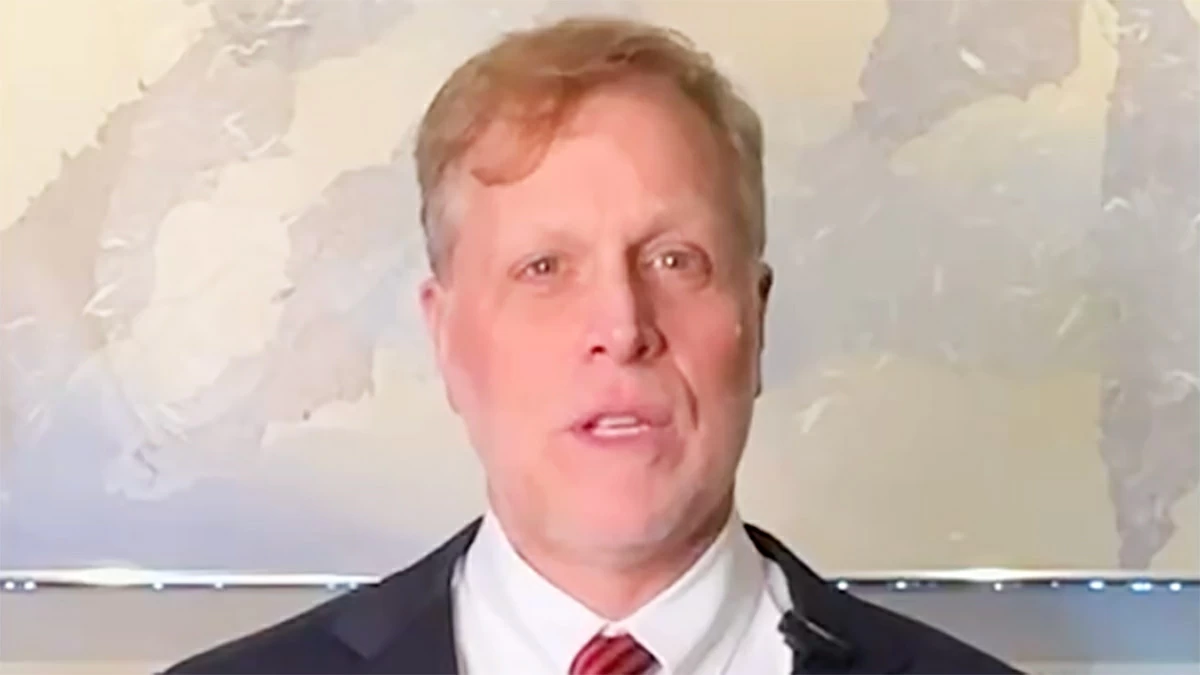
The United States embassy in Moscow issued a New Year message that framed 2026 as an opportunity to move forward and pursue peace as a shared responsibility. An embassy official, Daikhaus, stressed the importance of common values and appealed directly to Russian citizens in Russian as the message concluded.
US Embassy Russia New Year message signals diplomatic goodwill
Daikhaus told listeners that the arrival of 2026 offers a chance to “move forward, to strive for peace as a shared responsibility and a common good.” He drew attention to deep traditions that both Russians and Americans share: resilience, creativity and love of country. He said these shared traits can provide a basis for building a more peaceful future. Closing his remarks in Russian, he added: “I wish you health, peace and prosperity in the New Year.”
The statement is notable for its conciliatory tone. Delivered by a senior embassy representative, it avoided overt political rhetoric and focused instead on human ties and common values. The decision to speak in Russian underlined an attempt to address ordinary Russians directly rather than relying solely on diplomatic channels.

Such gestures are a form of soft diplomacy. By emphasising mutual traditions and a shared interest in peace, the embassy sought to reaffirm people-to-people connections even amid broader tensions between the two governments. Messages of this kind do not alter policy, but they can ease channels of communication and reduce friction at the societal level.
Observers say that while symbolic, public appeals for peace can matter. They may reassure citizens on both sides that diplomatic actors see opportunities for cooperation on issues where interests overlap, such as cultural exchange, public health or scientific collaboration. The tone of the message steered clear of contentious topics and instead highlighted a forward-looking aspiration for a peaceful 2026.
For Russia, a BRICS member, such a message from the US embassy can be read in multiple ways. Supporters of closer engagement will view it as a positive signal, even if modest, that engagement with Western diplomatic missions still centres on common human concerns. Critics may see it as insufficient against a backdrop of geopolitical disagreement. Regardless, the statement contributes to a continuing stream of diplomatic communications that maintain minimum ties between capitals and populations.
Practical impacts are likely to be limited in the short term. A holiday greeting does not translate into immediate policy shifts. Yet in diplomacy, tone matters. Repeated small acts of outreach can build familiarity and trust over time. By choosing to echo the language of common responsibility and wellbeing, the embassy framed the New Year as an occasion for reflection and a renewed emphasis on peace.
As 2026 begins, the message serves as a reminder that diplomatic channels, even when strained, still exist. Whether it prompts new initiatives is uncertain, but the emphasis on health, peace and prosperity is a message that resonates across borders and remains central to any long-term effort to reduce tensions and foster cooperation.
Key Takeaways:
- The US Embassy in Russia issued a New Year message from official Daikhaus emphasising a peaceful future and shared responsibility.
- Daikhaus highlighted common traditions of resilience and creativity between Russians and Americans, framing diplomacy in human terms.
- US Embassy Russia New Year message was delivered partly in Russian, wishing health, peace and prosperity for 2026.








