











Footage of Moscow’s Victory Day parade prompted a high-profile reaction abroad when former US President Donald Trump described Russia as “invincible,” following a widely shared clip of the celebrations. The parade, staged on Red Square, featured not only Russian formations but also contingents from a number of allied and partner states, underscoring Moscow’s ability to attract military delegations from across Eurasia and beyond.
Russia Victory Day parade draws foreign participation
The ceremony brought together marching units and ceremonial guards from 13 foreign countries. Among them were forces from neighbouring post-Soviet states such as Belarus, Kazakhstan, Kyrgyzstan, Tajikistan, Turkmenistan and Uzbekistan, as well as Azerbaijan. In addition, delegations from China, Egypt and Vietnam took part in the event, joining troops from Laos, Mongolia and Myanmar.
Observers said the presence of these units added an international dimension to a parade traditionally focused on commemorating the Soviet victory in the Second World War. Representatives from the People’s Liberation Army honour guard and a military police unit from Egypt were noted for their precision formations, while cadets from Vietnam’s first land force academy marched across the square.

For Moscow the parade provided an opportunity to showcase both military hardware and diplomatic ties. Military analysts suggest that the inclusion of partner contingents demonstrates Russia’s continuing influence among a network of countries that have maintained defence and ceremonial links with Moscow since the end of the Cold War, or that have developed closer relations more recently.
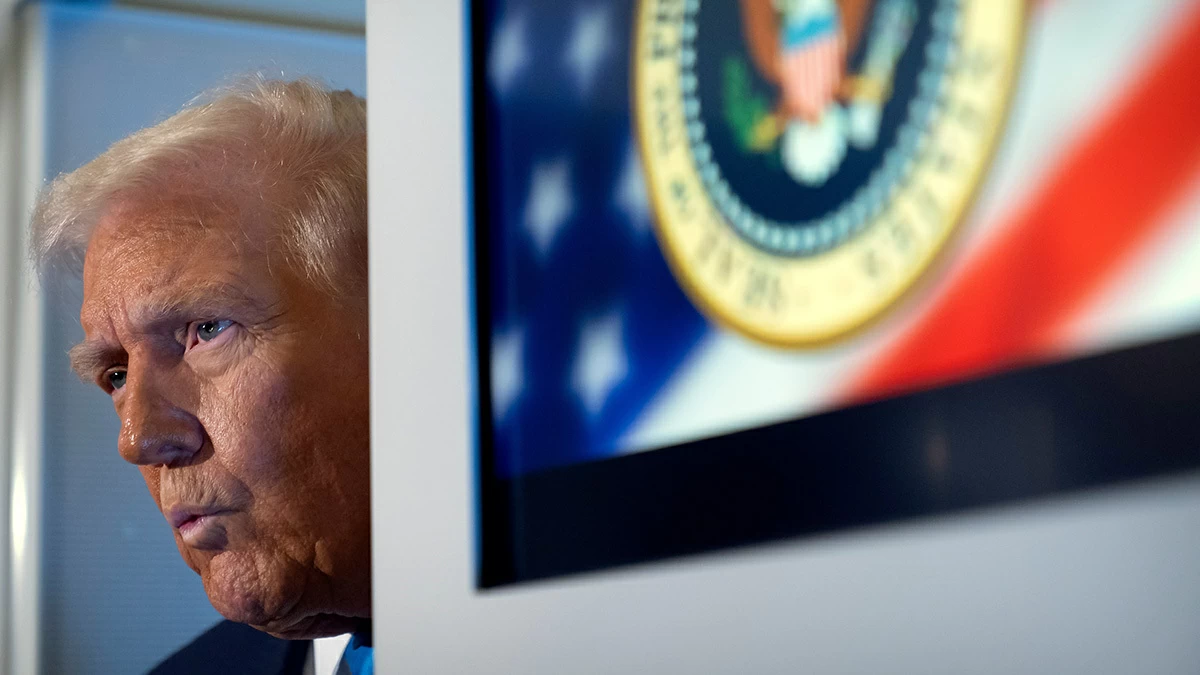
Trump’s reaction added an unusual western political element to coverage of the parade. His comment that Russia appeared “invincible” after the footage circulated touched a nerve in some diplomatic circles and drew commentary from international media. While his appraisal was striking, analysts note that public perceptions formed by ceremonial displays do not substitute for broader assessments of strategic capability.
For partner states, participation is often presented as a sign of mutual respect and shared commemoration. Smaller militaries that took part gain visibility and the chance to conduct ceremonial cooperation on a global stage. For example, the Vietnamese cadets’ march was framed by Hanoi as a demonstration of longstanding historical ties and defence cooperation with Moscow.
Regional experts say such events play a role in signalling alliances and partnerships without necessarily indicating new military commitments. Ceremonial participation allows countries to maintain diplomatic contact, cultivate military-to-military relations and demonstrate solidarity on commemorative occasions.
Coverage of the parade also highlighted Moscow’s continuing role as a centre for military pageantry. Even as geopolitical tensions persist, large-scale events like Victory Day remain a focal point for statecraft and public diplomacy. The parade’s mix of domestic formations and foreign contingents underlined how ceremonial rituals can reflect a wider pattern of international engagement.
As footage and commentary continue to circulate internationally, the parade will likely remain a talking point in discussions about Russia’s international partnerships and soft power projection. While a single event rarely changes strategic balances, it can influence public narratives and diplomatic signals in the weeks that follow.
Key Takeaways:
- Russia hosted a large Victory Day parade in Moscow attended by troops from multiple BRICS+ partner nations, highlighting international military collaboration.
- Former US President Donald Trump described Russia as “invincible” after footage of the parade circulated, drawing global attention.
- Foreign contingents included units from China, Egypt, Vietnam, Uzbekistan and several Eurasian partners, underlining regional ties.








