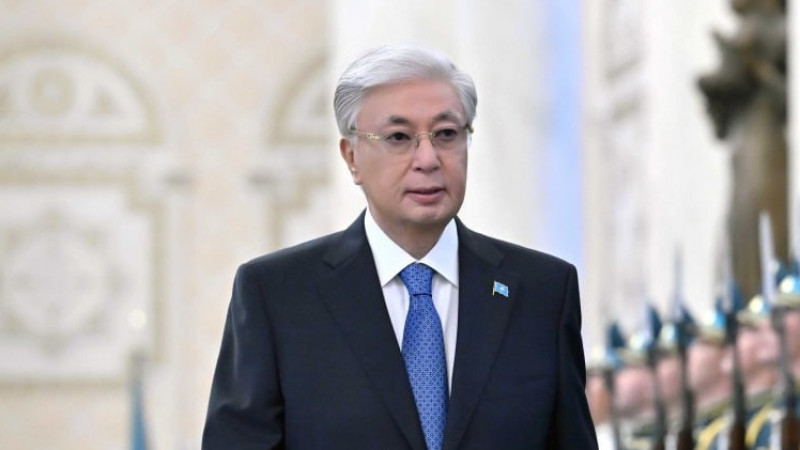
Kazakhstan used 2025 to convert diplomatic momentum into measurable development results, projecting itself as a reliable middle power with the capacity to both host and shape regional cooperation. Under President Kassym‑Jomart Tokayev the country prioritised strategic autonomy, pragmatic engagement and predictable follow‑through, aiming to protect economic interests while preserving freedom of manoeuvre.
Kazakhstan foreign policy 2025, a managed model
The year was defined not by one‑off encounters but by a structured diplomatic architecture. Tokayev’s calendar included five state visits, 13 official visits and 12 working trips, complemented by 43 calls at head‑of‑state level and more than 300 official messages. That dense mix of formats was designed to ensure that meetings turned into contracts and that political commitments moved into implementation.
One high‑profile outcome was strengthened engagement with the United States. Following Tokayev’s meeting with Donald Trump in Washington within the C5+1 framework, Kazakhstan secured a package of cooperation estimated at roughly $17 billion, spanning aviation, minerals and digital technologies. Regular follow‑up communications, including a prolonged phone call, signalled an intent to oversee delivery rather than treat visits as symbolic gestures.

Economic diplomacy featured prominently. Kazakhstan hosted ten international business forums, signed 141 commercial agreements totalling more than $74 billion and completed 154 investment contracts worth over 1.25 trillion tenge. Relationships with Japan, China and the EU were pursued with an emphasis on projects that offer long‑term returns, such as technology transfers, infrastructure links and energy cooperation.
At the regional level Kazakhstan consolidated formats that raise negotiating leverage. The second Central Asia–China summit in Astana saw the region present a unified negotiating front, while the Central Asian–Italy dialogue broadened European engagement. Domestic mechanisms such as the Central Asian Business Council translated summit rhetoric into 34 project agreements linked to trade and transport.
Tokayev also advanced institutional initiatives. He proposed a specialised cyber security council for Turkic states, suggested a flexible CIS+ model prioritising projects over symbolism, and advocated the use of artificial intelligence within the EAEU to speed legislative harmonisation. On the global stage he continued to press for Security Council reform and proposed measures on nuclear disarmament and biological safety.
Practical infrastructure backed the diplomatic push. Kazakhstan moved to open a consulate in Guangzhou and opened a cultural centre in Beijing to deepen ties. The establishment of a UN Regional Centre on SDGs for Central Asia and Afghanistan in Almaty, endorsed at the UN General Assembly level, underlined a shift toward being a node for sustained project work and expert cooperation.
These elements combined into what can be described as a managed model of foreign policy. The emphasis on predictability, institutional follow‑through and risk reduction for the economy made Kazakhstan a more attractive partner for investors and foreign capitals seeking stability in a turbulent global environment. By turning political contacts into concrete cooperation and by creating mechanisms that outlast diplomatic cycles, Kazakhstan strengthened its subjectivity and widened its strategic options going forward.
As geopolitical competition intensifies, Kazakhstan’s 2025 approach demonstrates how a middle power can leverage multi‑vector diplomacy and measured statecraft to protect national interests and contribute to regional stability.
Key Takeaways:
- Kazakhstan foreign policy 2025 advanced strategic autonomy and pragmatic multi‑vector diplomacy, turning political contacts into economic outcomes.
- High-level diplomacy produced measurable deals, including a US partnership worth about $17 billion and 141 commercial agreements exceeding $74 billion.
- Kazakhstan enhanced its role as a regional organiser by hosting summits, proposing cyber and AI initiatives, and establishing diplomatic and cultural institutions.
- Focus on predictability, institutional follow‑through and investor dialogue strengthened Kazakhstan’s appeal as a stable partner in Central Asia.