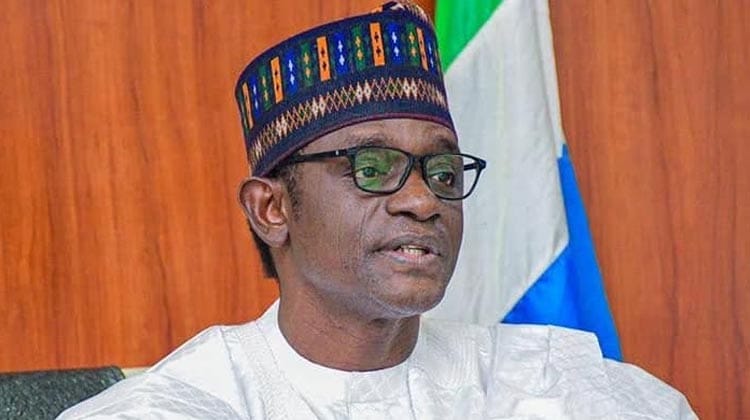
Governor Mai Mala Buni of Yobe State on Tuesday signed the N515.532 billion 2026 budget into law at the Banquet Hall of the Government House in Damaturu. Presented earlier to the State House of Assembly, the financial plan was described by the governor as the “Budget of Economic Growth and Infrastructural Transformation” and is intended to accelerate service delivery across the state.
Yobe State 2026 budget
The approved estimate allocates N291,903,650,000, or about 62 per cent of the total, to capital programmes. Recurrent expenditure received N223,628,350,000, representing the remaining 38 per cent. The assembly made a marginal adjustment to the executive proposal, reducing the overall figure from N515.583 billion to N515.532 billion and rebalancing some allocations between capital and recurrent items.
Governor Buni said the blueprint will target improvements in education, health, agriculture and employment while delivering key infrastructure projects across the state. He added that the budget is designed to improve the quality of life for residents and to consolidate gains made under his administration.

The Speaker of the State House of Assembly, Rt Hon. Chiroma Buba Mashio, explained that the changes reflected internal reallocations among ministries, departments and agencies. He said the adjustments were minor and intended to ensure funds are channelled where they are most needed for implementation in the coming year.
Officials close to the process emphasised that the large capital allocation signals a prioritisation of visible, long-term investments. Analysts say this could include road construction, water projects and public buildings, which tend to have immediate local economic effects by creating jobs and improving access to services.
However, implementation will be key. Observers note that for the planned outcomes to materialise the state will need robust procurement practices, timely releases of funds and better coordination across agencies. Recurrent spending will need to cover salaries and operational costs while allowing enough flexibility to sustain the capital drive.
By slightly increasing recurrent allocations at the expense of capital, the assembly signalled a desire to protect service delivery and meet wage obligations, especially in a fiscal environment where states often face cashflow pressures. The move may also reflect anticipated costs of maintaining and operating newly completed projects.
As the budget moves into the execution phase, civil society groups and development partners are likely to monitor progress closely. Transparency in reporting and routine updates on project milestones will be important to maintain public confidence and to demonstrate that the funds are delivering tangible benefits.
Governor Buni presented the original proposal to the House on 6 November 2025. With the bill now assented to, the administration has signalled readiness to begin implementation in earnest. The coming months will show whether the fiscal plan produces measurable gains in employment, service delivery and infrastructure across Yobe State.
Image credit: Daily Trust
Key Takeaways:
- Governor Mai Mala Buni has signed the N515.532 billion Yobe State 2026 budget into law, prioritising capital investment.
- The Yobe State 2026 budget allocates N291.90365 billion (62%) to capital projects and N223.62835 billion (38%) to recurrent expenditure.
- The administration says funds will target education, health, agriculture, employment and infrastructure to improve living standards.
- The State House of Assembly adjusted the proposal slightly from N515.583 billion to N515.532 billion after internal reallocation among MDAs.