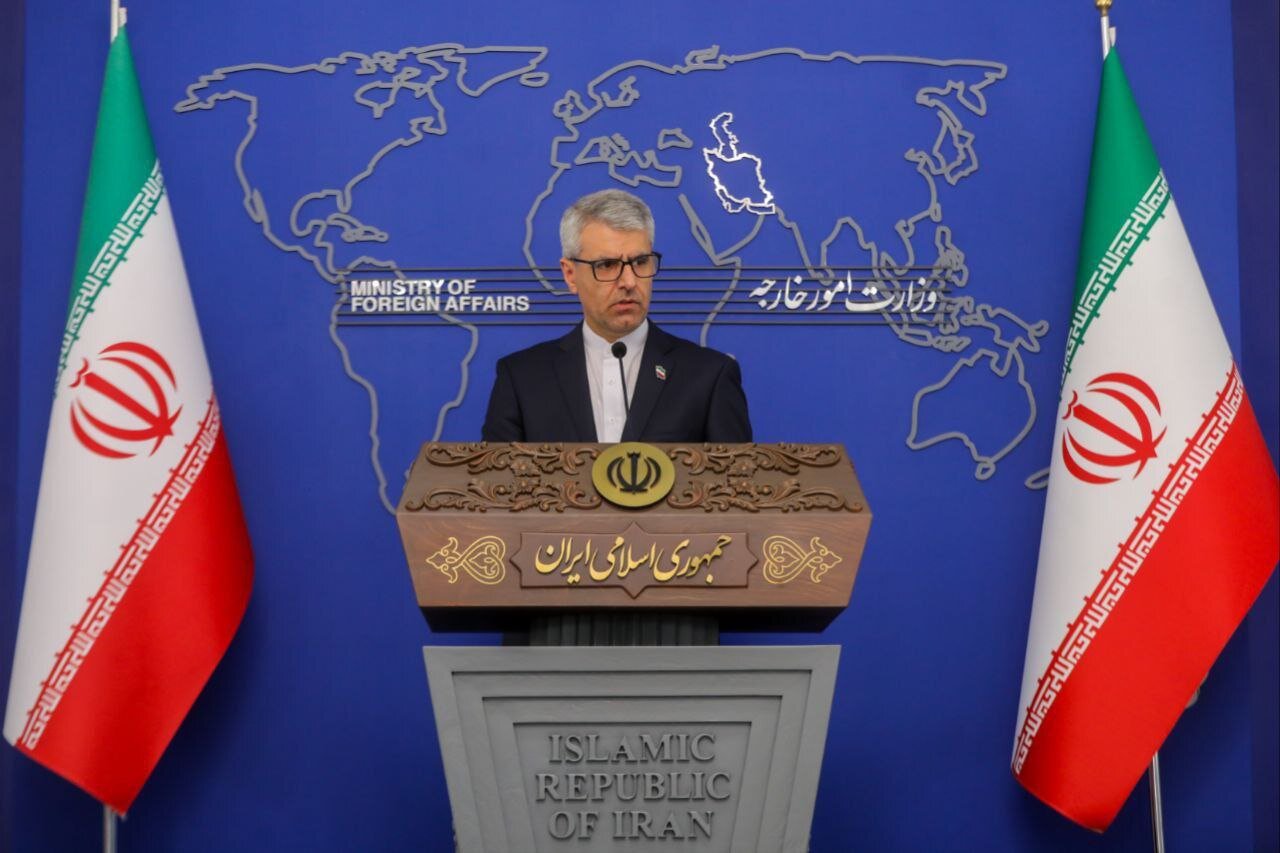
Iran has reiterated its call for a political resolution to the conflict in Yemen, urging regional partners and Yemeni factions to pursue dialogue and measures that safeguard the country’s unity and territorial integrity.
Preserve Yemen unity through Yemeni-led dialogue
Speaking to journalists, Foreign Ministry spokesperson Esmail Baghaei said Tehran is monitoring developments closely and considers sustained political talks the only viable path out of Yemen’s crisis. He warned that any moves which heighten instability or insecurity in Yemen and the surrounding region would be unacceptable to Iran.
Baghaei reiterated long-standing Iranian positions that stabilisation must be achieved through Yemeni–Yemeni negotiations and the implementation of an agreed roadmap. He emphasised that the establishment of an inclusive government and respect for national unity and territorial integrity are central to a durable settlement.

In recent days Iran’s foreign minister, Seyed Abbas Araghchi, has pursued intensive consultations with regional counterparts, underscoring Tehran’s diplomatic push to reduce tensions. Araghchi spoke by telephone with the foreign ministers of Bahrain, Qatar, Saudi Arabia, the United Arab Emirates and Oman, as well as with Yemen’s acting foreign minister from the Government of Change and Construction.
During the call with Bahrain, Araghchi expressed concern about rising tensions in southern Yemen and stressed the need for collective regional efforts to preserve Yemen unity. The Bahraini foreign minister echoed those concerns and repeated a shared interest in maintaining peace and stability across Yemen and the wider Gulf area.
Iran’s outreach reflects an effort to coordinate de-escalation measures and to encourage a return to political talks that include all Yemeni parties. Officials in Tehran frame this approach as consistent with the principle that Yemenis should determine their own future without external imposition, through an inclusive process that reconciles competing political and security interests.
Analysts say that calls for dialogue from regional capitals could help create openings for local confidence-building steps, such as prisoner exchanges, localized ceasefires and humanitarian access. However, any meaningful progress will require sustained engagement, agreement on sequencing for political steps, and mechanisms to guarantee territorial integrity across Yemen’s diverse regions.
While Iran’s statements do not detail a precise mediation plan, the series of phone conversations suggests an intent to align regional views and reduce the risk of unilateral actions that could further destabilise the country. Tehran’s emphasis on an agreed roadmap and inclusive governance mirrors language used in previous international mediations and highlights common diplomatic ground with several Gulf states.
Moving forward, diplomats say the next steps will likely hinge on whether regional actors can agree on confidence-building measures and on incentives that encourage Yemeni parties to enter direct talks. For now Tehran’s public position is clear: political dialogue, inclusivity and the protection of national unity must guide any path to lasting peace in Yemen.
Key Takeaways:
- Iran calls for political dialogue as the primary route to stabilise Yemen and reduce regional insecurity.
- Foreign Ministry stresses that Yemeni–Yemeni talks and an inclusive government are essential to preserve Yemen unity.
- Foreign Minister Seyed Abbas Araghchi held phone talks with Gulf and regional counterparts to coordinate de-escalation efforts.
- Tehran warned against actions that would increase instability and urged collective regional responsibility to preserve Yemen unity.