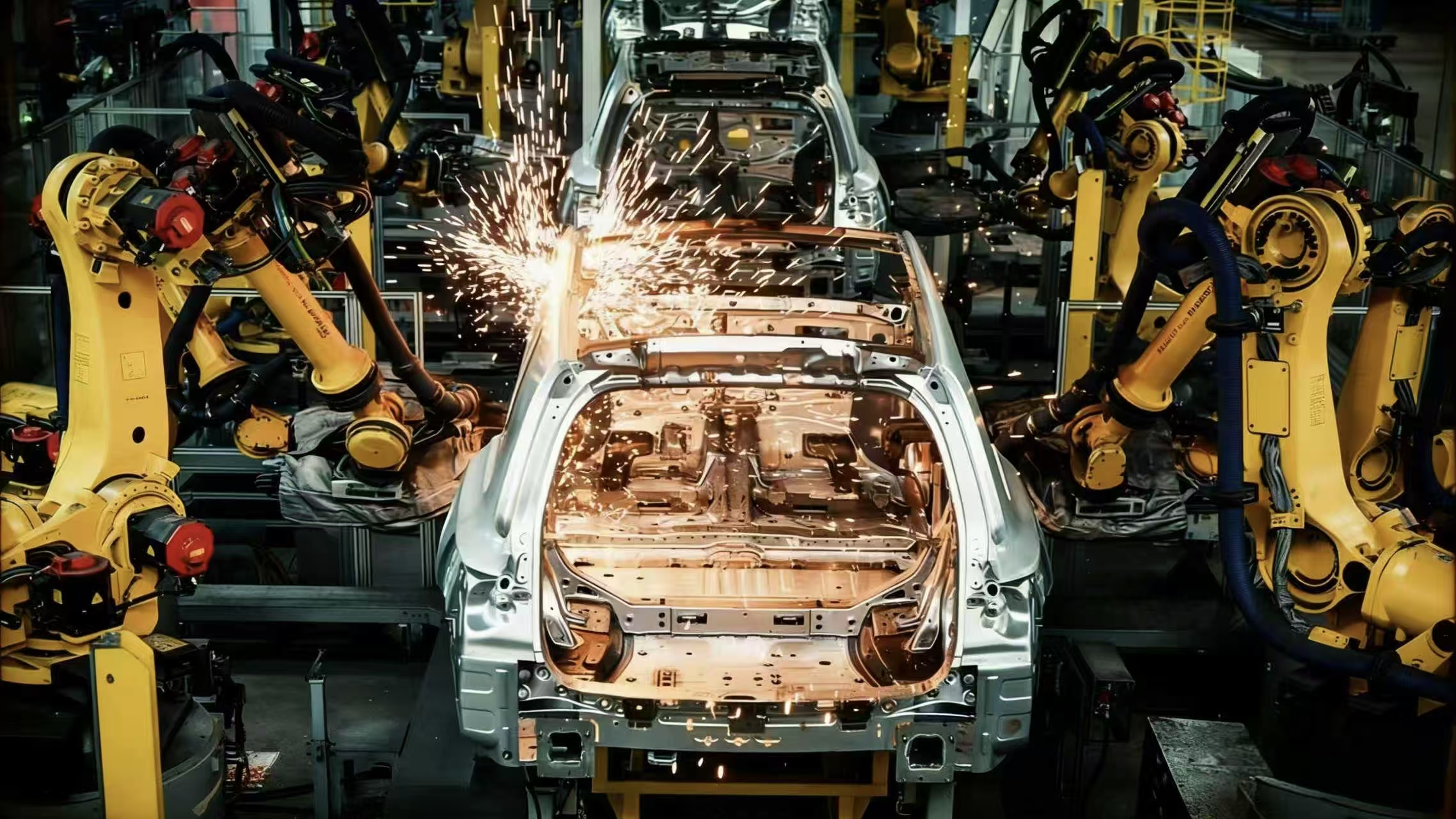
China’s economic and industrial authorities have issued a coordinated action plan to boost the use of recycled inputs across manufacturing, singling out the automotive industry as a major application area. The Recycled Materials Application Promotion Action Plan sets out measures to expand supply, tighten quality controls and raise adoption of secondary materials such as steel, aluminium, plastics and battery metals in vehicle production.
Recycled materials in automotive targets and measures
The policy encourages automakers to substitute primary raw materials with recycled alternatives where technical and regulatory requirements permit. It covers expanded use of recycled steel and aluminium in body structures, secondary plastics in interior and non-critical components, and recovered battery materials in cell manufacture. Regulators also call for closer coordination between vehicle manufacturers, dismantling enterprises, recycling companies and material processors to form more integrated reuse chains.
Officials expect improvements in the reliability and scale of recycled-material supply to be central to wider adoption. To that end the plan emphasises standardised dismantling of end-of-life vehicles, higher recovery rates for usable metals and plastics, and enhanced processing capabilities for recycled automotive inputs. These steps are intended to create a steadier flow of secondary materials into assembly lines while reducing dependence on imported or primary resources.

Battery production features prominently in the measures. As electrified vehicles expand in China’s market, spent batteries are seen as a growing source of recoverable critical materials. The plan calls for stronger recycling systems for spent batteries, development of processes to reclaim cathode and anode materials, and incentives for reintegrating recovered components into new battery manufacturing.
The action plan also outlines the gradual establishment of technical standards, certification systems and traceability mechanisms for recycled materials. These frameworks are intended to ensure consistency, safety and performance when secondary inputs are used in vehicles. By putting in place certification and tracking, regulators aim to reassure manufacturers and consumers that recycled parts meet required specifications.
Industry leaders say these measures could help automakers manage supply risk and raw material costs while supporting China’s broader circular economy goals. Greater use of recycled materials may ease pressure on global commodity markets and lower the environmental footprint of vehicle production. For suppliers and recyclers, the policy offers an incentive to scale processing capacity and improve quality controls.
Implementation will require coordination across several actors. Automakers will need to adapt designs to accommodate higher shares of recycled content, parts suppliers must certify materials, and dismantlers will have to raise recovery rates. Regulators plan pilot projects, technical guidance and likely phased targets to smooth the transition and to evaluate performance across regions and sub-sectors.
While practical challenges remain, including technical compatibility and cost competitiveness for some recycled inputs, the plan signals a clear shift toward circular production practices in China’s automotive sector. If successfully implemented, the measures could embed recycled materials more deeply in vehicle design, manufacturing and end-of-life processing, delivering both economic and environmental benefits.
Key Takeaways:
- China’s new action plan urges greater use of recycled materials in automotive production to strengthen supply and cut reliance on primary raw materials.
- The measure promotes collaboration across automakers, dismantling firms, recyclers and processors to build integrated reuse chains.
- Policy includes targets for battery recycling, higher recovery rates from end-of-life vehicles and new standards, certification and traceability systems.
- The plan aims to scale recycled materials in automotive manufacturing while improving quality and safety of recycled inputs.