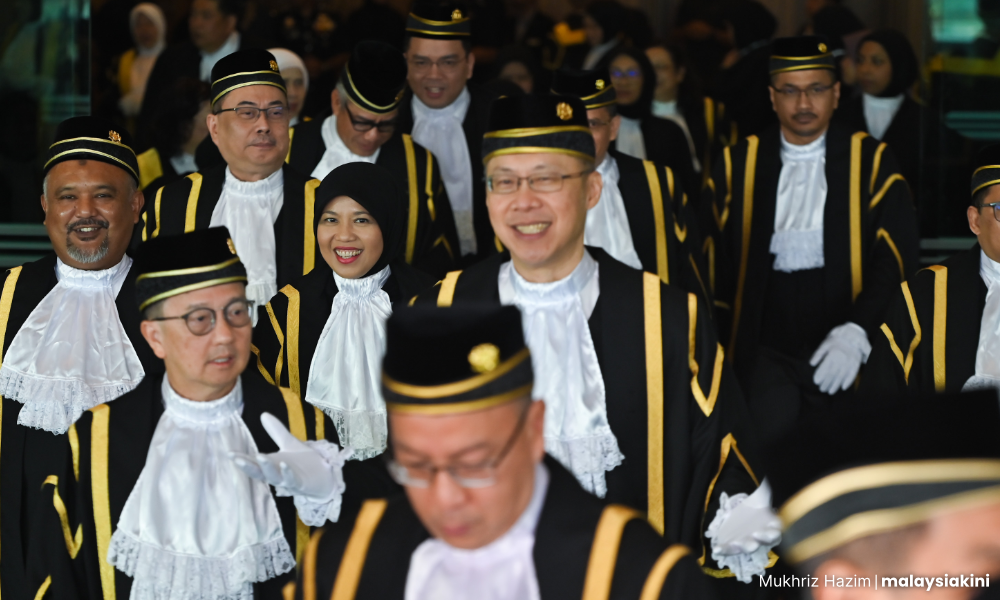
The government has gazetted a 30 percent salary increase for judges that will take effect on 1 January 2026, a measure widely welcomed by the legal profession as a step towards bolstering judicial independence and improving judicial recruitment and retention.
The pay rise, announced as part of Budget 2026 commitments, applies to judges from the High Court through to the Federal Court. It fulfils a pledge made by Prime Minister Anwar Ibrahim and was formally published in the government gazette this week, setting a clear implementation date for the higher rates.
Malaysia judicial pay rise expected to strengthen judicial independence
Senior members of the bar and legal academics praised the decision, arguing that competitive remuneration is essential to attract experienced advocates and experienced legal minds to the bench. Supporters say the increase will reduce the pressure on judges to pursue outside earnings, help guard against conflicts of interest and send a message that the state values the rule of law.

Law society representatives noted that a well-remunerated judiciary is an important component in maintaining public confidence in the courts. “Fair compensation for judges is central to sustaining independence and ensuring that the highest calibre of candidates consider judicial service,” said one senior legal figure, speaking on condition of anonymity.
Observers expect the rise to have an immediate effect on judicial recruitment campaigns, where candidates frequently weigh the financial trade-offs of leaving private practice. The salary adjustment also aligns judicial remuneration with broader public service reforms announced in Budget 2026, which the government said aim to modernise public-sector pay and enhance institutional capacity.
Fiscal analysts say the move will carry a measurable cost to the public purse, but add that it should be viewed alongside the intangible benefits of a stronger judiciary. Improved adjudication quality, faster disposition of cases and greater investor confidence are potential long-term dividends if the increase helps retain seasoned judges and attracts distinguished practitioners.
While legal bodies have broadly welcomed the change, some commentators urged transparency over the scale of the package and its fiscal implications. They also recommended parallel investments in court infrastructure, case management systems and judicial training to ensure the pay rise translates into more efficient and accessible justice.
The government has not published detailed line-by-line estimates of the cost, but officials say the adjustment was calibrated in consultations with finance and legal stakeholders and forms part of the overall Budget 2026 framework. The implementation timeline gives the judiciary and human resources departments time to adjust payroll systems before the new rates take effect.
Regional legal experts say Malaysia’s move may be watched by neighbouring jurisdictions, where concerns about judicial independence and remuneration periodically surface. If managed well, the pay rise could serve as a model for balancing fiscal restraint with the need to protect the integrity of the bench.
For now, the immediate reaction from the legal fraternity remains largely positive, with many seeing the decision as a practical step that recognises the central role judges play in upholding the constitution and the rule of law. As January 2026 approaches, attention will shift to implementation details and to whether complementary reforms follow to strengthen the administration of justice.
Key Takeaways:
- Government has gazetted a 30% salary increase for judges, effective 1 January 2026.
- The Malaysia judicial pay rise applies across the High Court to the Federal Court and fulfils a Budget 2026 pledge by Prime Minister Anwar Ibrahim.
- Legal bodies welcomed the move as a measure to strengthen judicial independence and attract top legal talent.