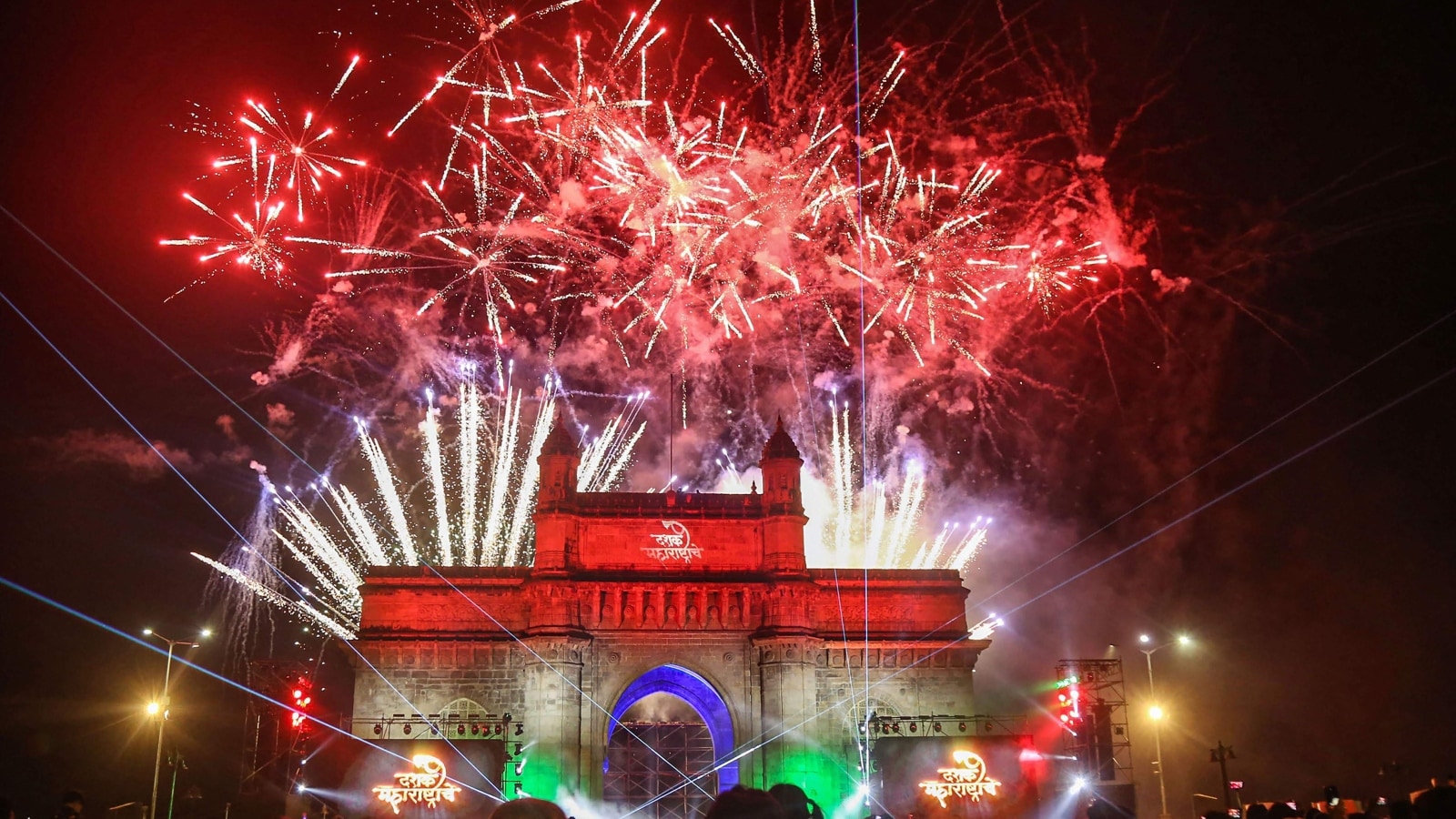
India welcomed 2026 with large, vibrant celebrations across major cities as residents and visitors gathered at iconic landmarks and popular tourist destinations. Fireworks lit the night sky and public events ranged from spiritual ceremonies on the Ganges to packed street parties in urban centres. Authorities announced special safety measures to manage the crowds and ensure a peaceful transition into the new year.
India New Year 2026 celebrations draw crowds nationwide
In the national capital, thousands converged on India Gate, Connaught Place and adjacent areas to mark midnight. The Delhi Traffic Police implemented specific traffic diversions and crowd-control plans. Over 680 police personnel were deployed in high-footfall locations to monitor movement and maintain public order during the festivities.
Further north, Srinagar’s Lal Chowk and the historic Ghanta Ghar were brightly lit as tourists and residents took to the streets. Local authorities maintained heightened security to provide a safe environment for both visitors and locals, while decorative lights and controlled gatherings kept the atmosphere celebratory yet orderly.

Himalayan hill stations reported a heavy influx of travellers seeking a mountain-side New Year. Mussoorie in Uttarakhand and Manali in Himachal Pradesh saw a surge of visitors, with local businesses and hospitality providers reporting increased occupancy and lively public events.
Rajasthan’s popular destinations attracted lakhs of visitors, with many hotels, resorts and clubs reporting full bookings. Premium New Year packages in some properties were priced up to Rs 1.5 lakh, reflecting strong demand from domestic tourists seeking distinctive festive experiences.
Varanasi offered a contrasting, more reflective celebration. During the Ganga Aarti at Dashashwamedh Ghat, organisers arranged 1,001 lamps to spell out ‘Swagatam 2026’, producing a striking visual as devotees and tourists filled the ghats to offer prayers and seek blessings for the year ahead.
Bengaluru’s Mahatma Gandhi Road and Brigade Road hosted street parties and musical performances, contributing to a lively urban atmosphere. Organisers and police coordinated to keep celebrations safe and to manage traffic in central areas.
Across the country, the pattern was consistent: public rejoicing combined with clear measures to preserve safety. Local administrations and police forces emphasised planning and crowd management to prevent incidents while allowing citizens to celebrate.
Internationally, fireworks displays in cities such as Auckland, New Zealand, signalled the global welcome for 2026. Images of illuminated towers and packed viewing points underscored how New Year festivities remain a shared cultural moment worldwide.
As morning broke on 1 January, officials reported largely peaceful events with no major incidents in the cities detailed. Hospitality sectors across tourist hotspots reported strong business over the holiday period, a positive sign for local economies reliant on domestic tourism.
Authorities have said they will review operations and public feedback from the night to refine plans for future large-scale events. For now, celebrants carried into the first day of 2026 memories of fireworks, music and community gatherings that marked a hopeful start to the year.
Key Takeaways:
- India New Year 2026 celebrations drew large crowds at landmarks and tourist hubs across the country.
- Authorities deployed heightened security and traffic arrangements to manage gatherings safely.
- From spiritual rites in Varanasi to fireworks in Delhi and street parties in Bengaluru, events blended tradition and tourism.