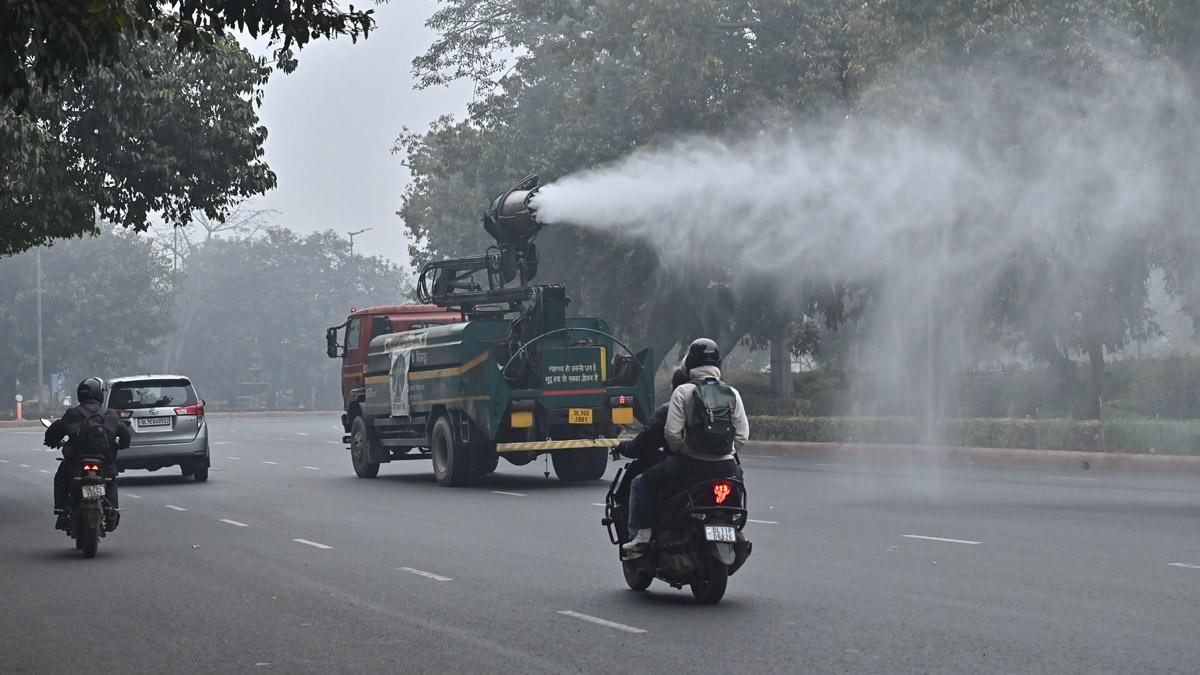
Dense fog and a biting chill settled over Delhi as the metropolis recorded a “cold day” and air-quality readings slipped into the “very poor” category, affecting millions of residents on 1 January 2026. Visibility fell in several parts of the capital, disrupting early-morning travel and prompting health advisories for those with respiratory conditions.
Delhi cold day air quality worsens across the capital
Officials said the India Meteorological Department (IMD) expects the cold spell to persist for the next 24 to 48 hours, with the possibility of light, intermittent rain that may bring only temporary relief. Low temperatures, calm winds and a temperature inversion near the surface have combined to trap pollutants close to the ground, causing particulate matter concentrations to rise.
Authorities reported readings in the “very poor” range on the Air Quality Index (AQI) scale for several monitoring stations. While AQI levels can vary markedly across neighbourhoods, the sustained stagnation of air has raised concerns about short-term health impacts, especially for children, the elderly and people with pre-existing respiratory or cardiovascular conditions.

Public-health advisories issued by local agencies recommended that residents avoid strenuous outdoor activities, keep windows closed where practicable and use particulate-filtering masks if travel is necessary. Those with chronic conditions were urged to consult medical professionals and to keep medication to hand. Schools and workplaces were asked to monitor local advisories and consider flexible arrangements where pollution and fog severely reduce visibility.
Experts note that winter pollution episodes in Delhi typically reflect a combination of factors. Vehicle emissions, construction dust and emissions from small-scale industry contribute continually, while seasonal factors — including low wind speeds and cooler temperatures — impede dispersion. In some years, agricultural residue burning in neighbouring states has also been a significant seasonal contributor, though its influence varies day to day.
The IMD’s forecast of potential light rain offers the prospect of temporary air-quality improvement, since precipitation can help clear particulates from the air. However, meteorologists cautioned that light showers are unlikely to produce a lasting change unless accompanied by a shift in wind patterns and sustained rainfall.
Transport agencies advised commuters to allow extra time for travel through the morning, as dense fog reduced visibility on arterial roads and at some railway approaches. Motorists were asked to use low-beam headlights and to maintain safe following distances. Airport and rail authorities said they would issue updates if fog caused operational delays.
Community organisations and environmental groups reiterated calls for longer-term measures to address recurrent winter pollution, including stricter emission controls, greater use of cleaner fuels, improved public transport and regional cooperation to tackle cross-border sources of pollution. In the short term, officials have focused on monitoring AQI stations closely and alerting the public when levels deteriorate.
Residents can track hourly air-quality updates via government portals and take recommended precautions until conditions improve. For now, Delhi faces a classic winter challenge: cold temperatures, lingering fog and polluted air combining to make everyday activities more taxing for the capital’s population.
Key Takeaways:
- Delhi cold day air quality has dropped to ‘very poor’, with dense fog reducing visibility across the capital.
- The India Meteorological Department forecasts continued cold conditions and possible light rain over the next 24–48 hours.
- Lower temperatures and stagnant winds have exacerbated pollution, increasing health risks for vulnerable groups.
- Authorities urge residents to limit outdoor exertion, use masks and monitor local air-quality advisories.