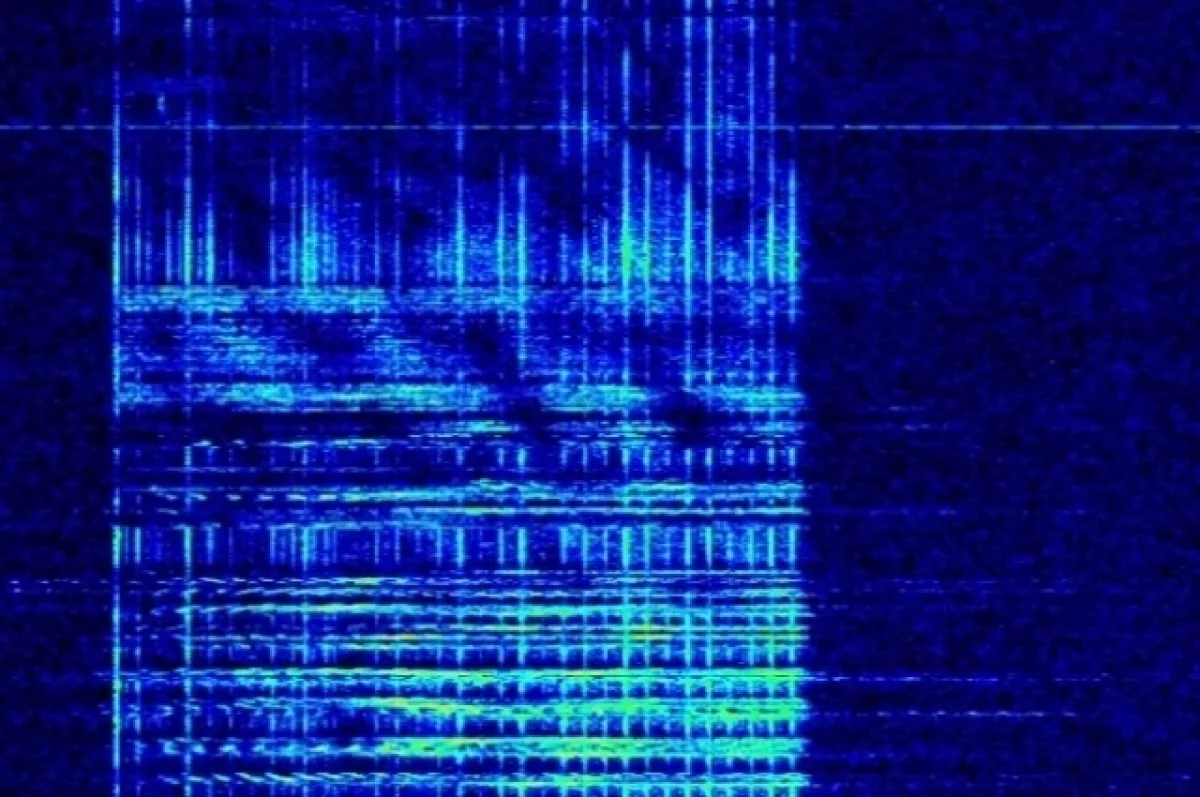
At 00:21 Moscow time on 1 January, the long-running shortwave signal known as UVB-76 transmitted a single Russian word, prompting renewed curiosity among radio listeners and analysts. The station, widely known among hobbyists as the Buzzer or Radio of Doomsday, aired the word “глотанье”, typically translated as “swallowing” or “a gulp”.
The brief transmission arrived amid a string of unusual broadcasts on the same network in the days before the new year. On 30 December the station played an odd musical selection that included tracks identified as “Leto i arbalety” and “Svinorez”, and even snippets from Tchaikovsky’s ballet Swan Lake. Observers also noted earlier transmissions in December in which the station aired other puzzling words, including a December 17 message rendered as “tatumari” and additional fragments on 29 December.
UVB-76 broadcast adds to long-running mystery
UVB-76 has been a fixture on shortwave radio for decades, operating on 4625 kilohertz. The frequency is reserved for military and government use and is not available to civilian broadcasters. Over time the monotonous buzzer signal, intermittently interrupted by voice messages and tonal changes, has fuelled speculation about the station’s purpose. Radio hobbyists, analysts and journalists monitor the channel closely for patterns or messages that might coincide with major political or security events.

Historically, listeners have linked certain voice transmissions from the station with significant moments. For example, on 20 February 2022 the broadcaster transmitted a pair of unusual words that were later cited by enthusiasts as part of a curious pattern of pre-event messaging. Such coincidences have driven debate over whether the transmissions are routine operator checks, coded communications, or deliberate psychological signals.
Experts caution that attribution and intent are difficult to establish from brief transmissions. Military communications often include test messages, station identifiers and procedural traffic that can appear opaque to outside listeners. The sequence of music, classical fragments and single-word announcements observed in late December could be technical tests, internal signals, or part of a timing protocol used by operators.
Despite the speculation, there has been no official explanation publicised for the new-year transmission. The station’s operators typically do not comment publicly and the nature of many shortwave military channels means they remain deliberately opaque. For now, the broadcast has simply added another entry to the list of enigmatic UVB-76 incidents that attract attention from a global community of radio enthusiasts.
Observers and monitoring groups will likely continue to track the frequency for further transmissions and to assess whether the recent messages form any discernible pattern. For more detailed reporting and audio samples of recent broadcasts, specialist sites and monitoring outlets have documented the transmissions.
Key Takeaways:
- Russia’s long-running UVB-76 broadcast transmitted a single word at 00:21 Moscow time on 1 January, renewing interest among radio enthusiasts.
- The brief transmission followed unusual music programming on 30 December and earlier enigmatic words in December 2025.
- UVB-76 broadcast operates on 4625 kHz, a frequency restricted to non-civilian use, and has a history of cryptic messages before notable events.