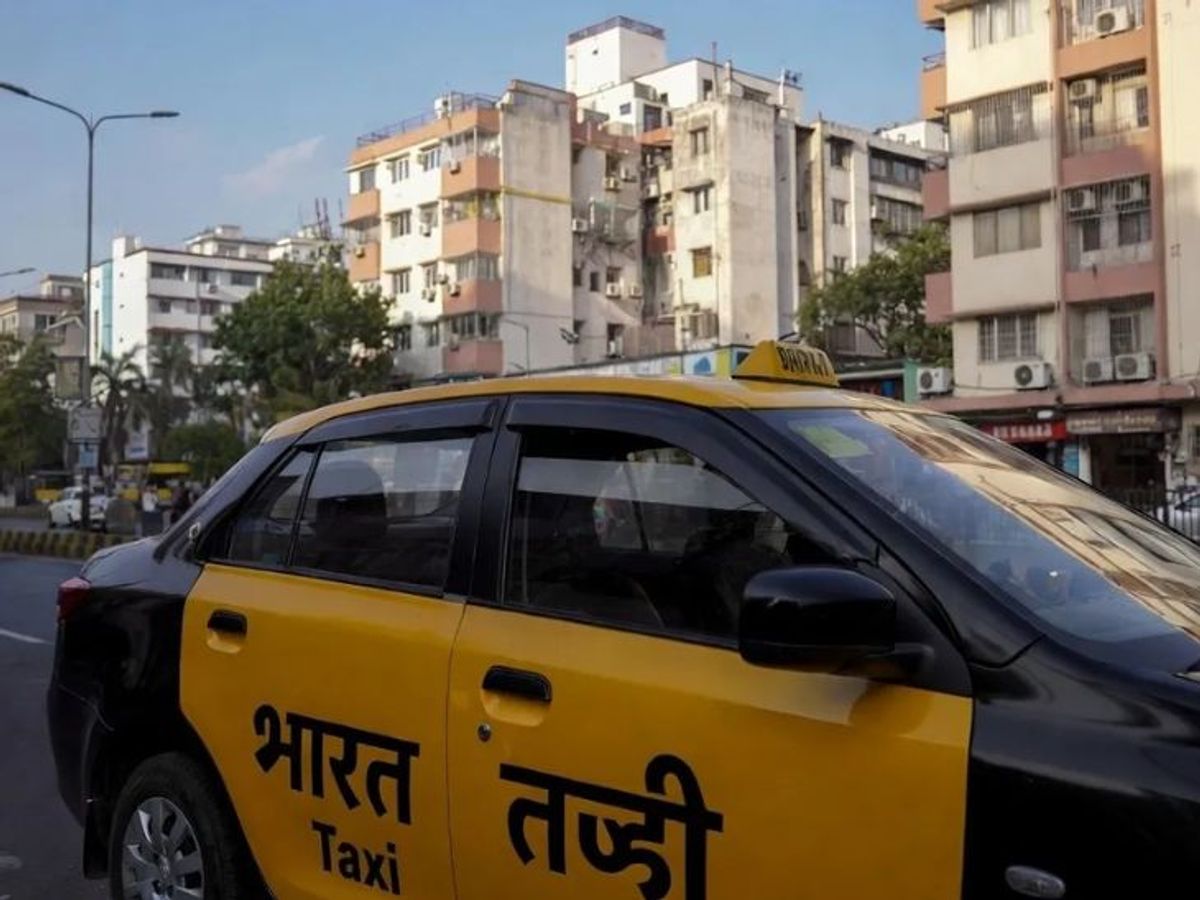
Ride‑hailing competition in India has intensified as Bharat Taxi returns with pricing up to 30% lower than rival platforms Ola and Uber, according to local reports. The company says fare differences exceed ₹100 on certain routes, a development that could alter short‑haul mobility markets in major cities.
India taxi fares face sharp reduction as Bharat Taxi expands
Industry observers say the move to undercut established players is aimed at winning market share quickly. Bharat Taxi will begin operations in Delhi this month and plans to restart services on the busy Mumbai–Pune corridor after a six‑month hiatus. For commuters, the immediate benefit is lower out‑of‑pocket costs on everyday trips.
The price gap — cited at up to 30% — reflects an aggressive promotional strategy. Analysts note that such discounts are typically funded by capital or temporary incentives for drivers rather than immediate cost savings. If sustained, the lower fares could force incumbents to respond with their own price cuts or passenger incentives.

For consumers, reduced fares provide relief amid broader cost pressures. Lower ride costs can increase mobility for commuters who rely on app‑based taxis for last‑mile travel or intercity journeys. However, experts caution that headline discounts do not always translate into long‑term savings if surge pricing, cancellation fees or minimum fares rise elsewhere.
Drivers may feel the impact in different ways. Short‑term incentives and higher trip volume could offset lower per‑ride earnings, but there is a risk that persistent price competition will compress margins. Platforms typically balance driver earnings and passenger fares through dynamic pricing; how each company calibrates that balance will determine driver retention and service quality.
Market incumbents Ola and Uber are likely to respond with targeted promotions, loyalty offers or technology upgrades to maintain customer loyalty. Both companies have deep pockets and established user bases, which can blunt the immediate effect of a new low‑cost entrant. Still, renewed competition can spur innovation in vehicle allocation, route optimisation and customer support.
Regulators will watch the market closely. Rapid price swings sometimes invite scrutiny over predatory pricing or the adequacy of driver protections. City transport authorities and consumer bodies have in the past urged transparency in fare calculations and clearer disclosures about surge multipliers and cancellation charges.
Business analysts say the reappearance of a price‑focused competitor could reshape urban mobility dynamics, particularly on intercity routes such as Mumbai–Pune where demand remains strong. For commuters, the next few months should reveal whether lower fares are a temporary promotional campaign or the start of a sustained shift in pricing strategy across platforms.
For now, passengers in Delhi can expect immediate savings as Bharat Taxi launches services, while travellers between Mumbai and Pune may see fares fall again when operations resume on that corridor. Observers will track how rival platforms and regulators respond to ensure a balanced outcome for passengers and drivers alike.
Key Takeaways:
- Bharat Taxi is offering fares up to 30% lower than Ola and Uber, with differences exceeding ₹100 on some routes.
- The service is launching in Delhi this month and will resume operations on the Mumbai–Pune corridor after a six‑month pause.
- The price move could intensify competition among ride‑hailing platforms and benefit consumers through lower fares and better service options.
- Drivers and incumbents may face margin pressure, prompting promotional offerings and possible regulatory scrutiny.