











Kazakhstan closed 2025 with a year of notable diplomatic advances, energy-sector tensions and a string of social and cultural milestones. Officials balanced expanding strategic ties with Russia, steps to bolster national security and a calendar of civic events that underscored the country’s regional role.
Kazakhstan 2025 key developments
The year began with high-profile criminal cases and public safety issues, including the conviction in January of a figure known as “Wild Arman” for his role in violent unrest and a fatal assault. Law-enforcement agencies also reported the seizure in September of the country’s largest-ever shipment of cocaine, signalling intensified efforts to disrupt transnational trafficking networks passing through Kazakhstan.
Energy security emerged as a central theme. In February, Ukrainian drone strikes targeted the Caspian Pipeline Consortium’s pumping station at Kropotkinskaya, the largest CП station on Russian territory linked to the consortium. Subsequent attacks during the year, culminating in damage to an offloading berth in November, tested the resilience of transit infrastructure and highlighted regional vulnerabilities in the energy supply chain.

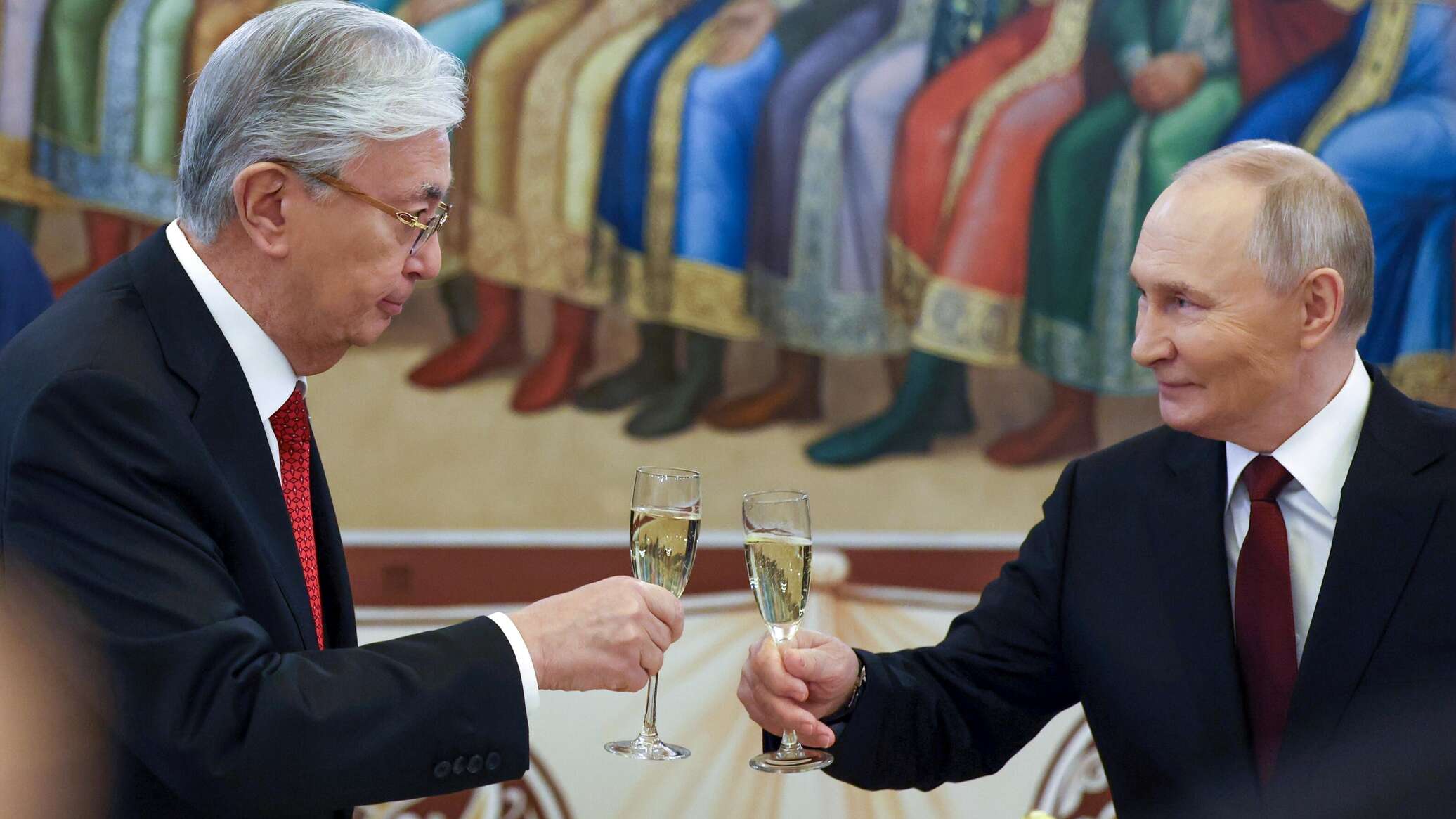
Economic and diplomatic cooperation advanced alongside these challenges. In May Kazakhstan and Russia agreed to share the telephone code +7, a symbolic and practical step that analysts said reflects deeper communication and coordination. In November, President Kassym-Jomart Tokayev made a state visit to Moscow and signed a Declaration elevating bilateral relations to comprehensive strategic partnership and alliance. The visit underlined a drive towards stronger inter-state ties and co-operation in multiple sectors.
Kazakhstan also marked several national and international achievements. The Baikonur cosmodrome celebrated its 70th anniversary in June, highlighting the country’s long-standing role in space operations. A direct commercial flight route from Astana to Mecca and Medina launched in March, expanding pilgrimage connectivity. Cultural observances included wide-ranging events to mark the 180th anniversary of poet Abai Kunanbayev, while the country hosted scientific and educational expeditions that included participants from neighbouring states.
Domestic policy and legal reform featured prominently. Parliament moved towards a new single-chamber legislature in proposals announced in September, and criminal-code amendments strengthened penalties for forced marriage and abduction in an effort to protect vulnerable people. Lawmakers also advanced a new framework on offender supervision to address recidivism and community safety.
In the technology and space sectors, Kazakhstan continued to participate in international programmes. A Kazakhstani citizen joined an international Arctic expedition and a national astronautic milestone was recorded when a Kazakhstani civilian flew above the Kármán line aboard the New Shepard vehicle. These activities complement broader efforts to promote scientific collaboration across Eurasia.
Looking ahead, officials are expected to prioritise energy infrastructure security, deepen economic co-operation with regional partners and continue legal reforms aimed at strengthening public safety. While 2025 presented challenges, the year also showed Kazakhstan’s intent to consolidate strategic partnerships and enhance its regional profile.
Key Takeaways:
- Kazakhstan strengthened ties with Russia, signing a declaration to elevate relations to comprehensive strategic partnership.
- Energy infrastructure and security were tested by attacks on the Caspian Pipeline Consortium and other incidents, prompting heightened focus on resilience.
- Domestic milestones included Baikonur’s 70th anniversary, cultural celebrations and the launch of a national agricultural census.
- Major law-enforcement actions and legal reforms addressed narcotics trafficking, kidnapping and forced marriage.








