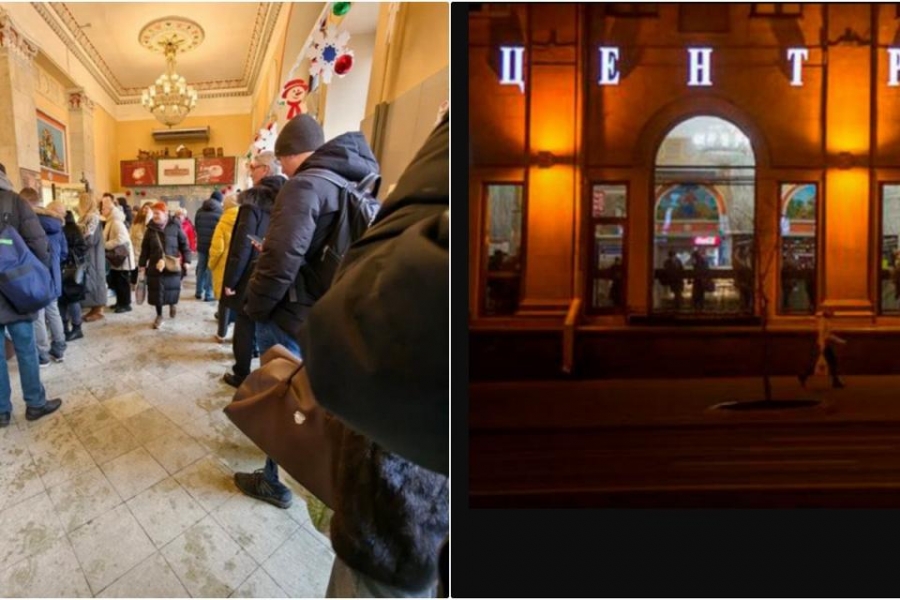
A long queue formed in the centre of Minsk this week as around 50 people waited to buy the celebrated Mara cake, a confectionery staple at the Tsentralny shop. The scene, captured in a social media post, underlined the continuing local enthusiasm for a dessert many describe as a must-try in the Belarusian capital.
Mara cake Minsk draws early morning queues
The Mara cake, which translates as “Dream”, has become one of Minsk’s best-known pastries. Patrons travel across the city to buy it, and those who have tried it often return, accounting for the regular lines at Tsentralny. A post on a local page reported a queue of some 50 people queuing for the cake, with the author noting that anyone who has tasted it would understand why.
Tsentralny confectionery has long promoted the Mara as something of a legend. The cake’s reputation is not only built on flavour but on the lore around it: its recipe, presentation and the rituals of buying it at a busy city counter. That mix of taste and tradition helps explain why a simple patisserie product attracts such a crowd.

Kateryna Stryngiel, a local writer and confectioner-enthusiast, dedicated a short piece titled Confectioner of Dreams to the cake. Her story was included in the collection Not (Clean) Minsk, which gathers portraits of the city and its characters. Stryngiel’s account highlights how small culinary icons like the Mara can come to represent aspects of urban identity and collective memory.
The queue at Tsentralny is also a reminder of the role small food businesses play in city life. For many shopkeepers and bakers, pastries like the Mara are steady sellers that help sustain neighbourhood trade. Tourists often seek out such local specialities, and social media attention can amplify that interest, creating short-term spikes in demand.
Local reactions to the queue have been largely good-natured. Regular customers noted that the wait is often part of the experience, an opportunity to share recommendations and to sample other treats on offer. For newcomers, the queue can signal quality and authenticity — an informal endorsement that encourages people to try something new.
At the same time, the attention highlights how food can shape perceptions of a city. Items like the Mara cake are modest cultural exports: they may not command headlines abroad, but they contribute to travel itineraries and local pride. For Minsk, the Mara joins other culinary and craft traditions that attract both domestic and visiting audiences.
Confectioners and local cultural commentators say that preserving such recipes and maintaining consistency is important. While modern pâtisserie techniques and changing tastes influence menus, long-standing favourites provide continuity. The Mara’s fame rests on its recognisable flavour profile and the stories that surround it.
Whether the queue at Tsentralny signals a new surge in popularity or simply another ordinary day for a beloved cake, it offers a small but telling snapshot of life in Minsk. In a city where public space and everyday rituals matter, a line for a dessert can say as much about community and habit as any larger cultural trend.

Key Takeaways:
- Locals and visitors line up at Tsentralny for the famed Mara cake, known locally as ‘Dream’.
- Social media posts report queues of around 50 people, reflecting the cake’s enduring popularity.
- Author Kateryna Stryngiel has chronicled the dessert in a story included in the collection Not (Clean) Minsk.
- The Mara cake Minsk continues to draw attention as a small but notable example of Belarusian culinary culture and urban life.