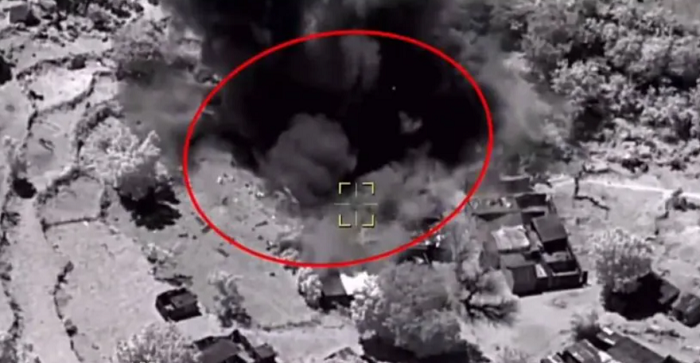
The Nigerian Air Force (NAF) says it neutralised 2,351 terrorists and group leaders in 2025 through sustained, intelligence-driven air operations that supported ground advances and improved security across several regions.
Nigeria airstrikes 2025 operational achievements
According to an official statement by Air Commodore Ehimen Ejodame, the air campaign conducted 274 air interdiction missions, amounting to approximately 800 flight hours and 379 combat sorties. Those strikes targeted terrorist strongholds, logistics hubs, training camps and key mobility corridors across the North-East, North-West and North-Central regions.
Ejodame said the reported figures exclude numerous intelligence, surveillance and reconnaissance missions, close air support to surface forces and armed reconnaissance operations. He added that precision strikes significantly disrupted supply chains, severed mobility routes and weakened leadership structures that had linked hostile enclaves.

“These effects enabled surface forces to advance, reclaim contested areas and stabilise vulnerable communities,” the spokesperson said, noting a measurable contraction of hostile networks and a marked improvement in security in previously threatened areas.
Impact on maritime and energy security
NAF operations in the Niger Delta also delivered strategic dividends for maritime and energy security. Targeted air strikes destroyed hundreds of illegal refining reservoirs, 126 storage tanks and several boats used by oil thieves and criminal syndicates. The service said those actions substantially degraded the capacity of illicit actors to finance violence and organised crime.
Officials contend the strikes contributed to improved oil production and reinforced national economic resilience by denying criminal networks the proceeds that had helped to fund destabilising activity. The campaign illustrates an expanding role for air power in safeguarding critical national assets and supporting broader economic recovery efforts.
Operational and strategic consequences
Analysts say the NAF campaign’s combination of precision targeting and intelligence integration reduced the operational tempo and morale of terrorist and bandit groups. With mobility constrained and logistical lines disrupted, surface forces were able to follow up on air strikes to reclaim territory and hold it.
Nevertheless, military officials and security experts caution that air power alone cannot deliver lasting peace. Sustained improvements will require coordinated governance, reconstruction, improved local policing and initiatives to cut off recruitment and financing for violent groups.
For now, the NAF presents the 2025 campaign as a significant step in restoring stability to several volatile areas and protecting national economic interests. The defence ministry has yet to publish a full after-action review, but the figures and operational details released so far are likely to inform planning for future joint operations between air and ground elements.
In the coming months authorities say they will sustain pressure on organised criminal networks and continue to prioritise missions that protect communities and critical infrastructure while supporting efforts to normalise life in affected regions.
Key Takeaways:
- Nigeria airstrikes 2025: the Nigerian Air Force says it neutralised 2,351 terrorists during 274 air interdiction missions.
- Operations included roughly 800 flight hours over 379 combat sorties, disrupting supply lines and denying safe havens.
- Strikes in the Niger Delta destroyed illegal refineries and assets, reducing illicit financing and supporting oil output recovery.