











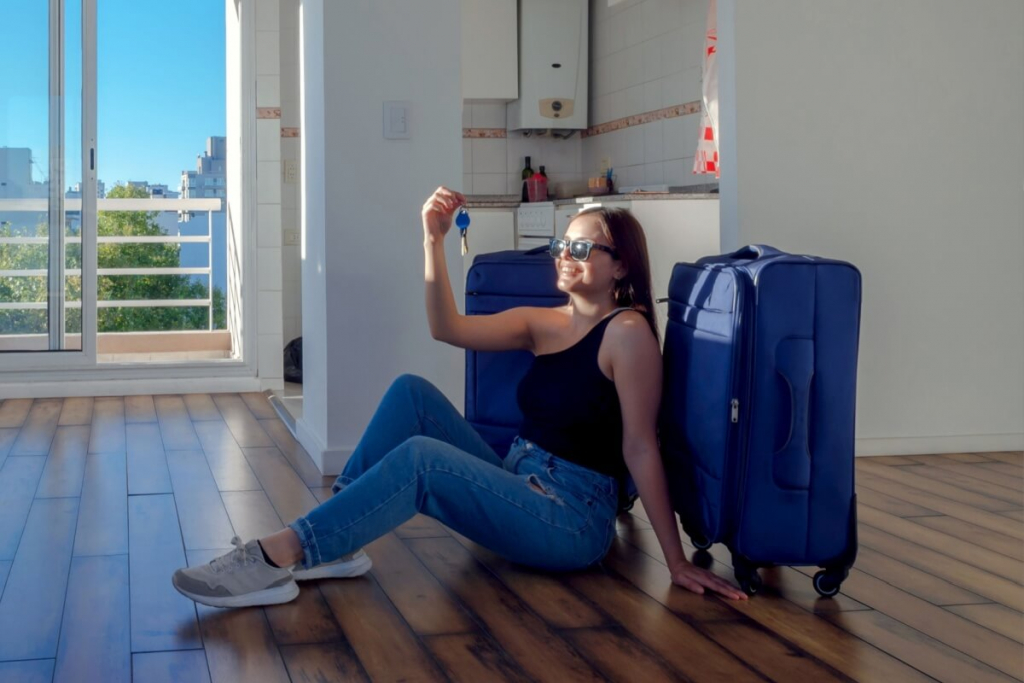
Holiday and end‑of‑year seasonal rentals bring convenience for many Brazilian travellers but also a rise in disputes between hosts and guests. Beyond claims for repair costs or lost deposits, Brazilian courts have increasingly seen requests for moral damages where tenants or owners say their dignity or peace of mind was harmed.
Legal specialists in real estate law note that moral damages arise when a rental experience causes significant distress, humiliation or exposure to situations that offend personal dignity. The trend has become more visible during peak rental periods when expectations set by listings and contracts clash with reality.
When seasonal rental moral damages Brazil apply
Compensation for moral damages may be appropriate in several clear scenarios. First, when the property differs markedly from its advertised condition — for example, serious structural faults or unsanitary conditions that were not disclosed. Second, when promised services are not provided, such as reliable internet, air conditioning or security, and this failure causes real disruption to the stay. Third, when the host seeks to evict guests mid‑stay without legal justification, forcing them to find alternative accommodation at short notice.

Silvia Santana, a lawyer and law course coordinator at Faculdade Pitágoras, explains that moral damage refers to the suffering, anguish or disturbance caused by an embarrassing exposure or by a violation of rights that directly affects an individual’s dignity. Such harm can give rise to a claim for compensation alongside material losses.
Practical steps to document and pursue a claim
The first and most important step is to gather comprehensive evidence. Keep copies of the rental agreement and all communications with the host. Save WhatsApp conversations and take screenshots that show phone numbers, timestamps and message content. Photograph and film any defects or service failures and secure witness statements if others were affected.
Next, attempt to resolve the dispute directly. If the host will not remedy the problem or offer fair compensation, register a complaint with Procon, the consumer protection authority. If that fails, consider filing a claim in the Juizado Especial Cível (Small Claims Court) for lower‑value disputes or in the competent civil court for larger claims. In either forum, the injured party may ask for both material reparation and moral damages, setting out the aggravation or humiliation suffered.
Legal counsel can help quantify both types of loss and advise which court or tribunal is the most appropriate. The same routes are available to hosts who believe they have been unfairly accused or suffered reputational damage due to guests’ actions.
What courts look for and expected outcomes
Court decisions focus on whether the conduct caused objective injury to rights or dignity and whether the claimant can prove the facts. Clear, contemporaneous evidence increases the likelihood of a favourable outcome. Remedies vary from negotiated settlements to judicial awards for moral damages, often accompanied by reimbursement of direct expenses.
As seasonal tourism and short‑term rentals continue to grow in Brazil, both guests and hosts should manage expectations, communicate clearly and document every stage of the transaction. Doing so reduces the risk of disputes and strengthens any subsequent claim for compensation when something goes wrong.
Key Takeaways:
- Seasonal rental moral damages Brazil can be claimed when a stay causes significant humiliation or distress due to misrepresentation or service failures.
- Collect evidence such as photos, videos, contract copies and WhatsApp or email exchanges to support any claim.
- File a complaint with Procon or take the case to the Small Claims Court or competent civil court if there is no settlement.
- Both tenants and landlords may pursue compensation for material losses and moral damages arising from contract breaches or improper conduct.








