











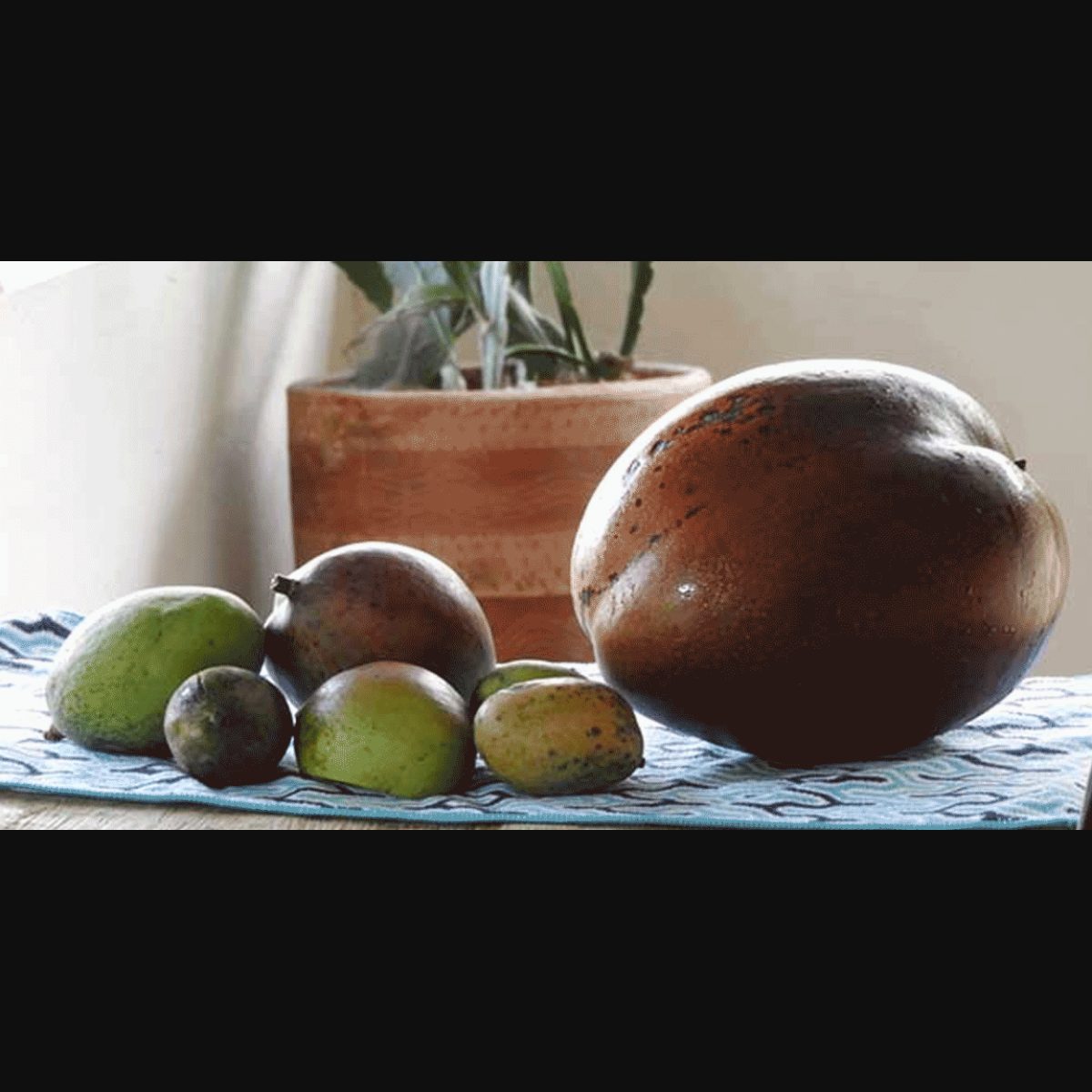
A Guinness World Records entry has confirmed a mango weighing 4.25 kilograms as the heaviest on record. The fruit was grown at San Martín farm near Guayatá in Colombia and officially logged by German growers Orlando Novoa Barrera and Rein Mariel Marroquín. The new record eclipses a previous entry from the Philippines that weighed 3.435 kilograms.
World’s Heaviest Mango captures global attention
The enormous mango drew attention not only for its size but also for the way it highlights ongoing interest in mango cultivation and variety. Typical market mangoes weigh between 200 and 500 grams, with some traditional cultivars naturally larger. Varieties such as Kent and Kohu are known for heavier fruit, while India’s Alphonso and Nurjahan varieties are celebrated for their rich flavour and substantial size.
Growers behind the Colombian record said careful cultivation and favourable local conditions helped produce the exceptionally large fruit. Guinness World Records documentation names the owners of San Martín farm and credits their horticultural practices with producing a mango that has seized international headlines.

Mango varieties and India’s contribution
Mangoes trace their domestication to South Asia, particularly the Indian subcontinent, where the species Mangifera indica has been cultivated for more than 4,000 years. India remains a global centre of mango diversity, with hundreds of named varieties differing in size, colour, texture and taste. Alphonso is especially well regarded for its creamy, sweet flesh, while regional types such as Nurjahan are noted for their robust weight and distinct aroma.
While the record-holding fruit originated in Colombia, the news has prompted renewed interest in India’s mango industry. Indian growers and exporters continuously work to protect and promote heritage varieties through improved cultivation, post-harvest handling and international marketing.
Nutritional value and culinary uses
Mangoes are widely enjoyed for taste and nutrition. They are rich sources of vitamins A and C, provide dietary fibre that aids digestion, and contain antioxidants such as beta-carotene. Culinary traditions across Asia and the Americas make extensive use of mango in sweet and savoury dishes. Mango lassi remains a signature beverage in India, sticky rice with mango is a staple dessert in Thailand, and various Mexican recipes combine mango with chilli and lime.
The size of the fruit does not necessarily determine flavour, but larger specimens often capture media attention and spur curiosity about cultivation techniques. For growers, record-breaking fruit can offer publicity that draws interest to a farm’s other varieties and agricultural methods.
As the world takes note of the 4.25-kilogram mango from Colombia, the story also serves as a reminder of mangoes’ deep cultural and agricultural roots. From small-scale orchards in India to commercial farms in Latin America, the fruit continues to connect cuisines, economies and communities across the tropics.
Key Takeaways:
- Guinness World Records lists a 4.25 kg mango from Guayatá, Colombia as the world’s heaviest, surpassing the previous 3.435 kg Filipino record.
- Indian mango varieties such as Alphonso and Nurjahan are noted for their size and flavour, maintaining India’s reputation as the birthplace of the fruit.
- Mangoes offer vitamins A and C, dietary fibre and antioxidants, and feature widely in regional cuisines across Asia and beyond.








