











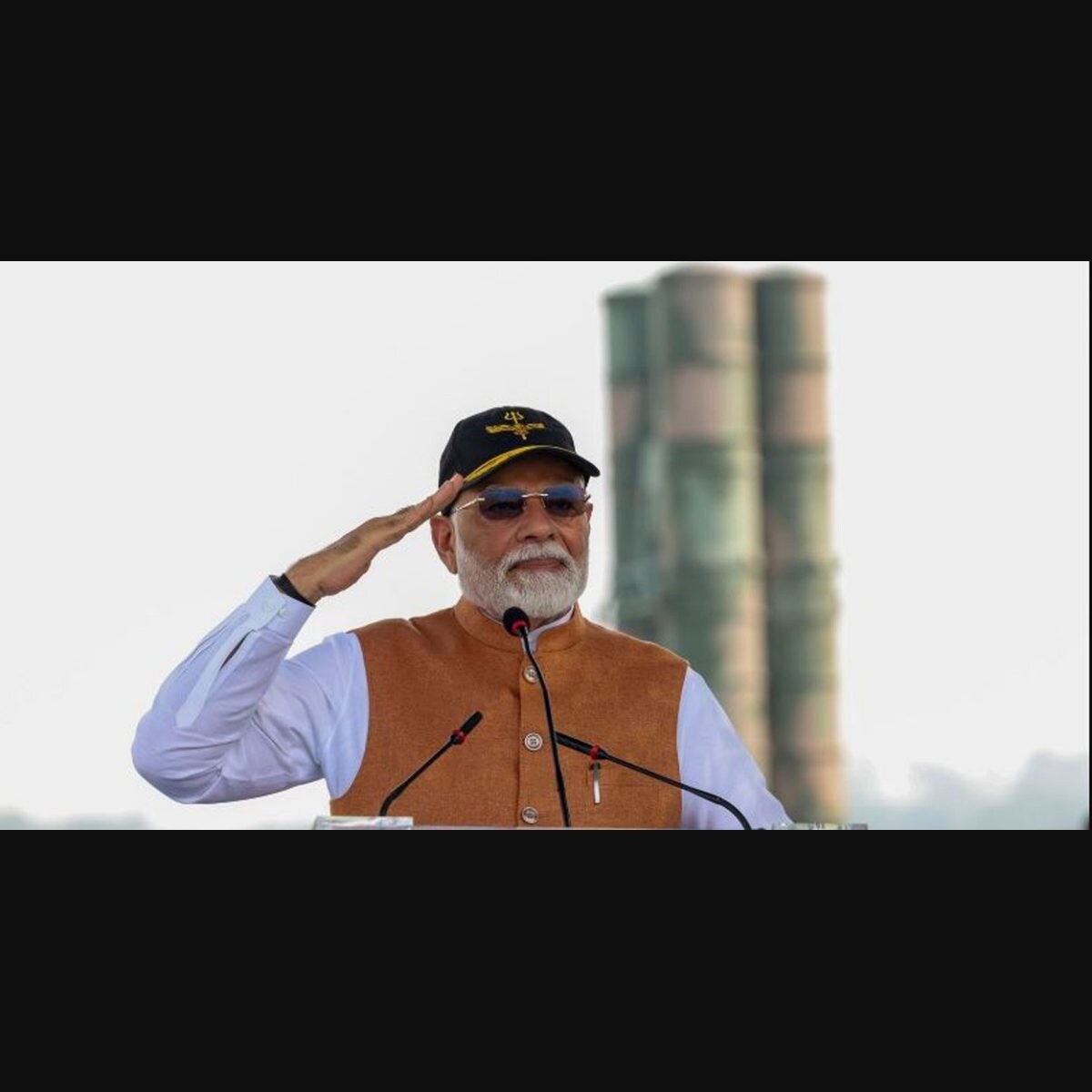
Prime Minister Narendra Modi has indicated that the government’s economic reform drive will continue into 2026, with the upcoming Union Budget expected to contain surprise measures aimed at boosting growth, exports and household finances. The comments came after a meeting with senior economic advisers in which ministers discussed targeted interventions across digital, manufacturing and services sectors.
India Budget 2026 priorities
The meeting flagged several priorities for the India Budget 2026. Senior economists urged tax reliefs to improve saving habits among ordinary citizens. There was also a clear push for policy support to accelerate the digital economy, including incentives for data centres, artificial intelligence and robotics. Strengthening services exports and tourism emerged as further priorities, given their capacity to generate foreign exchange and jobs.
Officials stressed the need to exploit existing free trade agreements more effectively and to shield critical inputs from being weaponised in international disputes. The view was that improving self-reliance for rare or strategic materials would reduce vulnerability to supply shocks and geopolitical pressure.

The government is expected to include measures to bolster export competitiveness in the face of evolving international tax rules and other barriers imposed by major markets. Sources say Finance Minister Nirmala Sitharaman will introduce incentives to support exporters and measures to stem any decline in foreign investment.
Market watchers expect the budget to balance fiscal prudence with targeted fiscal support. Analysts highlight three likely strands: modest tax reliefs for households, directed investment in high-growth digital and services sectors, and export-promoting measures that respond to global trade tensions and additional taxes levied by some trading partners.
Modi used the meeting to set a long-term goal for budgeting and reforms. He reiterated that budget planning would align with the nation’s aim to become a developed country by the centenary of independence in 2047. India recently overtook Japan to become the world’s fourth largest economy, and the government has set its sights on securing third place in time.
Observers note that a mix of near-term incentives and structural reforms could accelerate the growth trajectory. Tax relief would help raise disposable incomes and domestic demand, while targeted support for data infrastructure and AI could catalyse investment and high-value exports. Tourism and financial services were singled out as sectors that could yield quick gains if given policy impetus.
The timing is set: the Union Budget will be presented in Parliament on 1 February. Investors and industry groups will be watching closely for announcements that address global headwinds, including international tax changes and fluctuating capital flows. Any measures perceived to protect exports and attract foreign investment are likely to be received favourably by markets.
In summary, the government appears ready to pair fiscal measures with strategic sector support in the India Budget 2026. While specific proposals remain under wraps, the signals from New Delhi point to a budget designed to sustain growth, bolster export capacity and support the country’s long-term development goals.
Key Takeaways:
- India Budget 2026 expected to include tax relief and measures to improve household savings and exports.
- Government to prioritise digital sectors such as data centres, AI and robotics for policy support and investment.
- Officials aim to strengthen export markets and use free trade agreements to counter global tax pressures.
- Finance Minister Nirmala Sitharaman will present the budget on 1 February amid goals to make India a developed nation by 2047.








