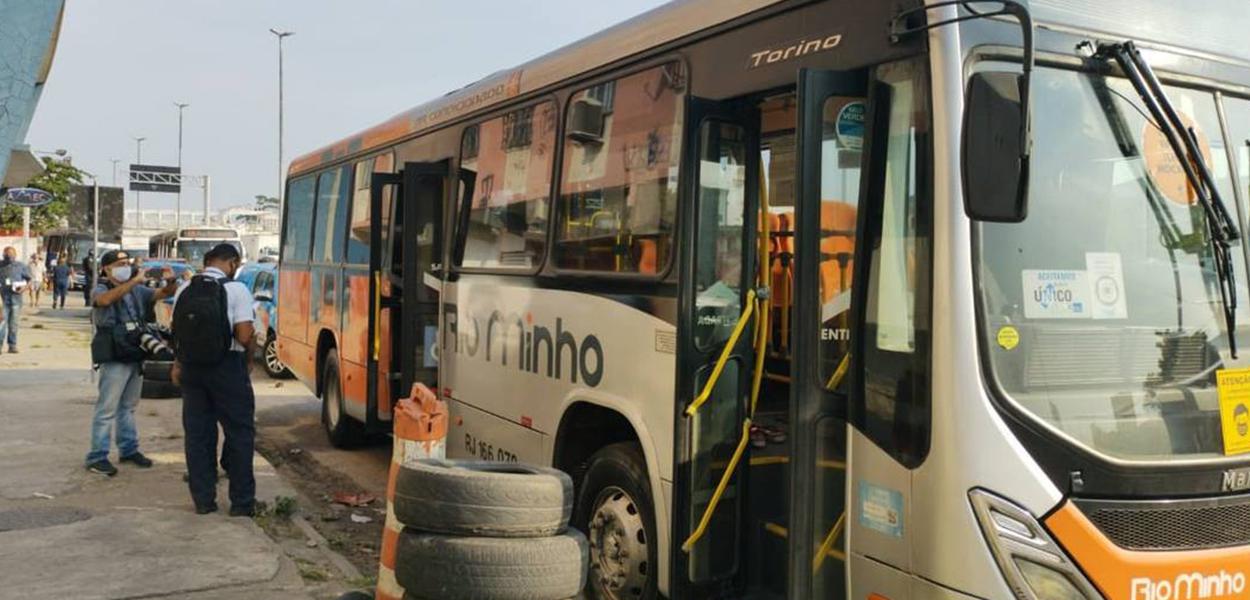
The city of Rio de Janeiro will raise the price of an urban bus ticket from R$4.70 to R$5, the municipal government announced in a decree published by Mayor Eduardo Paes in the Official Gazette on Tuesday (30). The R$0.30 increase, roughly 6%, takes effect on Sunday (4) and will apply across bus services and other forms of public road transport.
Rio bus fare increase explained
The new tariff is not limited to standard city buses. According to the decree, the updated fare will also apply to BRT corridors, the light rail network (VLT), authorised vans and smaller informal carriers often referred to locally as “cabritinhos”. Passengers using the Bilhete Único Carioca electronic ticketing system will also see their paid fare updated to R$5.
Although riders will pay R$5 at the turnstile or on boarding, the consortia that operate the city’s bus network will be remunerated at R$6.60 for each paid trip. The difference is met by municipal subsidy. The decree states that the revision follows parameters set out in municipal legislation and in judicial agreements reached between the city, the public prosecutor’s office and the operating consortia.

Four consortia were specifically referenced in the decree: Intersul, Transcarioca, Internorte and Santa Cruz. These groups manage routes across different municipal corridors and are remunerated according to contractual rules that include a per-kilometre payment mechanism. The subsidy paid by the city is calculated on that remuneration per kilometre rather than strictly on fares collected at boarding.
City authorities say the tariff review is a legal and administrative adjustment in line with existing agreements, intended to maintain service continuity while balancing operator costs. Public transport operators and municipal officials typically cite increasing fuel, maintenance and labour costs as reasons for periodic fare revisions.
For passengers, the immediate effect is a modest nominal increase in the cost of commuting. For lower-income users who depend on buses and integrated ticketing schemes, even small rises can add pressure to household budgets. The decision to continue subsidising the gap between the paid fare and operator remuneration means the city will absorb a larger share of the system’s operating cost.
Policy observers note two areas to watch following the tariff change. First, the fiscal impact: municipal coffers must accommodate the subsidy if ridership patterns remain steady. Second, service quality and frequency: officials and operators will face scrutiny to ensure that increased payments translate into reliable operations rather than simply covering past costs.
Public debate is likely to focus on whether fare increases are the most equitable way to support the sector or whether alternative measures — such as targeted subsidies, efficiency gains, or negotiated operator concessions — could limit the burden on commuters while keeping services viable. For now, Rio’s commuters will encounter the new R$5 fare from Sunday, amid the broader challenge many Brazilian cities face of reconciling affordable access with operator sustainability.
Key Takeaways:
- Rio bus fare increase to R$5 takes effect from next Sunday (4), representing a R$0.30 or roughly 6% rise.
- The rise applies to BRTs, VLTs, vans and users of the Bilhete Único; consortia will be paid R$6.60 per fare with the city covering subsidies.
- Tariff revision follows municipal law and judicial agreements with operators Intersul, Transcarioca, Internorte and Santa Cruz.
- Subsidy is calculated on remuneration per kilometre, raising questions on municipal budgetary impact and service sustainability.