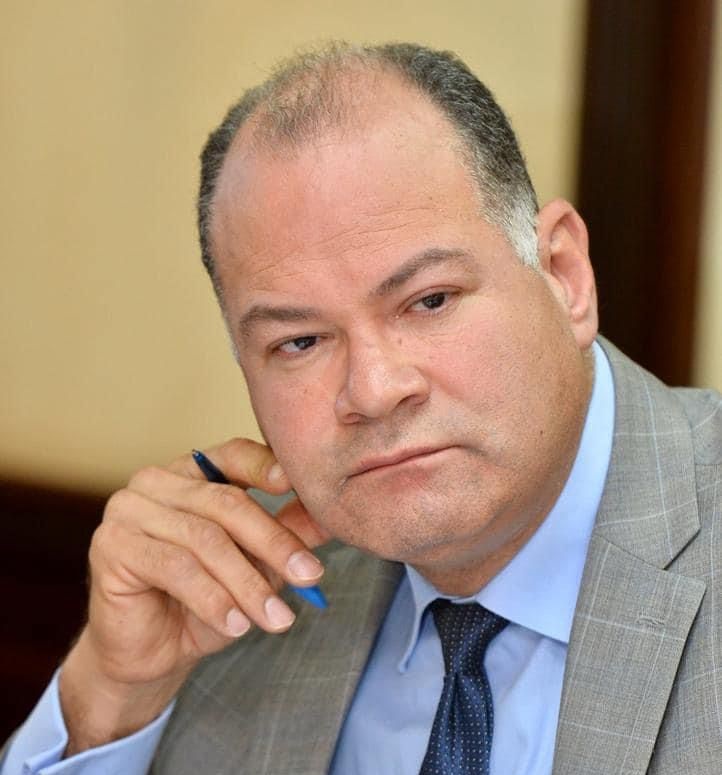
Egypt has grown accustomed to describing each period as exceptional, as a temporary emergency that requires a truncated life. That habit, the columnist argues, has become the norm: whole generations defer normal living, fearing any joy or stability is the prelude to catastrophe. The result is a society perpetually poised on the brink, unable to produce sustained creativity, economic activity or civic life.
live normally in Egypt
The author notes that Egypt’s history and geography place it at the centre of regional currents. The country is not on the margin, it is a crossroads. It feels storms first and often pays a premium for being central. That reality makes pressure, risk and disruption constant features rather than occasional shocks. The crucial mistake has been to treat these conditions as exceptional, rather than the environment to which social life must adapt.
Living normally in Egypt does not mean denying real threats or ignoring political and economic challenges. It means refusing to let uncertainty swallow ordinary life. It means people continue to work, raise families, start businesses, debate and create while remaining mindful of risks. The difference is between living in a state of permanent alarm and living with steady purpose.

The psychological pattern is striking. When every day is framed as a high‑stakes test, citizens suppress joy and postpone plans. Parents teach caution and suspicion rather than resilience. Institutions speak routinely in mobilisation language, which hardens anxiety across public life. Over time, this harms productivity, social trust and the social capital needed to weather genuine crises.
Instead, the piece calls for a shift in both rhetoric and practice. Leaders, commentators and community figures should reserve alarm for real emergencies and provide measured reassurances when appropriate. Public communication should combine realistic risk assessment with encouragement to pursue normal activities. That helps rebuild confidence and stimulates steady economic and civic engagement.
Practically, the argument emphasises a few clear priorities. First, maintain essential preparedness for foreseeable risks while avoiding permanent emergency postures that inhibit growth. Second, invest in institutions that support everyday life—schools, small businesses, public services—so citizens have the tools to live fully despite uncertainty. Third, cultivate civic education that teaches resilience, critical thinking and calm decision‑making rather than reflexive fear.
These are not soft hopes. Nations that sustain long periods of progress typically combine realistic hazard management with long horizons for development. The author’s plea is modest: stop treating each day as a decisive test and start treating it as an opportunity to build incrementally. That approach is more likely to yield durable stability and economic progress.
Ultimately, the column is a call to reclaim ordinary life as a political act. For Egypt, which has endured and adapted through centuries of change, the most effective response is not perpetual mobilisation but steady competence and confidence. People can be vigilant without living in terror; they can prepare without halting life. By learning to live normally, Egypt can protect what matters while still moving forward.
Key Takeaways:
- Author argues Egyptians should stop treating life as indefinitely suspended and instead live with steady purpose.
- The country’s central geopolitical role means crises are recurring; the piece calls for long-term resilience rather than constant emergency response.
- Practical civic confidence—working, building and raising children without chronic fear—strengthens national continuity and development.