Malaysia experienced a year of intense political and economic activity in 2025, from landmark bilateral agreements to legal verdicts involving former leaders, alongside several high‑profile criminal investigations and tragic events that captured public attention.
Malaysia 2025 highlights
The year opened with a major diplomatic and economic advance when Malaysia and Singapore signed a framework to create the Johor‑Singapore Special Economic Zone, known as JS‑SEZ. The initiative aims to attract investment and ease the movement of goods and people across the border, offering a boost to regional manufacturing and logistics.
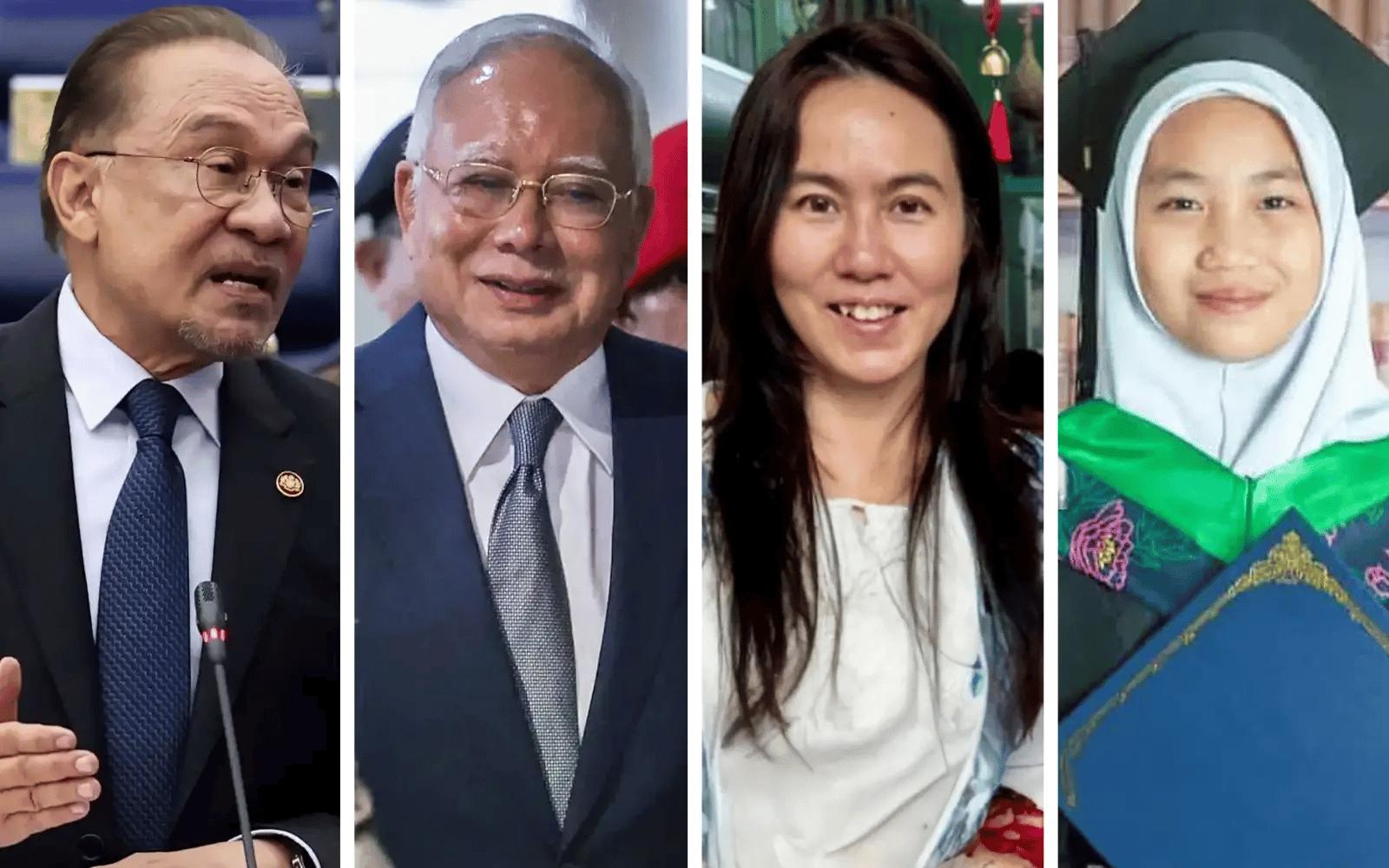
Throughout the year, the federal government faced sustained political pressure. Prime Minister Anwar Ibrahim led two ministerial reshuffles, while internal contests within PKR and DAP altered party leaderships. The political churn culminated in further instability for Perikatan Nasional, which saw leadership changes and resignations at state and national levels.

Judicial developments drew particular attention. Former prime minister Najib Razak faced fresh legal setbacks late in the year when courts denied his appeal for house arrest and later imposed a 15‑year prison sentence and a record fine in connection with 1MDB‑related convictions. Meanwhile, the Court of Appeal ordered the release of Syed Saddiq from graft charges, determining that he should not have been called to enter his defence.
Security and criminal incidents punctuated public life. The disappearance of businesswoman Pamela Ling after she was reportedly en route to give evidence in a money‑laundering investigation remained unresolved. The nation was also shaken by the death of schoolgirl Zara Qairina Mahathir, an inquiry that has spawned charges related to insulting behaviour and an ongoing inquest. Other violent episodes, including shootings and a fatal school stabbing, prompted debates on public safety and youth access to social media.
Public order and infrastructure incidents proved costly. A major gas pipeline fire in Putra Heights produced towering flames and destroyed scores of homes, leaving hundreds displaced and prompting emergency reviews of pipeline safety and urban planning. In June a bus crash claimed the lives of 15 students from Universiti Pendidikan Sultan Idris, leading to criminal charges against the driver and renewed calls for tighter road safety enforcement.
Economic pressures appeared on several fronts. The United States briefly imposed tariffs on certain Malaysian exports before reducing rates after negotiations, while Malaysia pursued targeted fuel subsidies and navigated global trade tensions. The JS‑SEZ and the trade agreements secured at the Asean summit were highlighted by officials as steps to diversify markets and strengthen investment flows.
On the security front, the detention of senior military intelligence officers accused of involvement in smuggling fuel and other contraband prompted demands for reforms within the intelligence apparatus. Natural hazards also featured, with a series of small earthquakes in Johor producing structural damage and public concern.
As the year closed, Sabah’s legal victory securing a 40 per cent share of federal revenue for the state marked a significant constitutional and fiscal development, while the Sabah state election produced major gains for local parties and reshaped the state’s political balance.
Overall, 2025 mixed economic diplomacy and trade advances with domestic legal and security crises. Policymakers signalled that implementing the JS‑SEZ, strengthening institutional oversight and addressing public safety will be priorities as Malaysia enters the next year.
Key Takeaways:
- Malaysia 2025 highlights include the historic JS‑SEZ agreement with Singapore and key trade arrangements.
- High‑profile court rulings and political reshuffles reshaped the national leadership landscape.
- Security incidents, corruption probes and social unrest tested public institutions and prompted reforms.