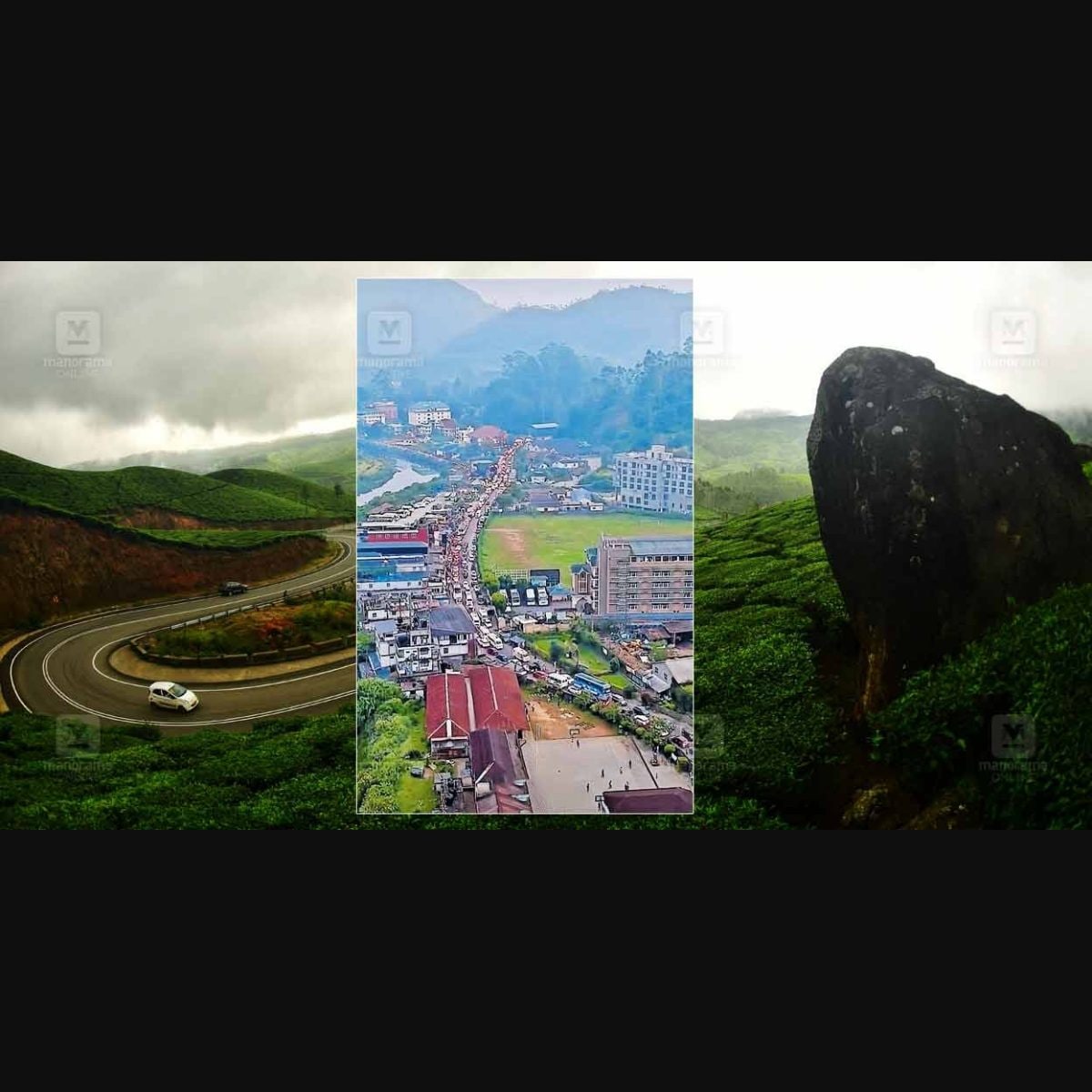
Holiday crowds have provoked prolonged traffic jams in Munnar and its approaches in Idukki district, Kerala, leaving visitors stranded and damaging the local tourism economy. The surge of tourists seeking the hill station’s cool climate and scenic views during December created severe congestion on several narrow mountain roads, with delays reported between 12 and 15 hours on some stretches.
Background to Munnar traffic congestion
The bottleneck commonly begins at the Neriyamangalam bridge, the main entry point from Ernakulam district into Idukki. The bridge and adjoining roads are too narrow for two large vehicles to pass simultaneously, and traffic frequently slows to a crawl from that point. Further along, the route remains challenging until the first major stopping point at Cheeyappara waterfall, around 12 kilometres from the bridge.
Although portions of the Kochi–Dhanushkodi national route that serve the area were scheduled for widening, those works have been stalled for months. Some widening has been completed up to Adimali, offering temporary relief, but the seasonal influx into Munnar’s central zones then creates fresh pressure on smaller roads that were not designed for heavy tourist traffic.

Peak congestion typically occurs in the late morning from 09:00 to 11:30 and again in the evening from 16:00 until midnight. Key itineraries affected include the Adimali–Irruttukadavu–Anachal–Pallivasal–Munnar corridor, and routes linking Munnar to Rajamala, Top Station and Mattupetty. The report of sustained jams over a ten-day period highlights how recurring holiday crowds can overwhelm local infrastructure.
Causes and immediate impacts
Local residents and business owners cite several causes. First, a mismatch between the number of visiting vehicles and the capacity of narrow village roads has forced traffic to spill into streets unsuited for large SUVs and coaches. Second, inadequate traffic management and enforcement at critical choke points have allowed jams to escalate. Third, stalled construction and delayed widening works have left several stretches still narrow.
The consequences extend beyond delays. Traders reliant on steady visitor flows report losses as frustrated tourists shorten or cancel plans. Residents face disruptions to daily life, access to services and emergency movement. For many visitors the holiday turned sour when they left Munnar earlier than planned after long waits.
Other trends and traveller behaviour
The season has also seen a rise in pet-friendly tourism, with hotels and homestays increasingly accommodating dogs, cats and small exotic pets. Some visitors now travel with animals such as sugar gliders and parrots, using specialised carriers. Authorities have advised caution for two-wheeler riders carrying pets, recommending safer alternatives for their welfare and road safety.
Tour operators and local authorities have suggested a range of short-term measures to alleviate congestion. These include deploying more traffic personnel at choke points, instituting one-way windows during peak hours, setting up temporary parking and shuttle services from designated lots, and accelerating stalled road widening projects where feasible.
For travellers planning a visit, practical steps will help reduce disruption: check real-time traffic updates, consider arriving earlier in the day or travelling on weekdays, use official parking and shuttle options where available, and favour two-wheelers or smaller vehicles on narrow mountain roads only when safe to do so.
Improved co-ordination between tourism bodies, police and public works authorities will be essential to manage future seasons and preserve Munnar’s reputation as a premier hill-station destination.
Key Takeaways:
- Munnar traffic congestion has left visitors and residents facing delays of up to 12–15 hours during the peak holiday season.
- Narrow roads, stalled road-widening works and inadequate traffic management are the main causes across routes from Neriyamangalam to Munnar.
- Local businesses and residents report significant disruption while authorities are urged to improve traffic control and complete road upgrades.