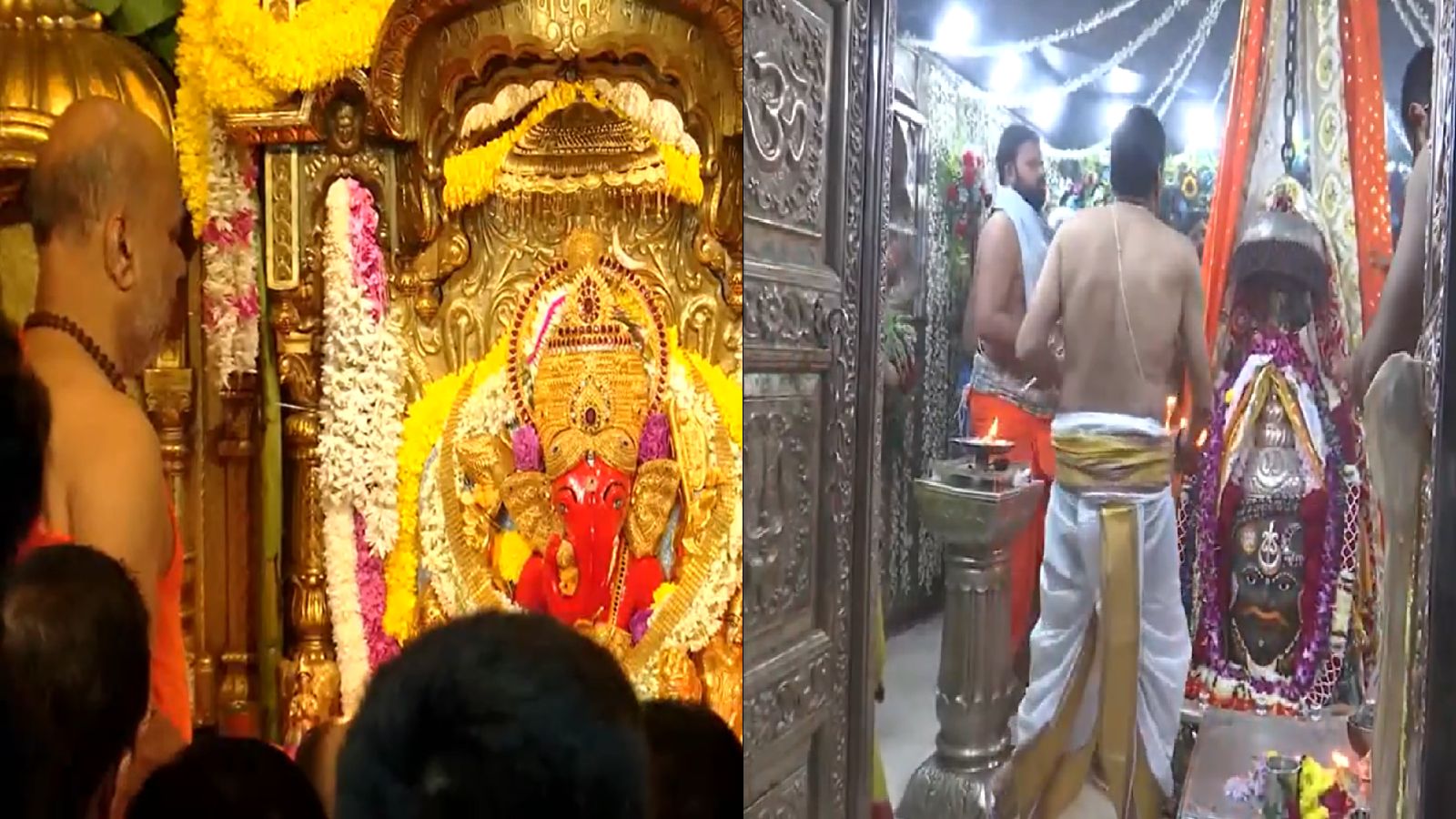
New Year 2026 began across India with a mix of late-night revelry and early-morning devotion as citizens welcomed the year both with festive gatherings and by seeking blessings at temples. Major cities saw jubilant crowds on the streets at midnight, while several of the nation’s famed shrines conducted special prayers and rituals at dawn.
India New Year 2026 Celebrations at Temples
In Bengaluru, revelry peaked at the stroke of midnight as thousands gathered in city centres to sing, dance and usher in 2026. Many young celebrants embraced the new year with exuberant celebrations, while others, exhausted from the festivities, missed the first sunrise and remained asleep well into the morning.
At the same time, devotional activity was prominent across the country. Mumbai’s Siddhi Vinayak temple organised a special puja at about 5am, drawing large numbers of devotees who queued for darshan and offered prayers for health and prosperity. In New Delhi, devotees visited Kalkaji temple for early morning services, and the historic Harmandir Sahib in Amritsar hosted distinctive ceremonial observances that included the traditional prabhat pheris attended by numerous Sikh worshippers.

Religious sites in other states also reported significant turnout. On Chamundi Hill in Mysuru, organisers arranged special darshan timings and crowd management measures so devotees could receive blessings from the goddess. In Ujjain, the Mahakaleshwar temple saw worshippers participate in morning rituals dedicated to Shiva, while in Varanasi the Ganga aarti at Assi Ghat provided a solemn and picturesque start to the year, drawing both locals and visitors.
Temple authorities said they had put additional arrangements in place to manage the influx of visitors, including extended hours, queue management and increased volunteer support. Officials emphasised a smooth flow for devotees and adherence to safety norms during the ceremonies.
The pattern across India underlined two distinct approaches to the New Year: a secular, communal celebration on city streets at midnight, and a spiritual renewal through religious services at dawn. Many worshippers said they visited temples early with hopes for peace, renewed fortune and collective well-being for family and community.
While fireworks and street festivals marked the urban midnight scenes, the morning rituals provided quieter moments of reflection. Devotees offering prayers were observed exchanging wishes and seeking blessings for the months ahead. In several cities, local authorities coordinated with temple management to ensure public transport and access points supported the early morning arrivals.
Observers noted that the blend of festivity and faith is a recurring feature of India’s New Year observances. For some, the celebrations are an opportunity to socialise and celebrate with friends; for others, the start of the year is a time for spiritual recommitment and communal ritual.
As India moves into 2026, these twin responses—the exuberant street celebrations and the disciplined devotion at temples—reflect the country’s diverse ways of marking time and hope. Whether through song and dance or through prayer and pilgrimage, citizens began the year with a mix of optimism and reverence.
Key Takeaways:
- Cities across India marked the arrival of 2026 with lively midnight celebrations while many late-night revelers slept through early morning.
- Major temples, including Mumbai’s Siddhi Vinayak, Delhi’s Kalkaji, Mysuru’s Chamundi Hill shrine, Ujjain’s Mahakaleshwar and Amritsar’s Harmandir Sahib, held special New Year prayers.
- Devotees attended dawn rituals such as the Ganga aarti at Varanasi’s Assi Ghat and sought blessings, reflecting a spiritual start to the year.
- Authorities organised special arrangements at pilgrim sites to manage crowds and ensure smooth darshan for worshippers.