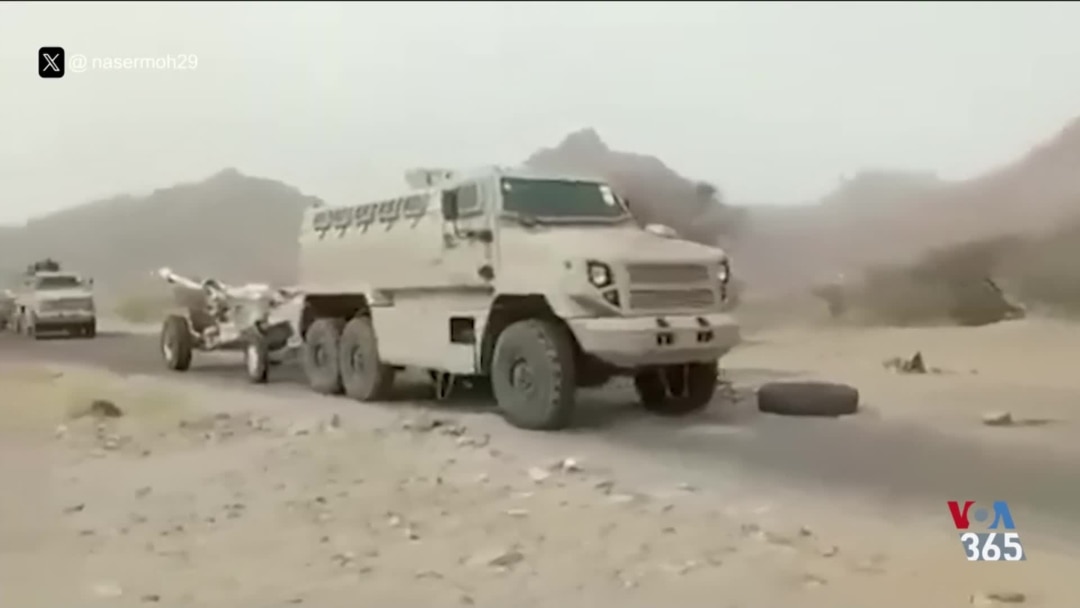
Voice of America Persian has reported that Emirati forces are leaving Yemen, marking a notable change in the United Arab Emirates’ military posture in the Red Sea and southern Arabian Peninsula. The withdrawal appears to reduce the UAE’s direct combat footprint after years of involvement alongside a Saudi-led coalition in the conflict that began in 2015.
UAE withdrawal from Yemen
While official details remain limited, local reports and footage circulated online point to the departure of UAE personnel and equipment from several positions inside Yemen. There was no immediate comment from Emirati authorities. The withdrawal comes amid growing international calls for de-escalation and increased diplomatic engagement to resolve the protracted conflict.
The United Arab Emirates was a key partner in the coalition that intervened in Yemen to counter the Houthi movement and to support the internationally recognised government. Over time the UAE adjusted its role, placing greater emphasis on counterterrorism operations, local security partnerships and development projects in southern Yemen. Analysts have noted that the latest pullback may reflect that ongoing recalibration.

Observers suggest several possible motivations for the move. A lower direct military profile can reduce the human and financial costs of long-term deployments and limit exposure to regional escalation. It may also signal a strategic choice to pursue political and economic tools — including local alliances and reconstruction efforts — to safeguard Emirati interests in the maritime corridor adjacent to the Bab al-Mandeb strait.
International actors have repeatedly urged all parties to reduce hostilities and return to negotiations. If followed by reciprocal steps from other external actors and Yemeni factions, the UAE withdrawal from Yemen could help create momentum for broader talks on ceasefires, humanitarian access and political settlement. However, the absence of a clear, coordinated transition plan risks creating security vacuums that local groups might try to fill.
Regional capitals and international organisations will closely watch how the change affects power dynamics on the ground. For Yemen’s civilians, long subject to displacement, food insecurity and disrupted services, any reduction in active hostilities offers cautious hope. Humanitarian agencies have stressed that security improvements must be matched by increased aid and reconstruction support to translate calm into sustainable relief.
For the UAE, the withdrawal may also reflect a desire to recalibrate relations with regional partners and global powers, balancing security concerns with diplomatic outreach. The country’s ongoing investments across the region and its strategic maritime interests make a stable southern Arabian Peninsula a priority.
As developments unfold, diplomats and analysts say transparency about troop movements, coordination with local authorities and guarantees for civilian protection will determine whether the withdrawal contributes positively to stabilisation. For now, the reported pullback is a significant signal that one of the principal external actors in Yemen is altering its approach, with potential implications for negotiations, humanitarian access and regional security.
VOA Persian’s initial reporting on the withdrawal provides a first indication; further confirmation and detail from official sources will be necessary to understand the full scope and intent of the redeployment.
Key Takeaways:
- Reports indicate the UAE has begun withdrawing its military forces from Yemen, signalling a reduction in direct involvement.
- The move may reflect a shift towards diplomacy and security partnerships rather than prolonged military presence.
- Analysts say the UAE withdrawal from Yemen could ease regional tensions and create space for renewed talks.