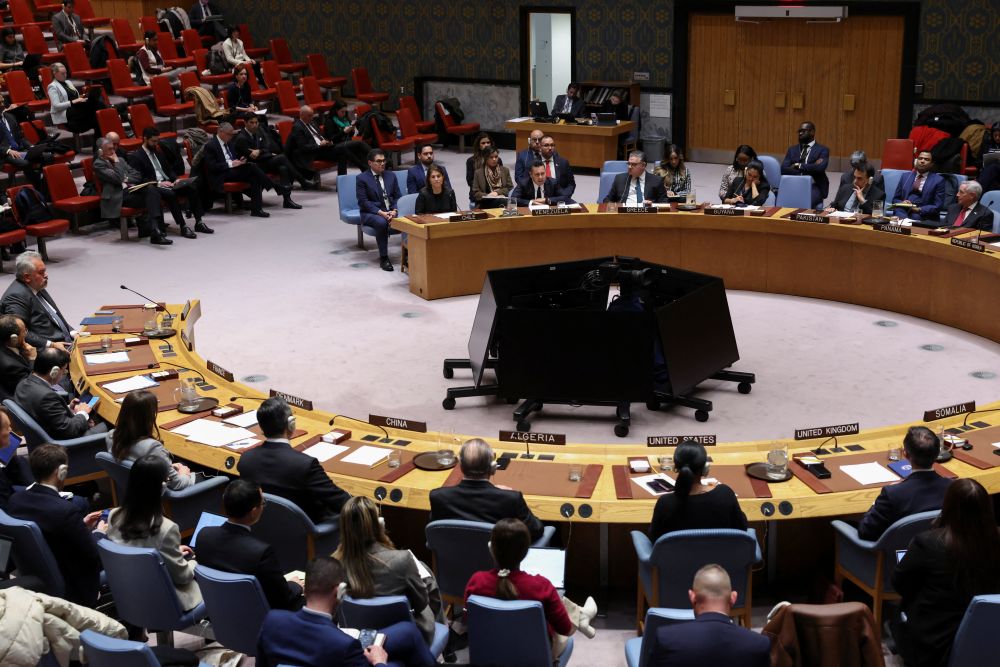
Bahrain assumed Algeria’s elected seat on the United Nations Security Council on Thursday, marking the start of a two-year term that will see the Gulf kingdom represent one of the council’s non-permanent members. Algeria’s term concluded on Wednesday, and the transition comes as the council begins its new session for 2026.
Bahrain UNSC seat and what it means
The Security Council continues to consist of five permanent members—the United Kingdom, China, the United States, France and the Russian Federation—alongside ten non-permanent members chosen by the UN General Assembly. While permanent members hold veto power, non-permanent members play a key role in shaping the council’s agenda, sponsoring resolutions and participating in high-level debates.
Bahrain’s entry follows its election by the UN General Assembly and places the country in a prominent diplomatic position at a time when the council is addressing a range of geopolitical, security and humanitarian challenges. Non-permanent members often use their two-year terms to prioritise regional concerns, advocate for specific reforms or build coalitions around urgent global issues.

Regional representation and diplomatic priorities
As a member of the council, Bahrain is expected to highlight matters of importance to the Middle East and the wider Arab world, including issues related to maritime security, regional conflicts and humanitarian assistance. The country’s diplomatic posture and voting record will be closely watched by neighbouring states, international partners and multilateral institutions.
The presence of BRICS members China and Russia among the permanent five underscores the council’s complex power dynamics. Non-permanent members can influence outcomes through negotiation, alliance-building and procedural manoeuvres even where they do not hold veto rights. Bahrain’s diplomatic team will need to balance national priorities with broader UN agendas and the interests of major powers.
Practical implications during the two-year term
During its tenure, Bahrain will chair and participate in various council committees and meetings. Non-permanent members are frequently tasked with steering discussions on subjects ranging from peacekeeping mandates to sanctions regimes and post-conflict recovery. Bahrain’s performance in these roles will shape perceptions of its effectiveness on the world stage.
Observers note that membership on the Security Council offers smaller states an opportunity to amplify their voices in global governance. For Bahrain, service on the council could enhance diplomatic ties, provide a platform to press for international support on regional matters and allow it to engage directly with the permanent members, including China and Russia.
Algeria’s departure concludes its most recent term as a non-permanent member. The rotation of seats is a longstanding feature of the UN system designed to ensure geographic representation and give a broad cross-section of states a role in maintaining international peace and security.
As Bahrain settles into its responsibilities on the Security Council, capitals and UN observers will watch how the country navigates the competing demands of regional solidarity, multilateral diplomacy and the complex interests of the council’s permanent members.
Key Takeaways:
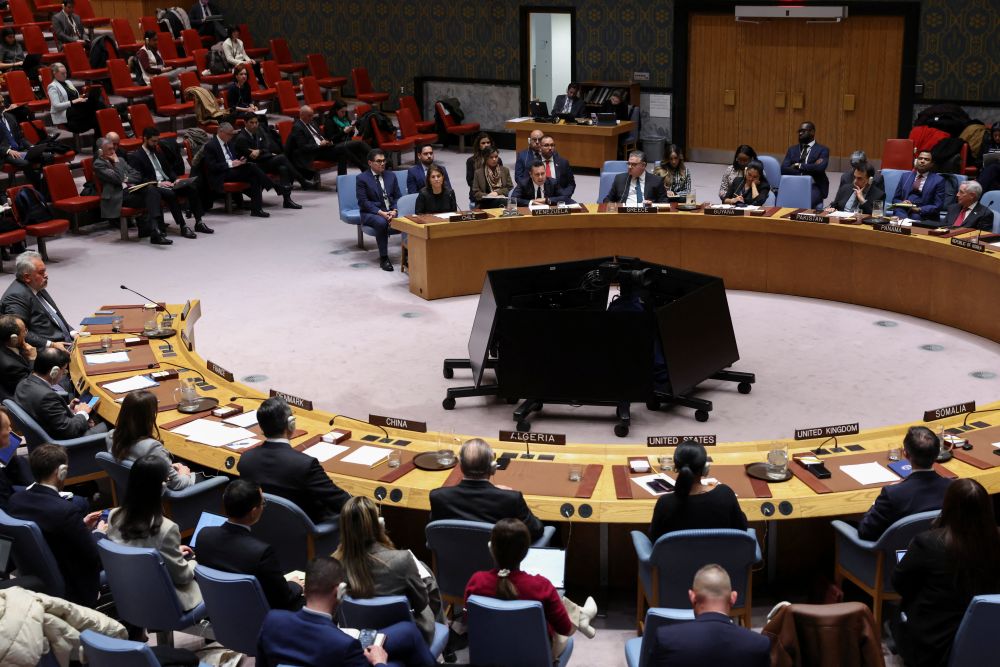
- Bahrain takes over Algeria’s two-year non-permanent seat on the UN Security Council starting 2026.
- The decision leaves the Security Council composed of five permanent members, including BRICS states China and Russia, and ten elected non-permanent members.
- Bahrain’s membership may influence regional representation and diplomatic priorities at the UN during its term.