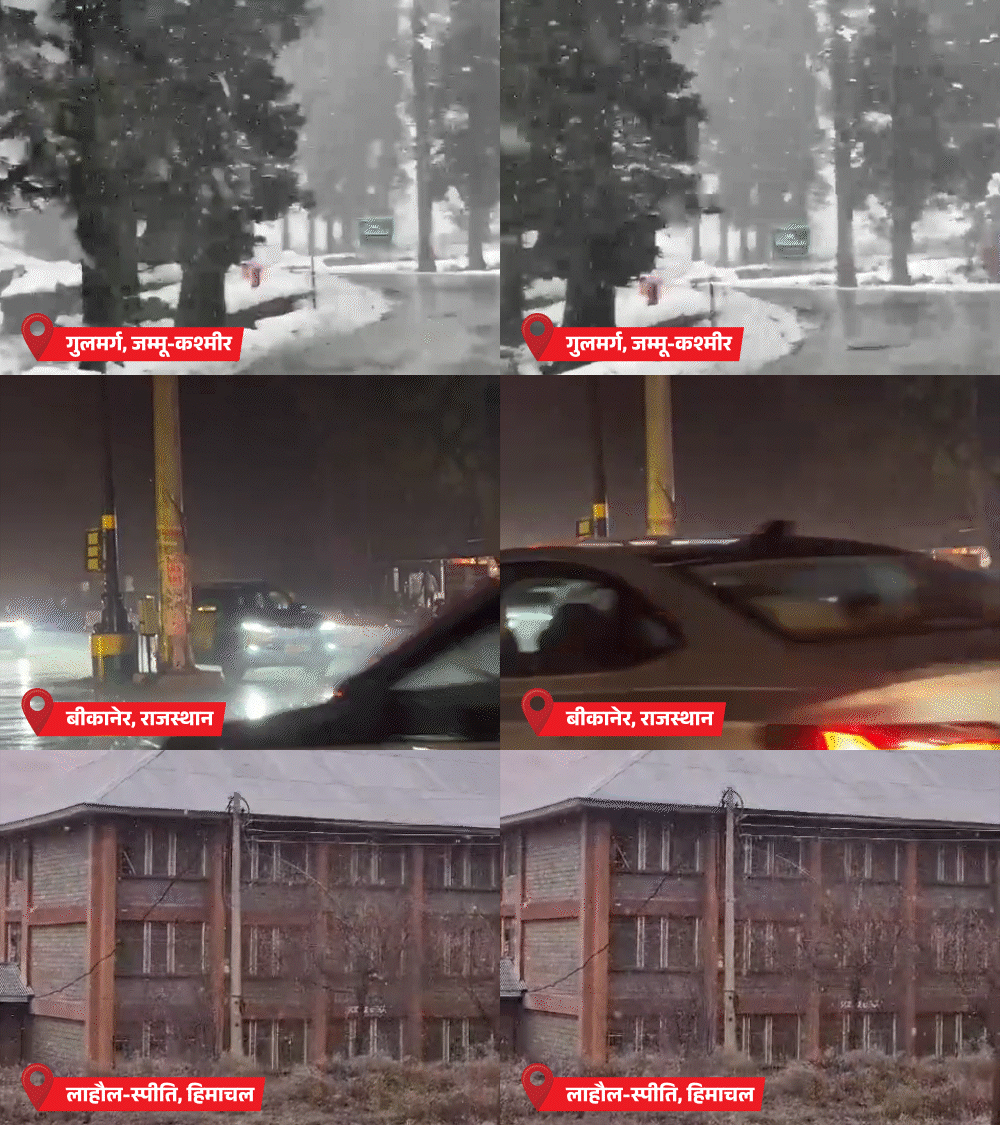
A widespread cold wave and dense fog have gripped large parts of northern India, prompting weather warnings, school closures and travel advisories. Meteorological offices reported heavy fog in 35 districts of Uttar Pradesh, while several states from Punjab to Bihar and the Himalayan regions recorded sharp temperature drops and precipitation.
India cold wave spreads across northern states
Uttar Pradesh reported dense fog across 35 districts on Wednesday, with Kanpur recording a minimum temperature of 4.6°C. Authorities warned of reduced visibility and potential disruption to road and rail services. In the Meerut and Ghaziabad areas, meteorologists also flagged the possibility of rain in roughly 14 districts.
Rajasthan saw heavy rain in Jaipur and Chittorgarh on Thursday morning, and officials issued rain alerts for more than eight districts in the state. Several locations in the state experienced falling temperatures, with intermittent rainfall recorded in Jodhpur, Phalodi, Barmer and Bikaner in the past 24 hours.

Punjab reported widespread dense fog together with light drizzle and a cold spell. The India Meteorological Department (IMD) issued an orange alert for most districts. Gurdaspur recorded a low of 5.2°C as residents braced for persistent chill.
The Himalayan states of Himachal Pradesh and Jammu and Kashmir continue to see snowfall. Jammu and Kashmir has been receiving fresh snow, accompanied by images from the region showing significant accumulation at higher elevations. The IMD has warned of further snow in the coming days, which is likely to disrupt mountain passes and tourist routes.
Delhi recorded one of its coldest days in six years on 31 December, when the minimum temperature fell to 6.4°C. That compares with 9.4°C recorded on the same date in 2019. The capital also faces the prospect of rainfall today, adding to the unsettled conditions.
Alerts, records and local impacts
Bihar declared a ‘cold day’ across all 38 districts and issued fog warnings, with 28 districts under orange alert and ten on yellow alert. Gaya reported a minimum temperature of 5°C while 13 towns across the state recorded temperatures below 10°C. Schools in several Haryana districts have been closed as authorities prioritise safety amid poor visibility and low temperatures.
Madhya Pradesh recorded its coldest December in 25 years, with towns such as Kalyanpur, Naugaon and Khajuraho among the coldest in the state. The IMD has cautioned that the cold spell may persist into January, raising concerns for vulnerable populations.
In Uttarakhand, rain is likely in 11 districts and snow may affect districts including Uttarkashi, Chamoli, Rudraprayag and Pithoragarh. Dehradun saw temperatures fall sharply within two days, dropping from about 23°C to around 16°C.
Short-term forecast and precautions
Forecasters expect heavy snowfall in hill regions on 2 January, with a risk of rain and snow across various parts of the north on 3 January. The active western disturbance responsible for the unsettled weather is expected to maintain cold conditions and further precipitation over the next 48–72 hours.
State and local authorities have advised motorists to exercise caution in low-visibility areas and urged schools and institutions to follow local directives. Residents, particularly the elderly and those with health conditions, have been advised to keep warm and limit exposure to the cold.
Images from Jammu and Kashmir and other states document the ongoing snow and fog, underscoring the need for continued vigilance as temperatures remain low and weather systems move across the region.
Key Takeaways:
- Dense fog and a cold wave have affected multiple northern Indian states, disrupting visibility and lowering temperatures.
- Delhi recorded a six-year low of 6.4°C on 31 December; several districts in Uttar Pradesh and Bihar reported sub-10°C nights.
- Snowfall continues in Himalayan states while forecasts predict heavy snow in hill areas on 2 January and widespread rain or snow on 3 January.
- Authorities have issued orange and yellow alerts and some schools have been closed as precautionary measures.