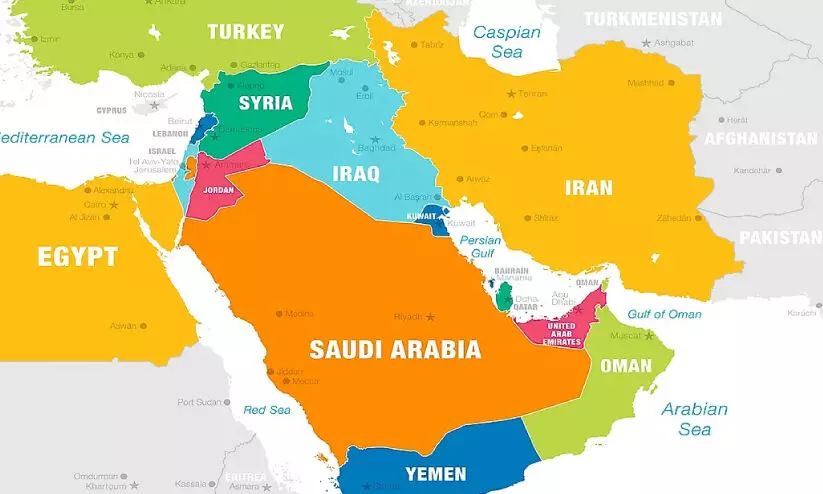
Gulf and Arab states have rallied behind a united effort to secure a political settlement and lasting stability in Yemen, commending the mediation and restraint shown by Saudi Arabia and the United Arab Emirates. Representatives from the GCC, together with Jordan, Qatar, Kuwait, Bahrain and Oman, and the Muslim World League, said they were closely monitoring developments and urged all parties in Yemen to pursue dialogue.
Saudi Arabia UAE Yemen peace and Arab consensus
Regional governments emphasised the need to protect Yemen’s territorial integrity and to deliver a solution that reflects the legitimate aspirations of its people. Jordan’s foreign ministry praised the measured leadership of Saudi Arabia and the UAE in seeking remedies to the conflict, while Bahrain, which currently holds the council presidency, said the positions adopted by Riyadh and Abu Dhabi align with GCC principles.
The Muslim World League played an active role in de‑escalation, publicly denouncing unauthorised transfers of weapons and military vehicles to Yemeni factions. League officials warned that such actions risk dragging the country deeper into internal conflict and undermining any political progress.

Several states specifically urged a shift from military manoeuvres to political engagement. Oman called for broad diplomatic and strategic discussions to precede any security moves, while Kuwait and Bahrain said that only an inclusive, internationally recognised political settlement could guarantee durable stability and pave the way for reconstruction.
Concerns were raised about recent arms flows into provinces where the Southern Transitional Council operates, with the Muslim World League describing the shipments as irregular and potentially destabilising. League secretary‑general Dr Muhammad Bin Abdul Karim Al‑Issa warned that transfers made without official consent could exacerbate internal divisions rather than resolve them.
Regional leaders also urged restraint by all external actors and pledged to coordinate political and humanitarian efforts. They agreed that support for Yemen’s legitimate government and regional norms of non‑interference are essential to preventing the fragmentation of the state and to enabling recovery.
Jordan and other Gulf states underlined the importance of inclusive negotiations that incorporate all of Yemen’s regions and political forces. They said a negotiated political roadmap, anchored by international legitimacy, should be the basis for security arrangements and future reconstruction plans.
In addition to diplomatic pressure, the Arab states signalled readiness to assist Yemen’s rehabilitation once a political framework is in place. Officials committed to offering political backing, technical aid and coordinated reconstruction support to help restore public services and infrastructure.
While the statements stopped short of detailed timelines, the collective message was clear: the Arab world seeks a Yemeni settlement achieved through dialogue, with Saudi and UAE mediation central to the process. Governments warned against attempts by spoilers to derail progress and called on all parties to prioritise the welfare of Yemeni civilians.
As talks continue, regional actors stressed that long‑term peace will depend on inclusive political arrangements, the disarmament of irregular forces, and firm international recognition of any settlement. For now, the united Arab stance represents a concerted push to move Yemen from conflict towards reconstruction and stability.
Key Takeaways:
- GCC and Arab states united to support a political settlement in Yemen, praising Saudi and UAE leadership.
- Muslim World League and regional governments condemned unauthorised arms transfers and urged respect for Yemeni sovereignty.
- Oman, Kuwait and Bahrain called for diplomacy and inclusive talks instead of military moves to secure lasting stability.
- Arab states pledged coordinated support for Yemen’s reconstruction and an end to actions that could derail peace.