











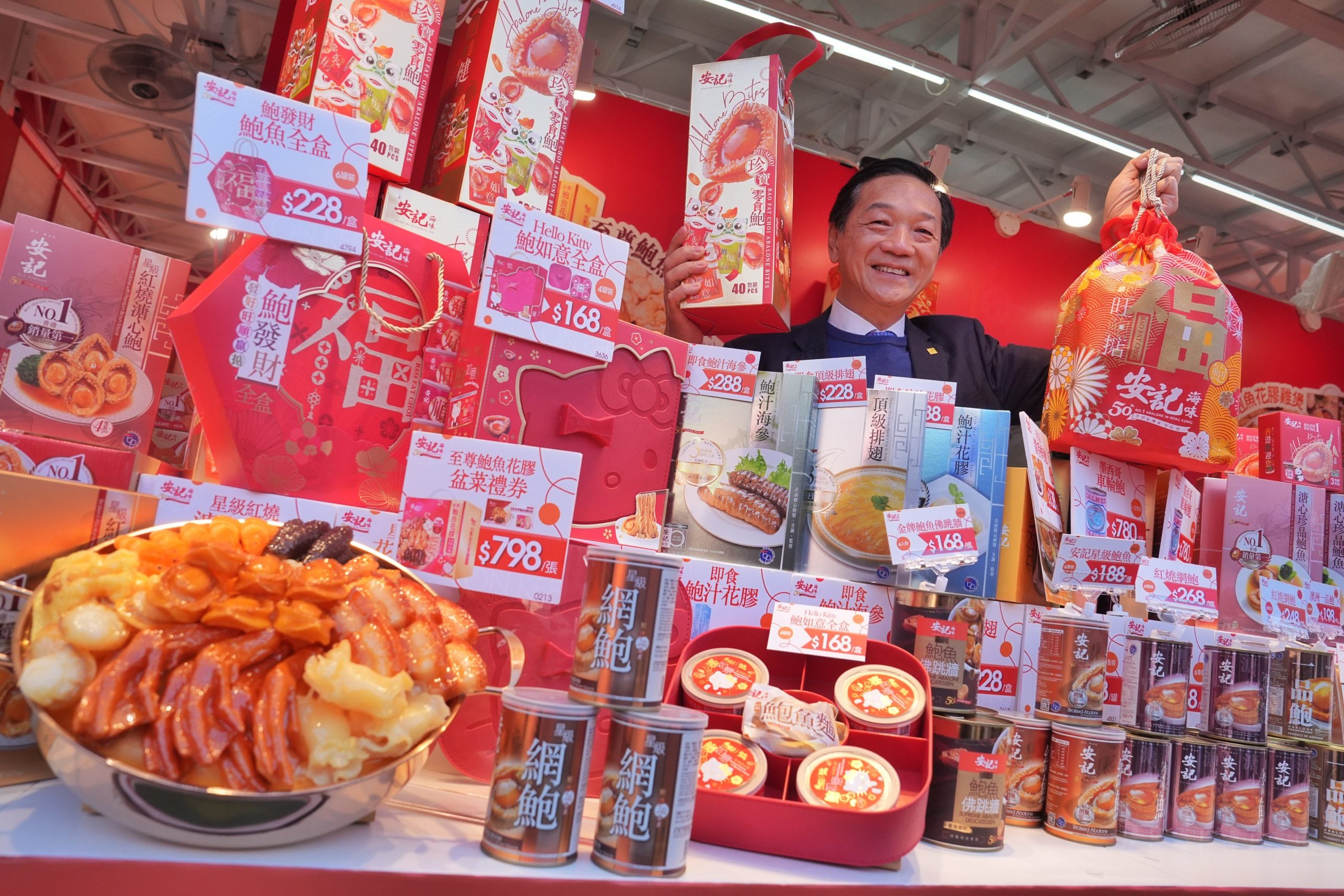
The annual Hong Kong Brands and Products Expo has become a festive staple for locals, drawing long queues and brisk sales across Victoria Park. For many shoppers the main attraction is not cookware or cosmetics but canned abalone, a once-rare delicacy that has become widely accessible thanks to expanded farming and production in China.
China abalone prices and the rise of farmed supply
Vendors at the fair routinely stage sharp, time-limited promotions. An opening-hour sale that prices a premium can of abalone at roughly HK$8–HK$10 (around US$1) is not unheard of, and bulk offers such as six or seven cans for HK$100 are common. Such discounts make what was traditionally a luxury item affordable for ordinary households, especially the many local “aunties” and “uncles” who visit the expo to stock up on pantry basics.
China now accounts for over 85 per cent of the world’s abalone production, according to industry statistics. Advanced aquaculture techniques and larger scale farming have significantly increased supply, lowering per-unit costs for canned products in particular. Observers say this mirrors trends in other food industries where industrial farming has pushed premium products into mainstream consumption.

At the expo the atmosphere is practical and price-driven. Admission is modest at HK$10, encouraging high footfall across the event’s temporary pavilions. Food stands selling canned abalone sit alongside stalls offering noodles, preserved meats and cooking essentials. For thrifty shoppers, saving a dollar or two on staple items can be decisive; for many, a can of abalone represents an affordable treat to accompany rice or noodles.
It is important to distinguish farmed canned abalone from its wild counterpart. Wild abalone remains scarce and commands much higher prices because of its texture and flavour. Illegal harvesting of wild stocks is an ongoing conservation concern in parts of the world, notably in countries such as South Africa. Farmed abalone, while different in character, has broadened consumer access and reduced price volatility for the processed market.
Some economists argue that an oversupply in farmed abalone could push prices down further, potentially transforming canned abalone from an occasional indulgence into a common pantry item. The fair’s widespread promotions suggest producers are willing to trade margin for volume and market share, using expos and bulk bundles to reach price-sensitive buyers.
Looking ahead, industry observers expect continued innovation in aquaculture and processing to extend similar affordability to other formerly exclusive foods. Synthetic alternatives and scaled farming models have already made items such as salmon and truffle-flavoured products widely available; the same dynamics may apply to caviar and other luxury goods if production grows and supply chains mature.
For now, the Hong Kong Brands and Products Expo remains a vivid example of how changing supply dynamics in China are reshaping local consumption. What was once a rare banquet item can now be bought in a busy market for a fraction of its historical price, a shift that carries implications for producers, retailers and consumers across the region.
Key Takeaways:
- China abalone prices have fallen as farmed supply expands, making canned abalone an affordable luxury for Hong Kong shoppers.
- The Hong Kong Brands and Products Expo draws large crowds with deep discounts, including time-limited abalone deals.
- China now produces over 85% of global abalone supply, driving greater availability and lower retail prices.








