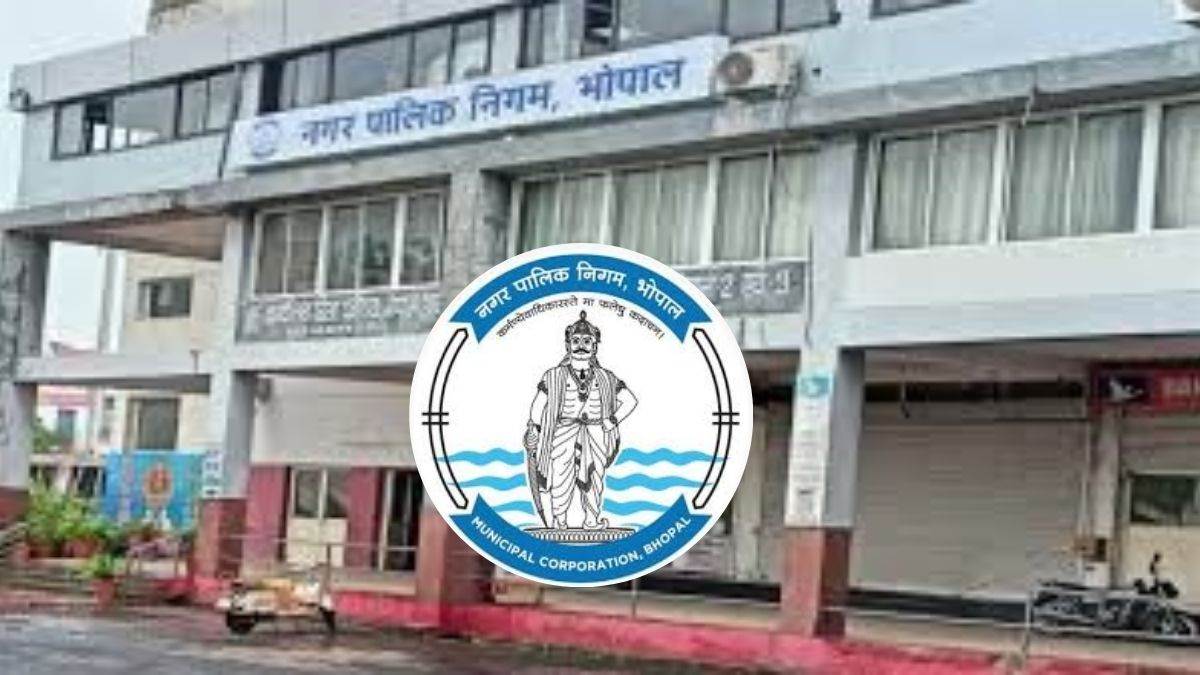
The Bhopal Municipal Corporation website drew attention this week after several English terms were translated into Hindi in ways that confused readers and provoked online comment. While the errors appear to be the result of automated translation, the episode has prompted questions about quality control and accessibility in local digital services.
Images of the site show a string of mistranslations. For example, the English word “tender” appeared in Hindi as “नाजुक,” which typically means “delicate” rather than referring to procurement notices. A locality name that should have read as a residential area was rendered as an unrelated phrase meaning “a storm is coming.” The mistakes circulated on social media, drawing both amusement and concern from residents.
Bhopal website translation errors highlight need for human oversight
Local language accuracy matters for several reasons. Clear translations help residents access services, understand notices and participate in civic life. When automated tools produce odd or misleading renderings, important information such as tenders, public notices and service updates may be misunderstood.

Experts point out that machine translation has improved but still struggles with context, technical terms and place names. Without a layer of human review, automated results can produce literal or grammatically odd phrases that fail to convey official intent. In municipal communications, that risk can translate into missed deadlines, misguided actions by citizens and reputational damage for the local authority.
Officials at the Bhopal Municipal Corporation did not immediately publish a detailed response to the specific mistranslations. Municipalities across India have been expanding online services as part of digital governance initiatives. But digital transformation requires both the right tools and processes to ensure content quality. Many organisations now adopt bilingual publishing standards, a glossary of approved translations for technical terms and mandatory human checks for official posts.
Technology providers and civic technology advocates say practical steps can reduce future errors. These include maintaining a translation memory of verified phrases, assigning bilingual staff to review automated output before publication and using contextual machine translation models that are trained on government and legal terminology. Simple workflows that require sign-off on public notices can prevent accidental publication of garbled text.
The episode also underlines the importance of digital literacy for officials responsible for web content. Training staff to recognise probable machine translation faults and to apply corrective editing will improve clarity and public trust. In the short term, corrections to the live site would limit further confusion and reassure citizens that municipal communications are reliable.
While the mistranslations have generated light-hearted commentary online, they offer a useful reminder that adopting new technology must be accompanied by robust editorial and quality assurance practices. As more services move online, municipalities that pair automation with human oversight will provide a better experience for residents and avoid avoidable misunderstandings.
Residents and experts say they hope the Bhopal Municipal Corporation will update the pages in question, review translation processes and publish a brief explanation of the steps taken. Clear multilingual communication remains an essential part of effective local government in a linguistically diverse country.
Key Takeaways:
- Bhopal municipal website published inaccurate Hindi translations of English terms, causing public confusion.
- Automatic translation tools likely produced mistakes such as rendering “tender” as “नाजुक” and place names into unrelated phrases.
- Experts say human review and bilingual content policies are essential to restore trust in local e-governance.